I brewed my first batch on a Mr. Beer kit in 2014, on a dorm-room hot plate, and I scorched it so badly that I invented a style I still call burnt adjunct lager. Twelve years and 50-plus logged batches later, the question I bring to any starter kit has not changed: what does the box actually hand you on brew day, and what will it cost you three batches from now? That is the frame for this comparison of home brewing starter kits. Three of the four products below are kits. The fourth is a pack of campden tablets, and I am including it on purpose, because sanitation and packaging are where first batches actually go wrong.
Related: How to Read a Hydrometer Without Lying to Yourself
For most first-time brewers, the Northern Brewer 5-gallon starter set is the best value here, because the equipment list is honest and the recipe kit is fresh. If your kitchen is closet-sized, the 1-gallon Little Demon kit makes more sense. If you want the shortest possible brew day, Mr. Beer still delivers that better than anything else in this comparison. The campden tablets are not a kit and never pretend to be; they are a consumable that keeps the rest of your gear honest. Prices move constantly, so check the current Amazon price on each before you commit.
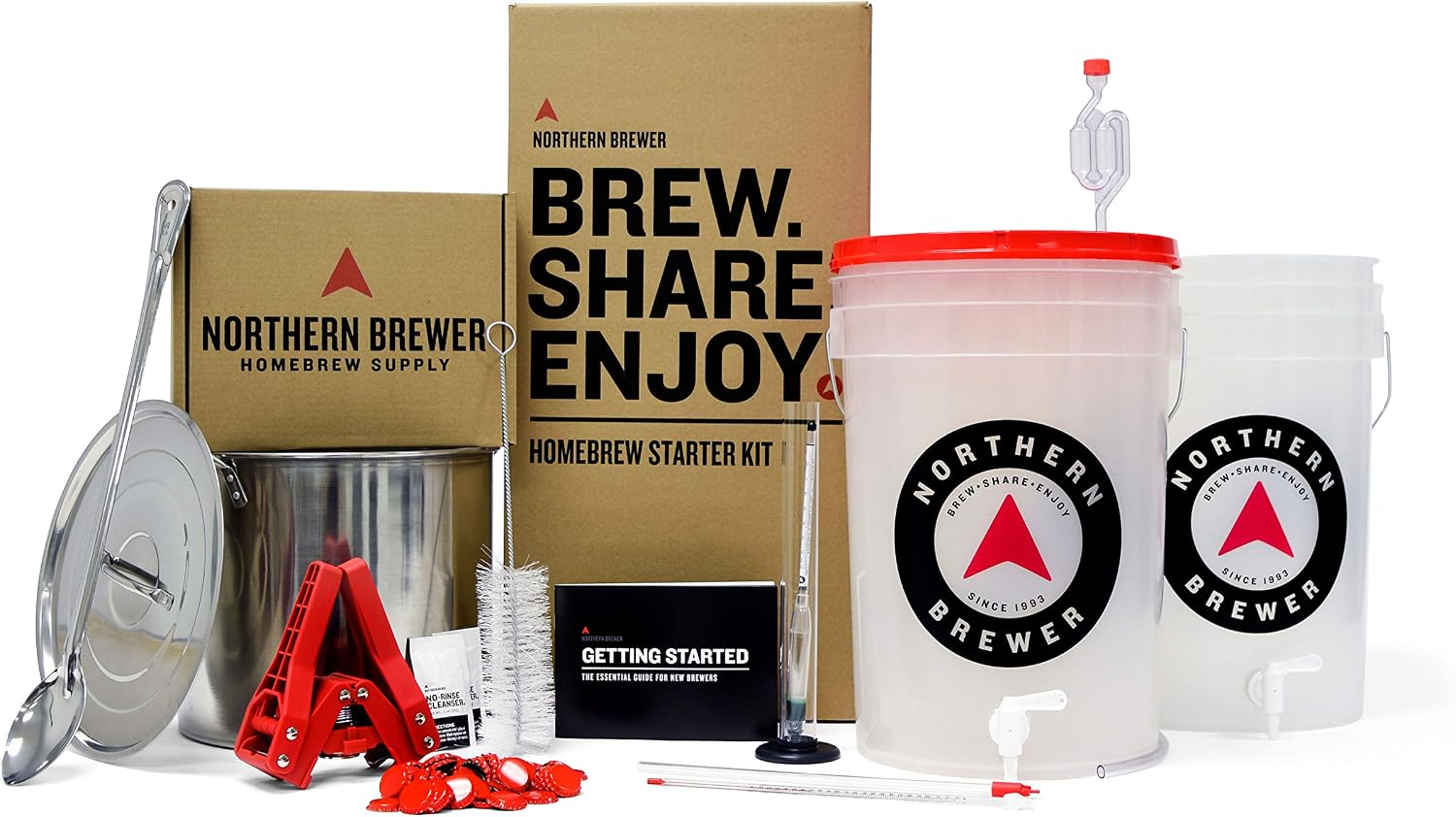
Northern Brewer Brew. Share. Enjoy. HomeBrewing Starter Set (Hank's Hefeweizen)
Full 5-gallon batch, complete equipment list, and a real recipe kit instead of a vague instruction sheet
The fermenter spigot is the first part to fail, so buy a spare on day one
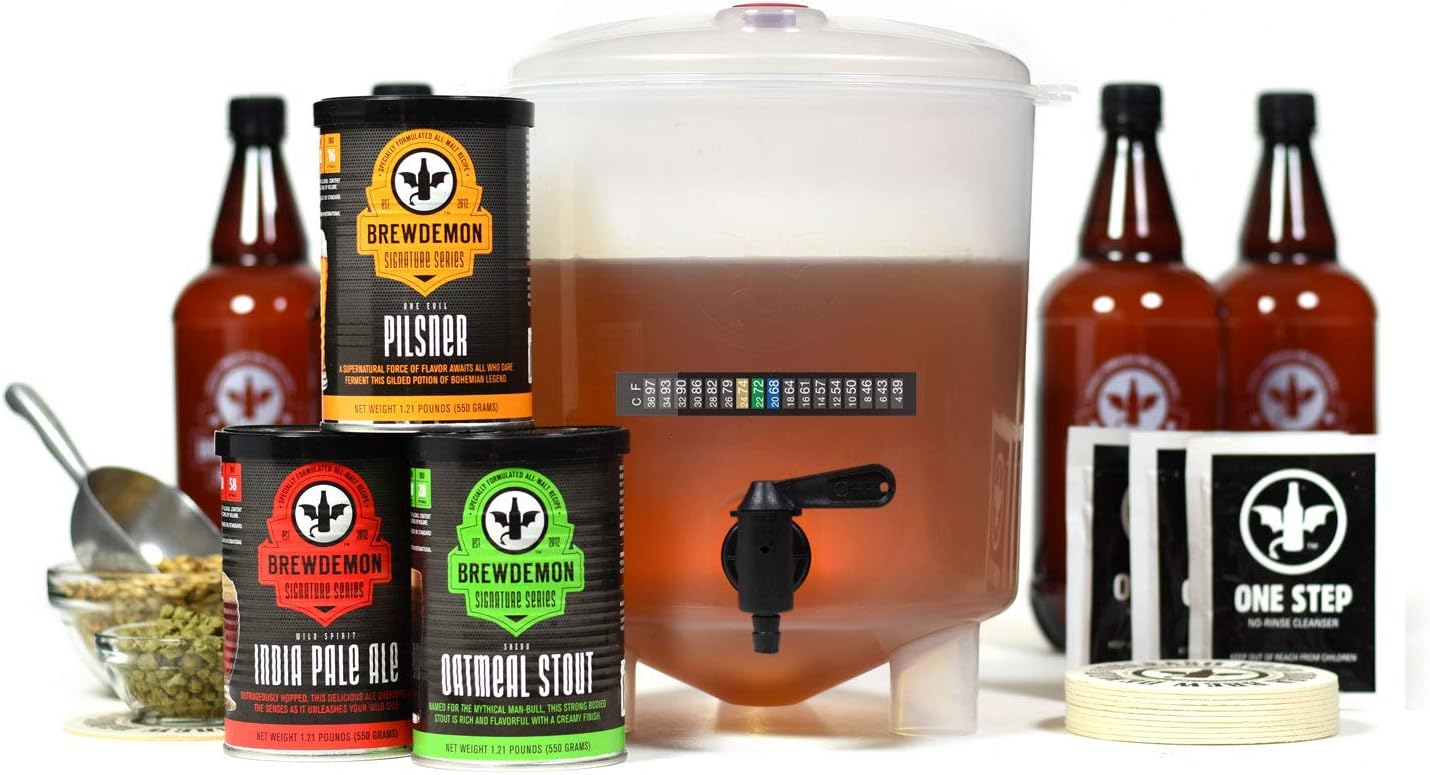
Little Demon Craft Beer Bonus Kit, 1 Gal Conical with Bottles & 3 Recipes
Smallest footprint on this list, three recipes to practice on, bottles included
A gallon is about ten bottles, so you outgrow the volume by batch three
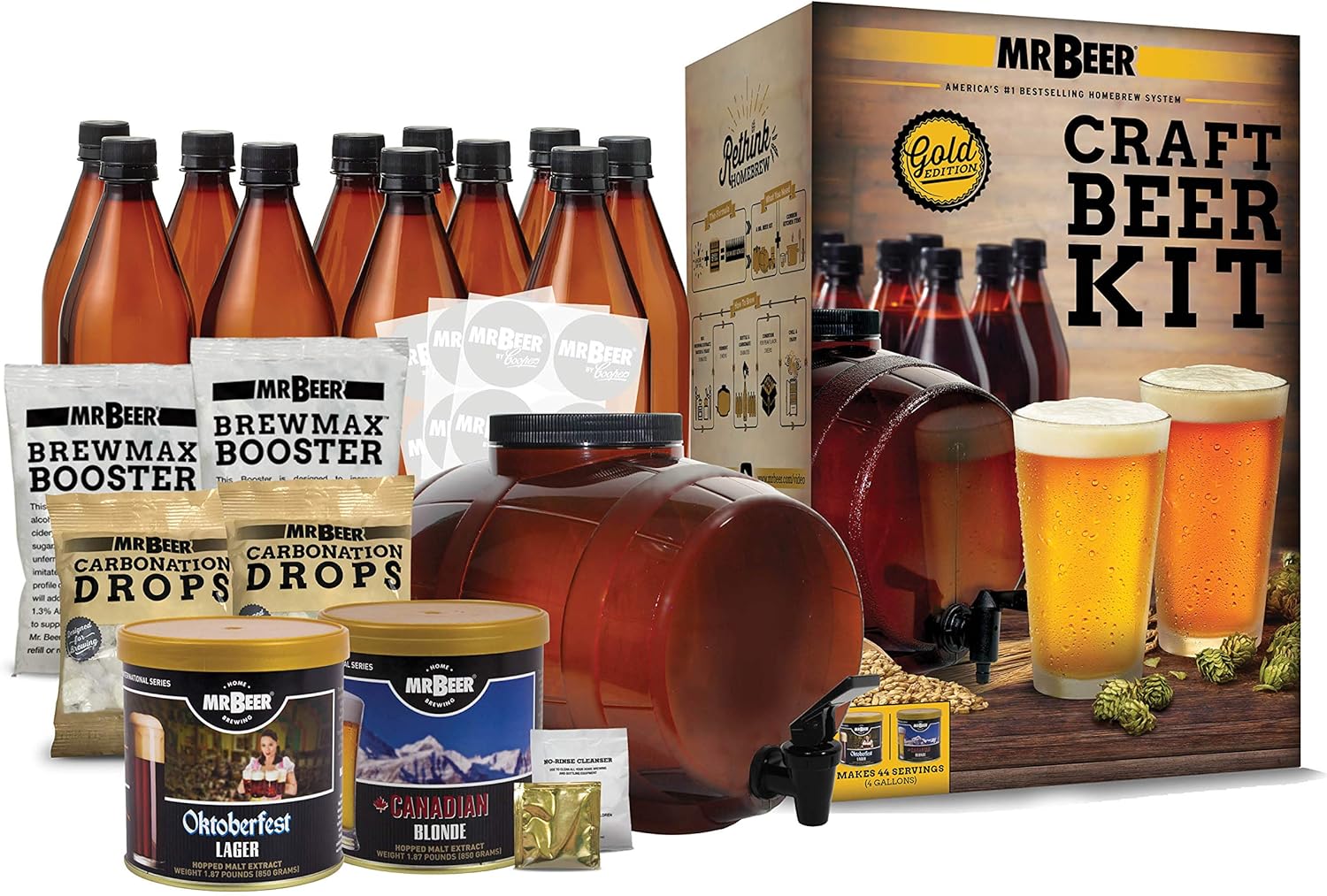
Mr. Beer Craft Beer Making Kit, 4 Gallon Complete DIY Set with Bottles and Refills
Complete set, forgiving process, and the shortest brew day of the four
Drinkable but forgettable beer, and the fermenter gets retired fast
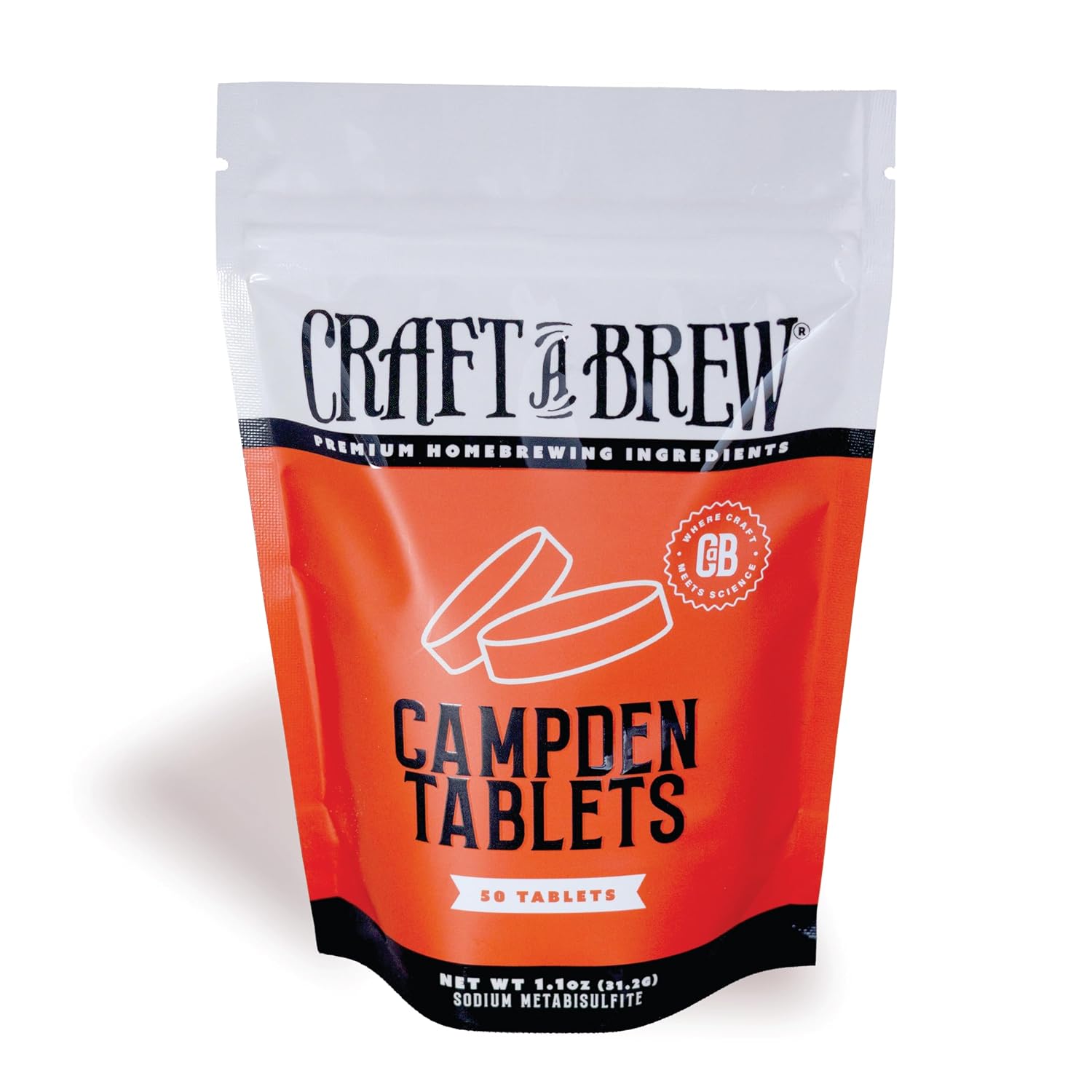
Craft A Brew Campden Tablets, Sodium Metabisulfite Sterilant, 50 Count
50-count sterilant for wine, cider, and fruit batches, and the cheapest layer of insurance you can add
Not a kit, and it makes nothing on its own
Prices and availability were captured from Amazon Creators API and may change.
How I judge a starter kit
I have brewed on a kitchen counter and on a 7-barrel system, and the failure modes are the same at both ends: sanitation, temperature, and measurement. Kits do not fail because the plastic is the wrong shade of blue. They fail because something leaks, something was not cleaned, or nobody wrote down a gravity reading. So I score a kit on what happens at minute 40 of the boil and hour three of bottling, not on how it looks in a listing photo. Six questions cover almost all of it.
- Can you measure gravity with what is in the box? No hydrometer means no OG, no FG, and no attenuation. That is not brewing, that is gambling.
- How much beer does one batch make, and where does it live? Five gallons needs a fermenter, a kettle with headroom, and space for roughly two cases of bottles.
- What fails first? At this price point it is almost always the plastic spigot, then the airlock grommet, then the stick-on thermometer.
- Can you buy replacement parts? A kit with proprietary parts is a kit you throw away when one gasket dies.
- How long is brew day, honestly? A short brew day is a real feature as long as the time was not saved on cleaning.
- What is not in the box? Bottles, sanitizer, a hydrometer, and a kettle are the usual gaps, and they are the difference between brewing this weekend and brewing in two weeks.
The 5-gallon route: Northern Brewer
This is the format I would point a new brewer toward if they have a garage, a basement, or a patient partner. Five gallons is the standard hobby batch, and it is the size every recipe, every bottling bucket, and every keg in this hobby is built around. The Northern Brewer set pairs a full equipment list with a Hank's Hefeweizen recipe kit, and a wheat beer is a smart first recipe: it is meant to be hazy, it does not demand a secondary fermenter, and it drinks well young.
The known weak point on kits in this class is the spigot on the fermenter. It is the part under the most stress and the one nobody thinks about until it drips onto a carpet. My advice is boring and it has saved me two brew days: buy a spare spigot with the kit, and test the one that ships by filling the fermenter with water and letting it sit overnight before any wort goes near it.
You also need to plan for the volume. Five gallons of finished beer is about two cases, which is a lot of bottles to wash, fill, and cap. If you have never bottled before, budget an afternoon for the first one.
Visit on Amazon → and check the current Amazon price, then read the contents list line by line before you buy.
The 1-gallon route: Little Demon
Small batch brewing is the best thing to happen to this hobby, and the Little Demon kit is built around that idea: a 1-gallon conical fermenter, bottles, and three recipes in one box. The conical shape is designed to let trub and yeast settle down into the cone so you can leave them behind at bottling time, which is a genuinely useful piece of geometry for a beginner who has not learned to siphon carefully yet.
Three recipes means three brew days of practice before you spend real money on a bigger system. That matters more than any spec, because the first three batches are where you learn what sanitizing actually feels like, how long chilling takes, and how much of your kitchen gets sticky.
The honest downsides are volume and momentum. A gallon yields roughly ten 12-ounce bottles before you account for trub, so a good batch disappears in a weekend. Small volumes also change temperature faster than a full 5-gallon fermenter, so a cold snap in the garage hits a 1-gallon batch harder. And by batch three, most brewers I know want a bigger fermenter. That is fine. Outgrowing a starter kit is the goal, not a failure.
Visit on Amazon → to check the current Amazon price and confirm what the box includes.
The 4-gallon Mr. Beer route
The Mr. Beer kit is how a huge number of us started, including me, and the listing makes a promise worth taking seriously: a complete set with bottles and refills, brewing in about 30 minutes. That promise is the whole product. It is the shortest path from curious to "I made beer," and the process is forgiving enough that a first-timer with a clean counter and a thermometer can pull it off.
The honest read after you have brewed a few batches: the beer is drinkable and forgettable. Four gallons of a recipe you did not design will not teach you much about recipe formulation, and the plastic fermenter tends to get retired once you upgrade. Mine became a planter for two seasons before it went to the recycling bin.
What I will defend about this kit is the on-ramp. A 30-minute brew day removes every excuse. If the choice is between this kit and no kit, buy this kit.
Visit on Amazon → and check the current Amazon price against the refill cost, because refills are where the money actually goes.
The odd one out: campden tablets
The Craft A Brew campden tablets are sodium metabisulfite, sold as a sterilant for winemaking, fruit wine, and cider, in a 50-count pack. They are not a kit, and anyone who buys them expecting beer is going to be disappointed. They belong in this comparison because sanitation is the cheapest variable you control, and because a pack like this lasts a long time.
If you brew cider or country wine, this is standard equipment. Many brewers also use campden tablets to knock chlorine and chloramine out of municipal tap water before it ever touches the wort, which matters if your water smells like a swimming pool. That is a water chemistry question, and water chemistry is the boring math that makes homebrew taste like a brewery's.
One caution: this is a consumable, not a substitute for a complete cleaning and sanitizing routine. You still scrub, you still rinse, and you still sanitize everything that touches wort after the boil.
Visit on Amazon → to check the current Amazon price and keep a pack in the cupboard.
What breaks first, and what that tells you
Across every kit I have owned or rebuilt, the same three parts fail in the same order. First the spigot, which drips because the plastic body flexes every time you open it. Second the airlock grommet, which hardens and stops sealing. Third the thermometer, which is usually stuck to the side of a bucket and reads the air temperature in your garage rather than the temperature of the fermenting beer.
The fix is not expensive, it is just unglamorous. Buy one spare spigot and one spare airlock with any kit you order. Fill the fermenter with water on day one and let it sit overnight. Tape the thermometer to the side of the fermenter and cover it with insulation so it reads liquid, not air. None of this is fun. All of it prevents the phone call where you tell your partner the closet smells like vinegar.
The hydrometer gap
I cannot tell you from a product listing whether any of these boxes ships with a hydrometer, and neither can you. What I can tell you is to check the contents list before you buy, and if the tool is missing, add one to the cart in the same order. A kit that skips the hydrometer is a kit that leaves you guessing.
Calibrate the thing in distilled water at 60°F before your first brew day, and recheck it before every batch after that. A 0.002 error will quietly ruin your log. Without OG and FG readings you have no attenuation number, no real ABV, and no proof the yeast finished the job. A beer that tastes sweet and stopped bubbling is not a beer that is done. It is a beer you are guessing about.
Who should buy which
Buy the Little Demon 1-gallon kit if you live in an apartment, cook in a small kitchen, and want to test the hobby before you give it any real square footage. Buy the Northern Brewer 5-gallon set if you have a garage, a basement, or a spare closet and you want the standard version of this hobby with a full two cases at the end. Buy the Mr. Beer kit if the thing standing between you and your first batch is time. Buy the campden tablets if you brew cider or fruit wine, or if you want a cheap sanitation and water-treatment layer next to whichever kit you chose.
What I would not do is buy all four at once. One kit, one hydrometer, one spare spigot, and a notebook. That is a complete starting package, and it costs less than the mistakes it prevents.
What I'm testing next
Two pressure fermenters are sitting in my garage right now, and the question I am trying to answer is whether they actually shorten the pipeline from brew day to glass, or whether they just add a new set of seals to fail. I am also still building the survivability score for the next round of gear rankings, weighting how many full brew days a product survives before it leaks, foams over, or quits. If a spigot weeps on batch one, it does not get a second chance.