Brew day is a grocery problem before it is a brewing problem. You can own a dialed-in kettle, a hydrometer you calibrate in distilled water, and a notebook full of recipes, and still watch the cost per bottle climb because the ingredients you bought were the wrong format, the wrong quantity, or the wrong ingredient entirely. Chasing the best affordable beer brewing ingredients is not about finding the cheapest bag on the shelf. It is about paying for the part of the ingredient that actually ends up in the glass and skipping the part that ends up in the trash.
This guide covers five ingredients that show up on almost every homebrew shopping list: base malt, dry lager yeast, priming sugar in two forms, and a sulfite tablet. Each one is compared on the form it ships in, the stated quantity in the package, and the job it does in a batch, not on a marketing adjective. Where a product only fits a narrow kind of brew day, that gets said plainly.
Related: How to Carbonate Homebrew Without a Keg
Quick answer
The Briess 2- Row Brewers Malt 1.8L - 10 lb is the strongest fit for brewers who want the biggest cost-per-batch lever in a single bag because it is a 10-pound sack of base malt at 1.8 Lovibond, and base malt is the largest single ingredient in any grain bill. Choose Corn Sugar (Dextrose) priming sugar for beer brewing 4 Pounds instead when packaging day is a whole-batch bottling run and you would rather prime everything in one measured addition.
What affordable beer brewing ingredients are worth comparing
A homebrew recipe is short, and that is exactly why the format of each line matters. A handful of slots decide what a batch costs and what it tastes like, and each one fails differently when you buy it badly.
Base malt is the first slot and the biggest. A 2-row brewers malt at 1.8 Lovibond is the pale workhorse that supplies most of a recipe's fermentables, which means it is also the line item that scales with batch size. Buying it in a sealed 10-pound quantity is a different proposition from buying specialty grains by the ounce, and stale base malt is the most expensive mistake in the hobby because it ruins a whole batch quietly.
Dry yeast is the second slot, and it is sold by weight against a stated pitch volume. The Fermentis listing states 11.5 grams per pack for 10 to 15 liters, which is a number you can do arithmetic with before you buy. A strain that needs no starter is worth real money to a brewer without a stir plate, but only if you buy enough packs for your actual batch size.
Priming sugar comes in two formats that solve two different problems. Carbonation drops are pre-measured per bottle, which removes the measurement error that produces one flat bottle and one gusher in the same six-pack. Bulk dextrose is one measured addition for the entire batch, and a 4-pound bag covers many bottling days. Neither is objectively better; they match different bottling habits.
Sulfite tablets are a volume-dose ingredient. Sodium metabisulfite is the compound homebrewers commonly use to knock chlorine and chloramine out of brewing water, and it is also the tablet winemakers use as a sterilant. The container count is what determines cost per use, so the count matters as much as the tablet.
The pattern across all four is the same. You are buying a measured quantity of a specific thing, and the package tells you what that quantity is. An ingredient that hides the number is not a bargain at any price.
Affordable beer brewing ingredients worth comparing
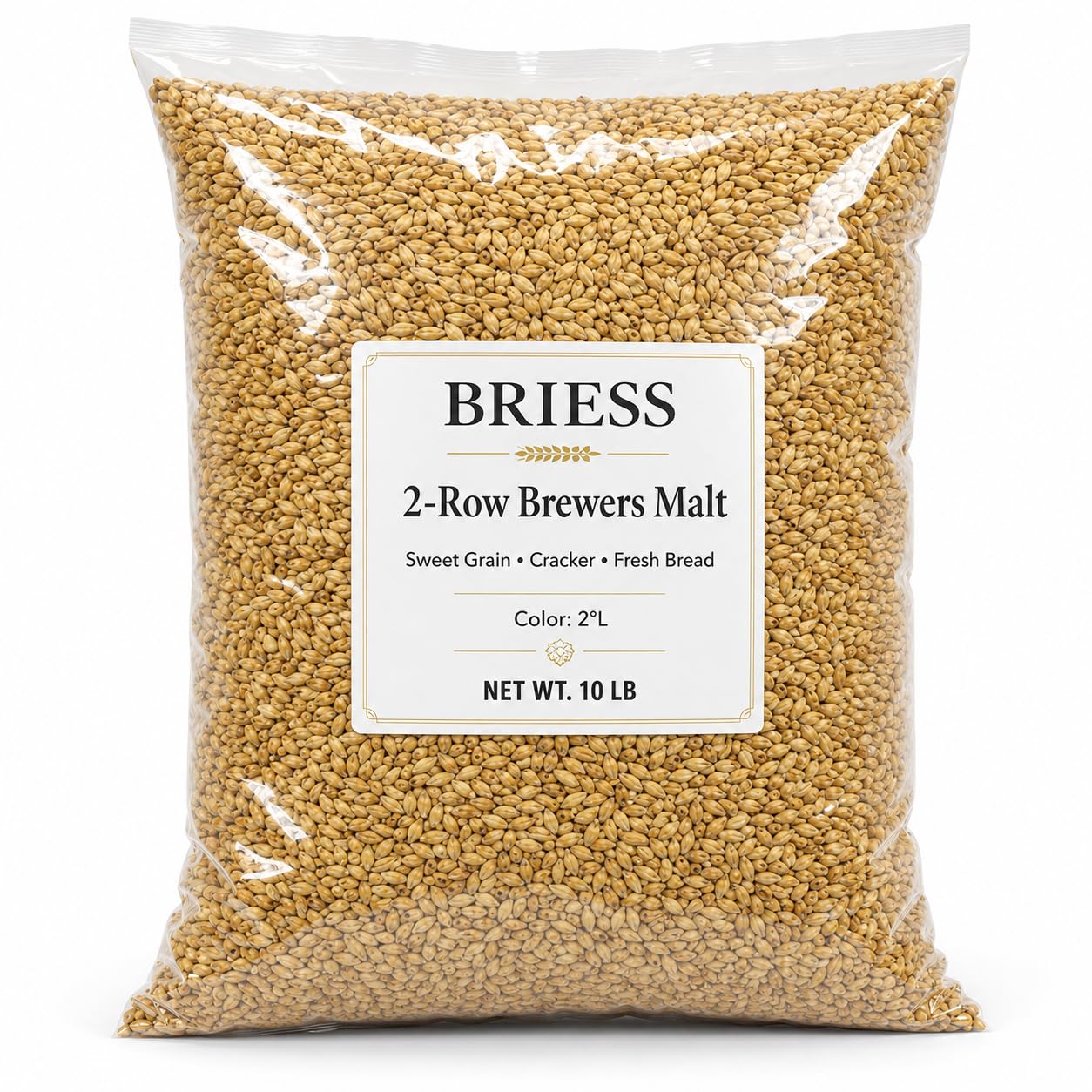
Briess 2- Row Brewers Malt 1.8L - 10 lb
A 10-pound bag of 2-row brewers malt at 1.8 Lovibond, the pale base grain most grain bills are built on. Buying base malt in pounds rather than ounces is the biggest single lever on cost per batch.
Visit on Amazon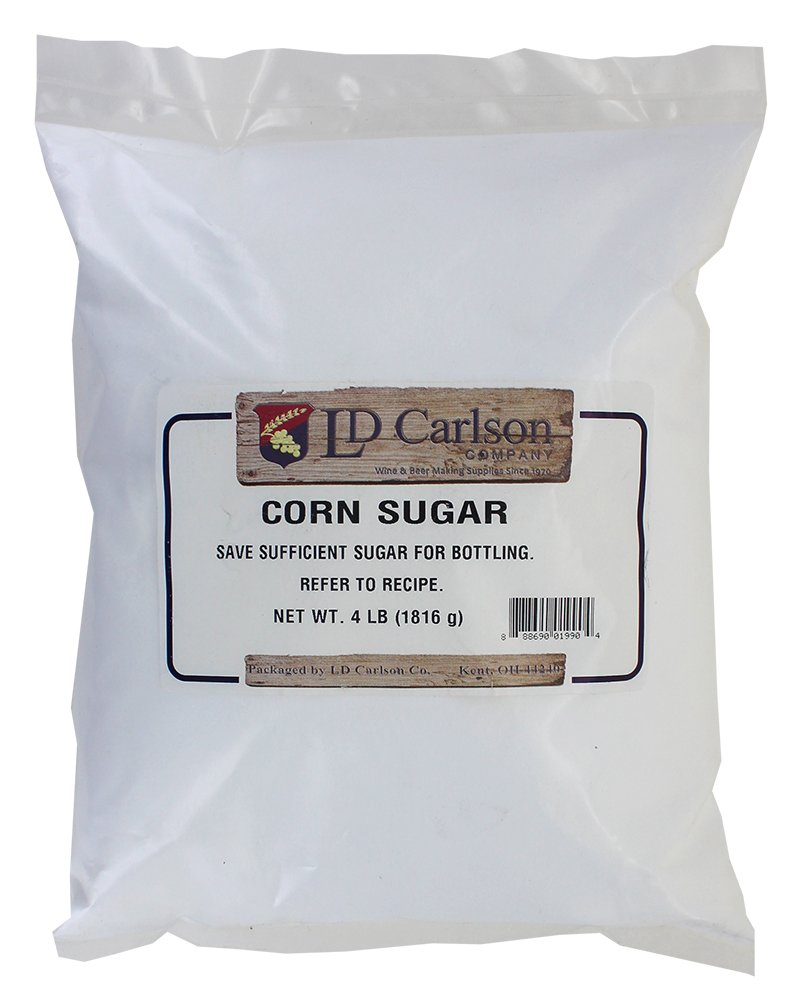
Corn Sugar (Dextrose) priming sugar for beer brewing 4 Pounds
Four pounds of dextrose sold specifically as priming sugar. The bulk format suits batch priming, where one measured addition carbonates the whole run instead of every bottle individually.
Visit on Amazon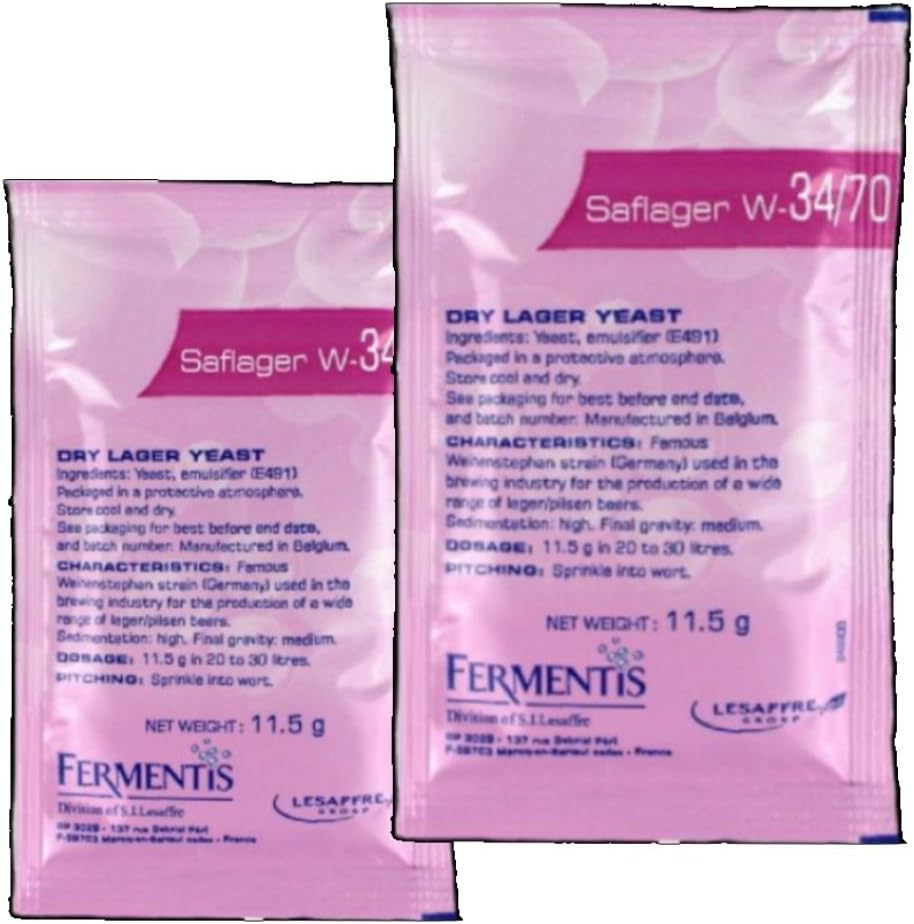
2x Fermentis Saflager W34/70 Beer Yeast lager and pilsner ales 11.5g 10-15L
Two 11.5 gram packs of dry lager yeast, stated on the listing at 10 to 15 liters per pack. Dry format means no starter and no viability guesswork, and the two-pack size matches a full batch.
Visit on Amazon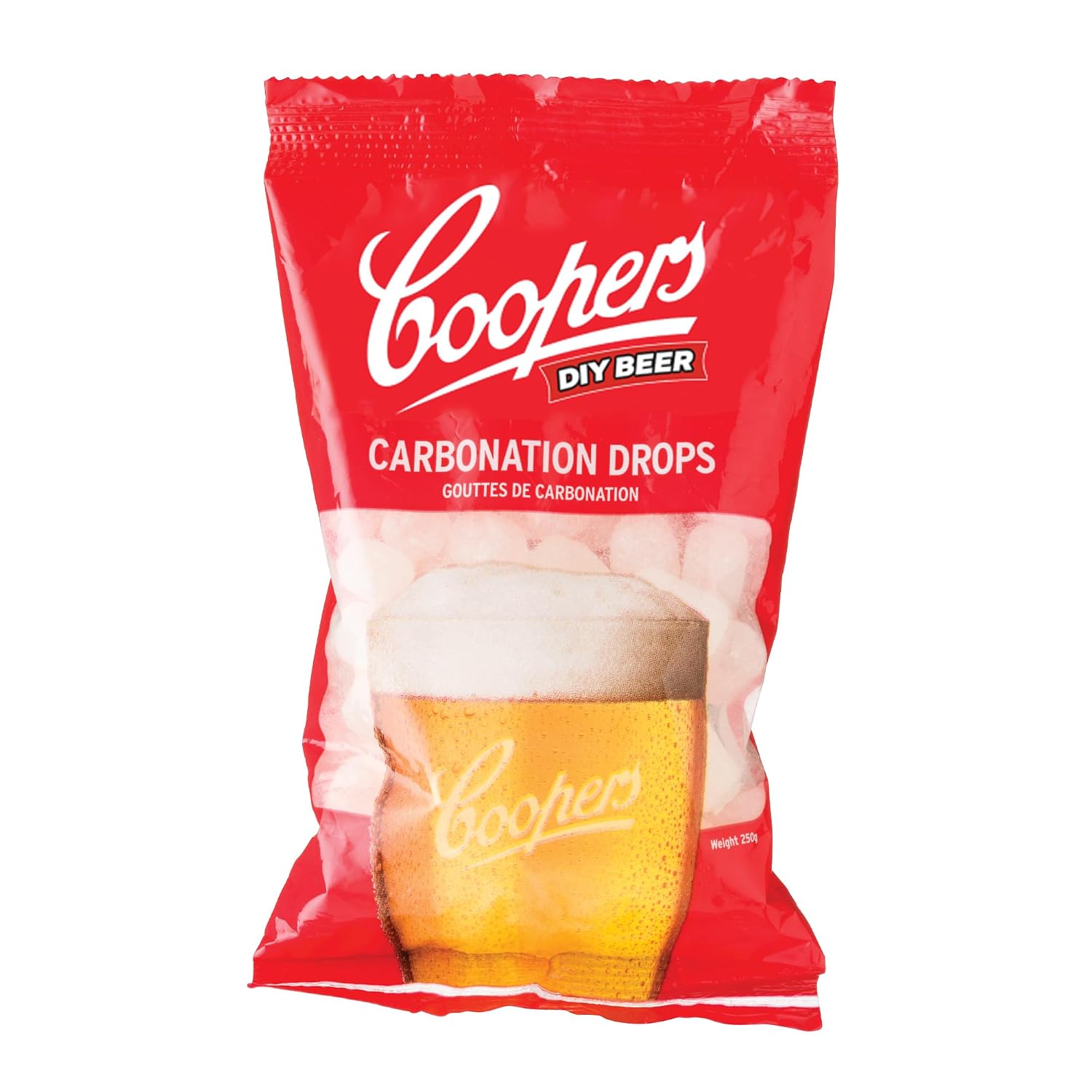
Coopers - 07-IZ3Z-LI40 DIY Home Brewing Carbonation Drops
Pre-measured carbonation drops for bottle priming. No scale, no bottling bucket, and no chance of uneven sugar across a batch, which is the usual cause of mixed carbonation in a six-pack.
Visit on Amazon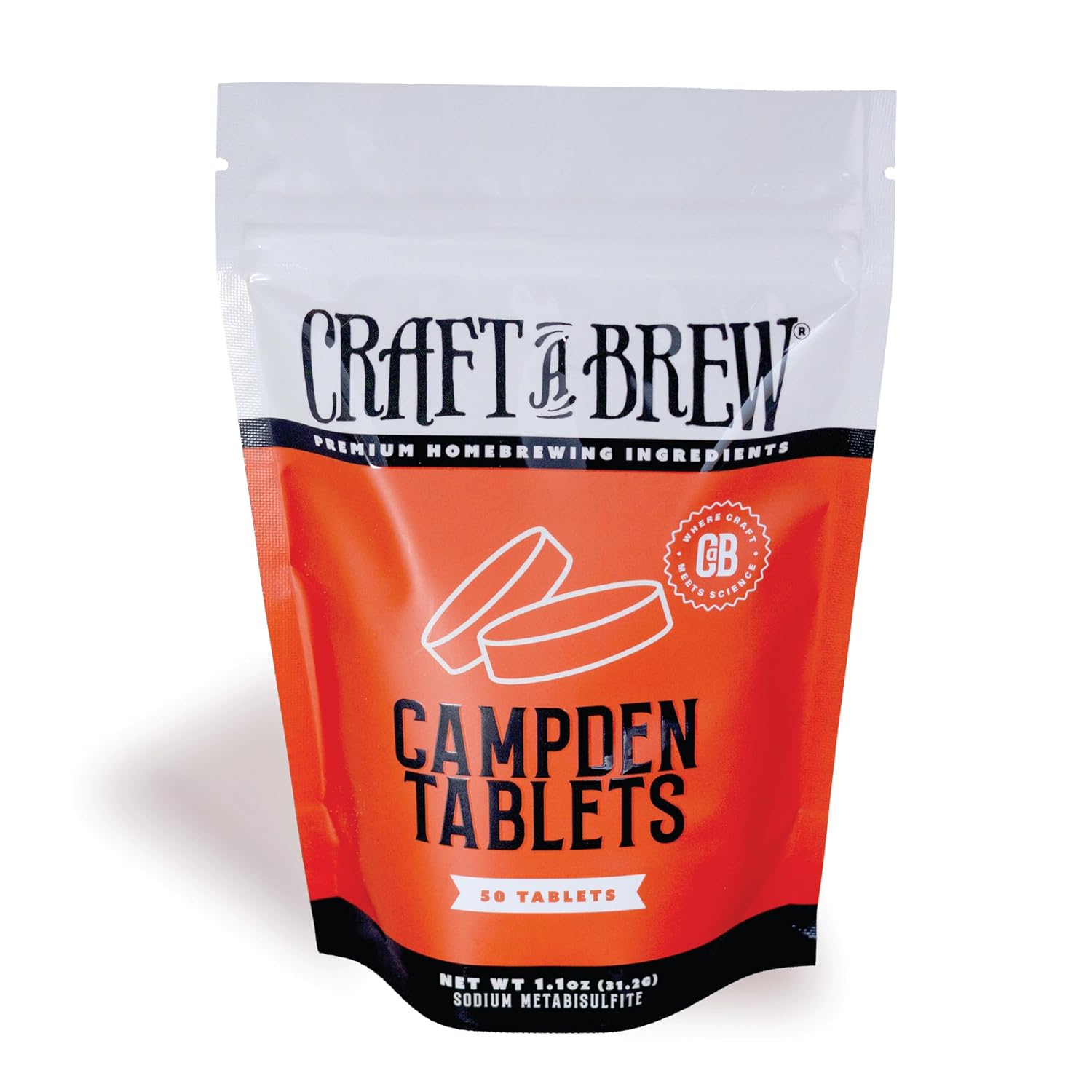
Craft A Brew - Campden Tablets - Sodium Metabisulfite - Sterilant for Winemaking - Ideal for Traditional Grape Wines - Crafting Fruit Wine, Cider - 50 Count
Fifty sodium metabisulfite tablets labeled as a sterilant for winemaking and cider. The same compound is what brewers use in small doses to treat brewing water, so the count per container is the number to weigh.
Visit on AmazonPrices and availability may change. Check the retailer for current details.
How these products were compared
This guide compares labeled ingredient form, stated package weight or count, the role each ingredient plays in a batch, how the packaging holds up between brew days, and the number of batches the package implies. Product names, images, and retailer links are matched by ASIN so that every card points to the product shown.
None of this is presented as a side-by-side brew session. The claims come from what each listing states about form, weight, and intended use, plus standard practice in the hobby where the label is aimed at a different audience. Where a use is general brewing practice rather than a label claim, the copy says so. For pricing, use the link on each card, because listing numbers move and this page does not carry them.
How to choose the right ingredient
Start with batch size, because every other decision follows from it. A 5-gallon brewer and a 1-gallon brewer should not buy the same package of anything. Write your batch size and your target original gravity at the top of the page, then buy to those two numbers.
Base malt versus extract is the first fork in the road. If you mash, a 10-pound sack of 2-row is the backbone of a standard-strength batch and the cheapest way to buy the majority of your fermentables. If you brew extract, skip the malt and put the money into fresher extract and a proper yeast pitch. Grain you will not mash is not affordable, it is decorative.
Yeast is where newer brewers overspend without noticing. A dry strain is pitched by weight against a stated volume, and this listing says 11.5 grams per pack for 10 to 15 liters. If your batch is larger than that, you need more packs, and the two-pack format exists precisely because one pack is not enough for a full batch. Do that arithmetic before checkout, not after you pitch.
Packaging is its own decision. Carbonation drops are pre-measured per bottle and remove the measuring error that gives you one flat bottle and one gusher from the same batch. Bulk corn sugar is the opposite trade: one measured addition for the whole batch, and a 4-pound bag that covers a lot of bottling days. Neither is better, they just solve different bottling habits. If you are still deciding how you want to package, this priming sugar walkthrough covers the dosing side.
Sulfite tablets are a volume-dose ingredient. Read the label, work out how many gallons you treat per tablet, and buy the count that matches your water volume for a season. The best affordable beer brewing ingredients are the ones that get used before they go stale, and a 50-pound sack that sits open in a garage for a year costs more per usable batch than three 10-pound bags.
Briess 2- Row Brewers Malt 1.8L - 10 lb
Briess 2-row at 1.8 Lovibond is a base malt: pale, low in color, and intended to supply the majority of a grain bill. The 10-pound package is the practical unit for an all-grain brewer, because base malt is the line item that scales with batch size and the one place where buying in bulk genuinely saves money. Specialty grains are measured in ounces. Base malt is measured in pounds.
The trade-off is commitment. Ten pounds of malt wants to be mashed and it wants to be used inside a reasonable window, so buy it planning two or three batches rather than one. Store it sealed, cool, and dry, and keep it off a concrete floor. If you brew extract, or you brew a single small batch a year, this is the wrong purchase and the corn sugar below is a better use of the same money.
Alternatives to consider
The Corn Sugar (Dextrose) priming sugar for beer brewing 4 Pounds is better suited to brewers who bottle whole batches and want one measured priming addition, while the 2x Fermentis Saflager W34/70 Beer Yeast lager and pilsner ales 11.5g 10-15L is a stronger fit when you are brewing a lager or pilsner and want to skip a starter entirely. Two packs at the stated 10 to 15 liters each cover a full batch without a viability guess.
The Coopers - 07-IZ3Z-LI40 DIY Home Brewing Carbonation Drops and the Craft A Brew - Campden Tablets - Sodium Metabisulfite - Sterilant for Winemaking - Ideal for Traditional Grape Wines - Crafting Fruit Wine, Cider - 50 Count cover the two ends of the packaging and water side. The drops suit small batches and brewers who bottle straight from the fermenter, and the sulfite tablets give you a counted, dosed way to treat water volume rather than pouring from an unmarked bag.
Day-to-day use and maintenance
Base malt is the ingredient most likely to degrade in storage. Keep the sack sealed, keep it dry, keep it out of a hot garage, and grind it as close to brew day as your setup allows. If you buy 10 pounds and brew 2.5-gallon batches, portion it into sealed containers on arrival so you are opening one small container instead of the whole sack every time. Milled grain stales far faster than whole grain, which is the argument for owning a mill or buying crushed malt per batch.
Dry yeast belongs in the refrigerator, in its sealed pack, until the morning you pitch. Let packs come to room temperature before opening, and rehydrate or pitch dry according to the manufacturer's directions rather than a forum thread. Dextrose and carbonation drops both pull moisture, so a sealed jar or the original bag with the air pressed out keeps them flowing instead of clumping into a brick.
Sodium metabisulfite deserves respect. The tablets release sulfur dioxide, the dust irritates lungs and eyes, and the compound is a known allergen for some people. Open the container in a ventilated space, keep it away from acids and out of reach of anyone who might mistake it for a tablet of another kind, and dose water by the label rather than by feel.
Buying checklist
- Write down your batch size in gallons and your target original gravity before you shop.
- Match yeast pack count to the stated pitch volume, not to the number of packs that look like enough.
- Choose base malt quantity against the number of batches you will brew in the next two to three months.
- Confirm the exact package weight or count, since the same product line often ships in several sizes.
- Read the label directions and safety notes, especially on sulfite products.
- Verify current price, availability, and return terms at the retailer before ordering.
Final recommendation
Choose the Briess 2- Row Brewers Malt 1.8L - 10 lb when you mash and you want the single largest ingredient in your beer bought at a bulk quantity instead of by the ounce. Choose the Corn Sugar (Dextrose) priming sugar for beer brewing 4 Pounds when bottling whole batches and you want one priming addition for the entire run, or the carbonation drops when you bottle in small batches and would rather not measure at all. For lagers, the two-pack dry yeast removes the starter step. For water treatment and sanitizing, the counted sulfite tablets are the version you can actually dose.