Home brewing equipment is the part of the hobby that never makes it onto a recipe sheet. A grain bill can be perfect on paper and still finish three points high because the fermenter sat in a garage that hit 78°F, and a bottling afternoon can turn into a sticky mess because the capper you grabbed in a hurry chewed through a case of crowns. This guide is about the hardware that decides whether a brew day ends with a sealed fermenter and a logged final gravity, or with wort on the floor and a question mark next to the batch.
The six products below cover the whole arc of a batch: the hot side, the fermenter, the airlock that keeps oxygen and fruit flies out, the packaging step, and the bench everything sits on. They run from a small airlock and stopper set to a stainless all-in-one electric system. Nothing here is ranked by price. It is ranked by whether the thing does its job without adding a variable you have to troubleshoot at 11 p.m.
Related: Bottling vs Kegging: Choosing Your Packaging Path
Quick answer
The G30³ All-in-One Electric Homebrewing System, Stainless Steel is the strongest fit for brewers who want heating, mashing, and boiling consolidated into one stainless vessel instead of juggling a kettle, a cooler mash tun, and a burner. Choose the TMCRAFT New 5 Gallon Stainless Steel Ball Lock Keg with Dual Rubber Handles instead when your real bottleneck is packaging rather than the hot side.
Home brewing equipment worth comparing
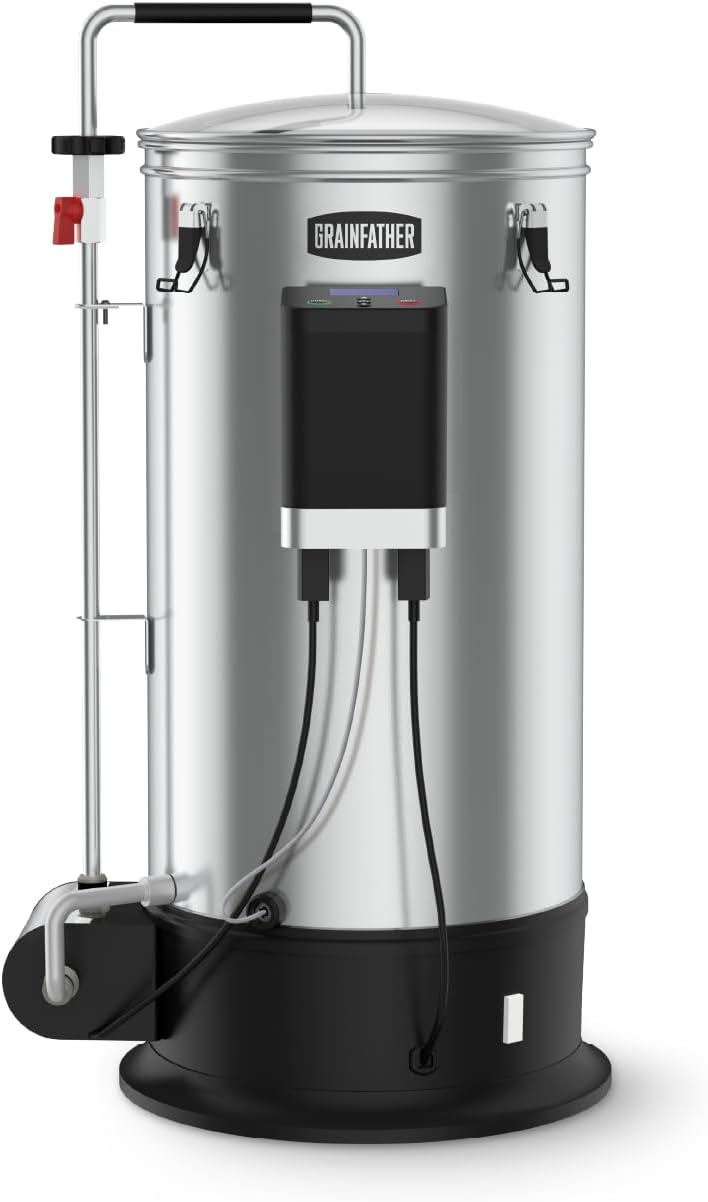
G30³ All-in-One Electric Homebrewing System, Stainless Steel
A single-vessel electric system built in stainless steel that brings heating, mashing, and boiling together in one unit, cutting the number of vessels, hoses, and transfers in a brew day.
Visit on Amazon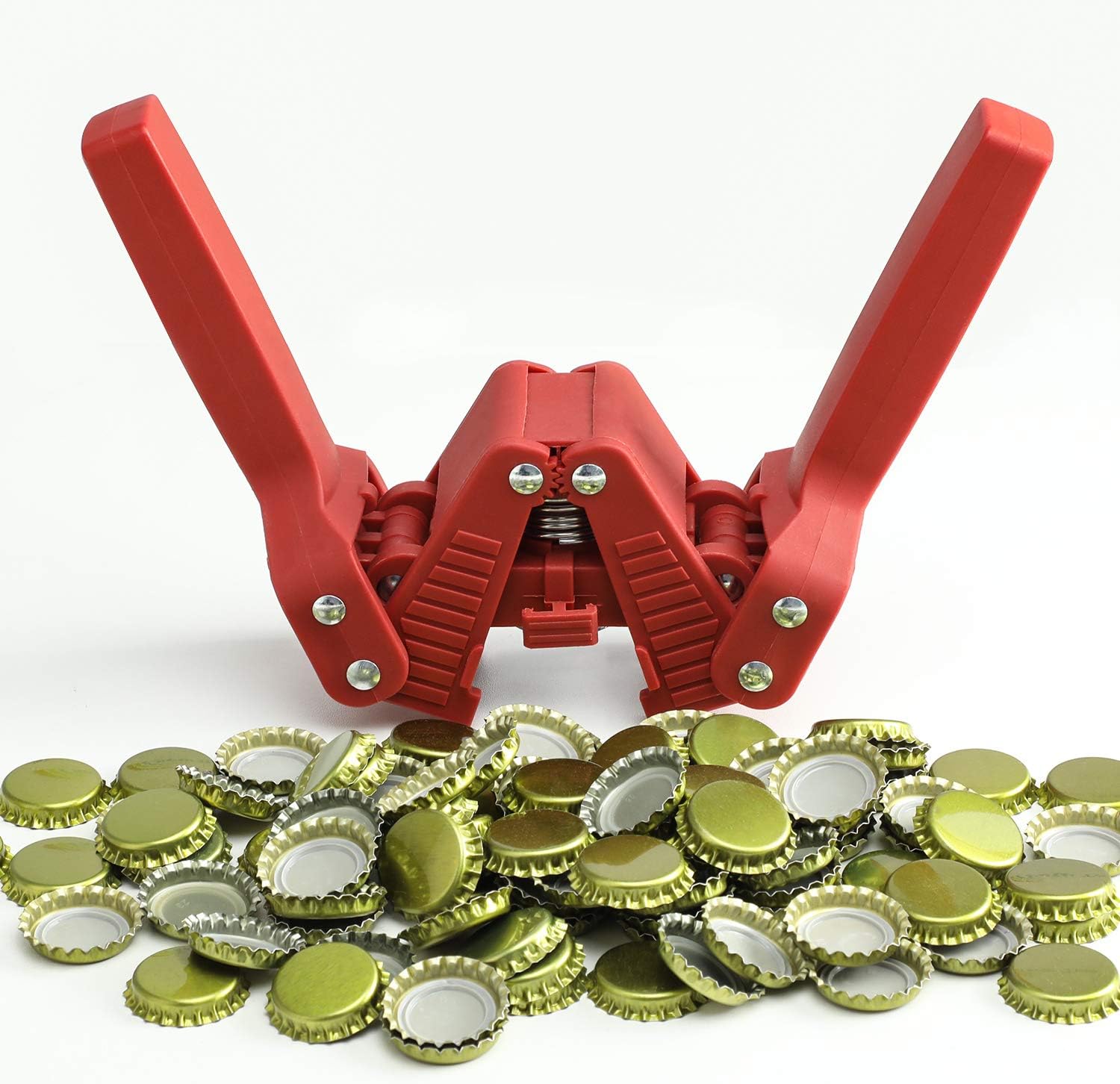
Beer Bottle Capper and Caps Kit, Crown Bottle Cappers Tool With Magnet for Bottle Capping, Red Baron Home Brew Hand Bottles Capper with 150 Crown Caps for Bottling (Beer Bottle Capper)
Check current Amazon price
A hand capper with a magnetic bell that holds each crown in place, bundled with 150 crowns, covering the packaging step for bottlers who are not ready to move to kegs.
Visit on Amazon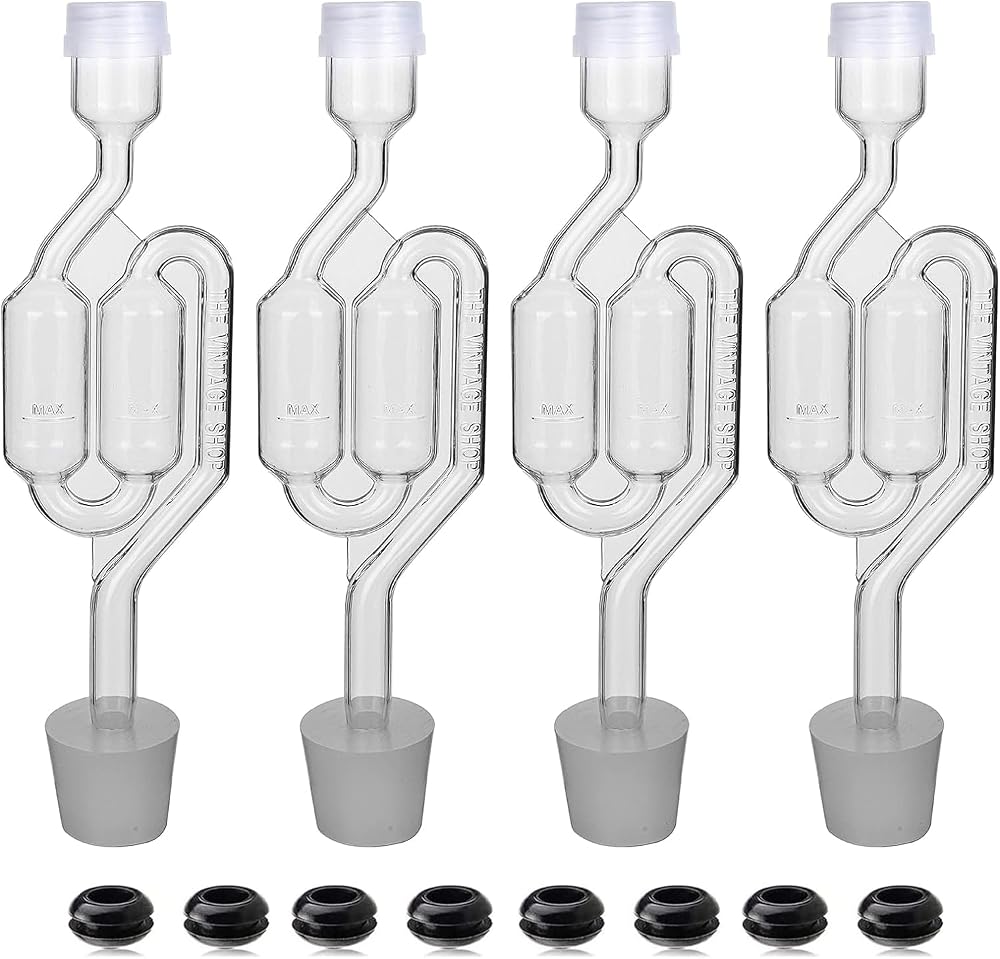
Bubble Airlock Set, 4 Airlocks for Fermenting, 4 Drilling #6 Stoppers and 8 Airlock Grommets, Used for Brewing Wine, Beer, Sauerkraut, Pickles, Etc. Fermentation Bubbler Airlock
Four airlocks with four drilled number 6 stoppers and eight grommets, sized for standard fermenter openings and useful well beyond beer for wine, sauerkraut, and pickles.
Visit on Amazon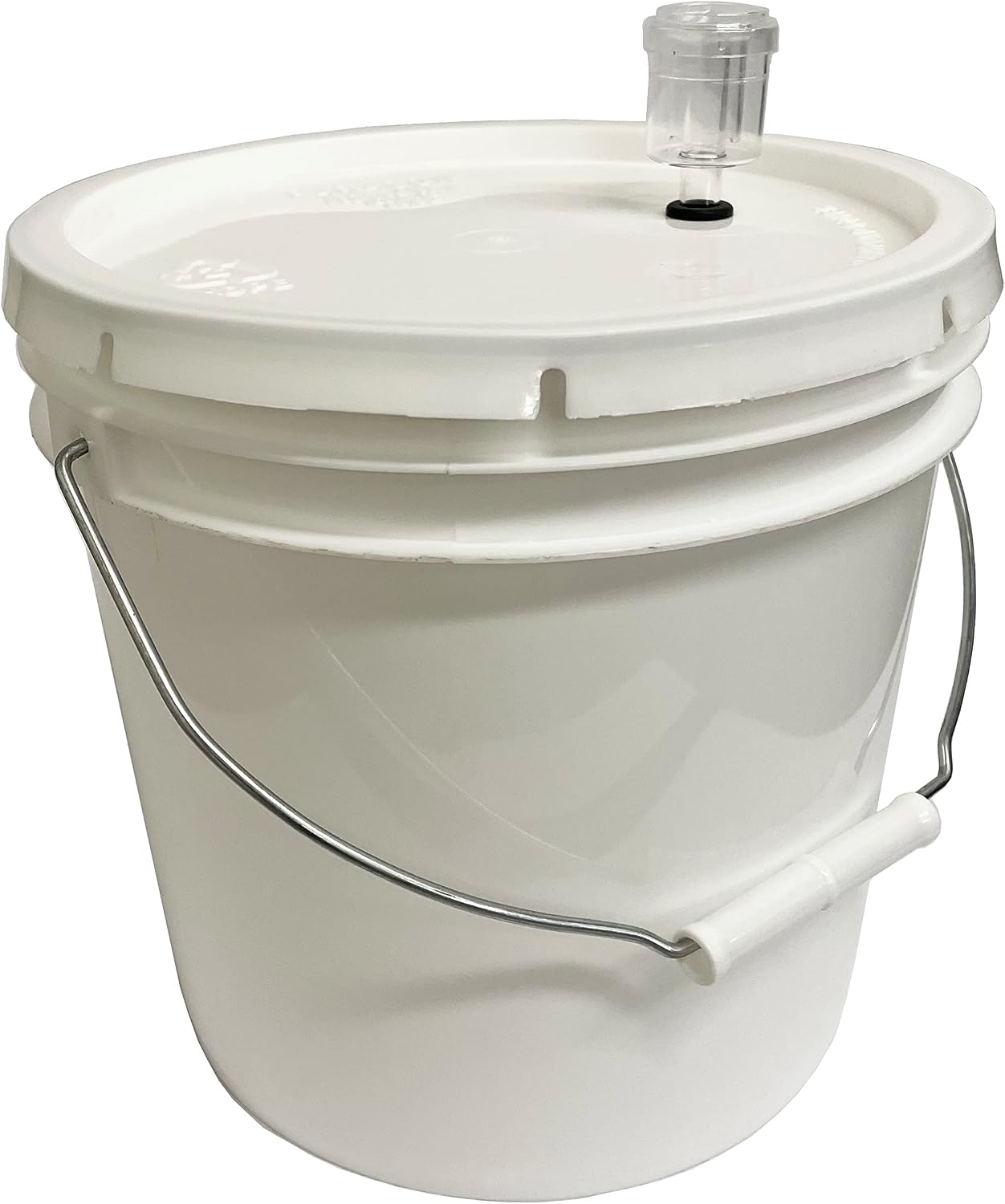
North Mountain Supply 2 Gallon Fermenting Bucket with 2-Piece Airlock
A small-batch fermenting bucket paired with a two-piece airlock, sized for split batches, test fermentations, and recipes where five gallons of headspace is more than the beer needs.
Visit on Amazon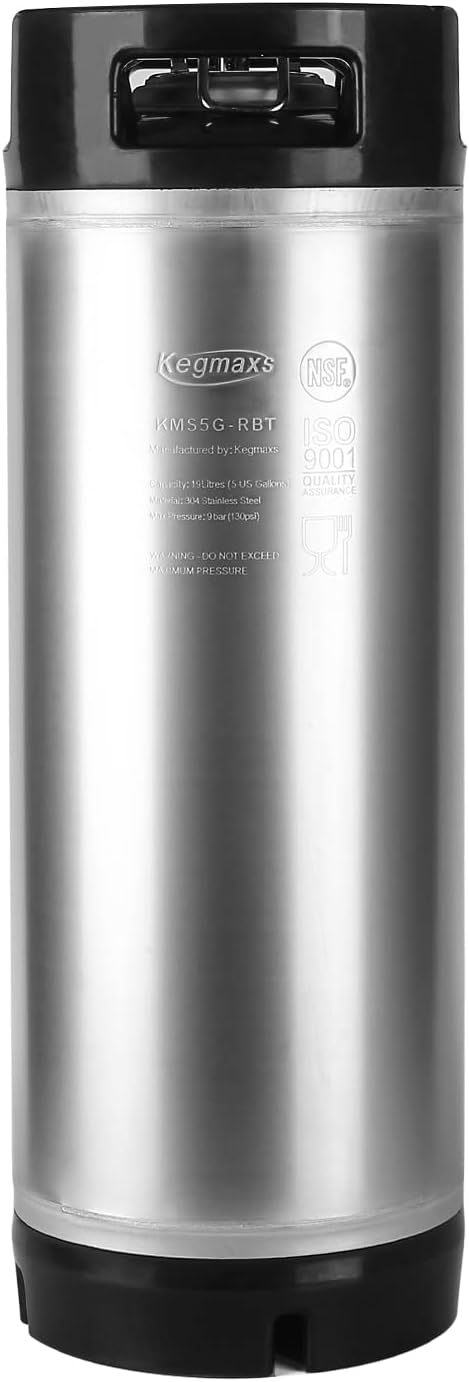
TMCRAFT New 5 Gallon Stainless Steel Ball Lock Keg with Dual Rubber Handles
A five gallon stainless steel ball lock keg with dual rubber handles, aimed at brewers who want to carbonate and serve from a sealed vessel instead of a case of bottles.
Visit on Amazon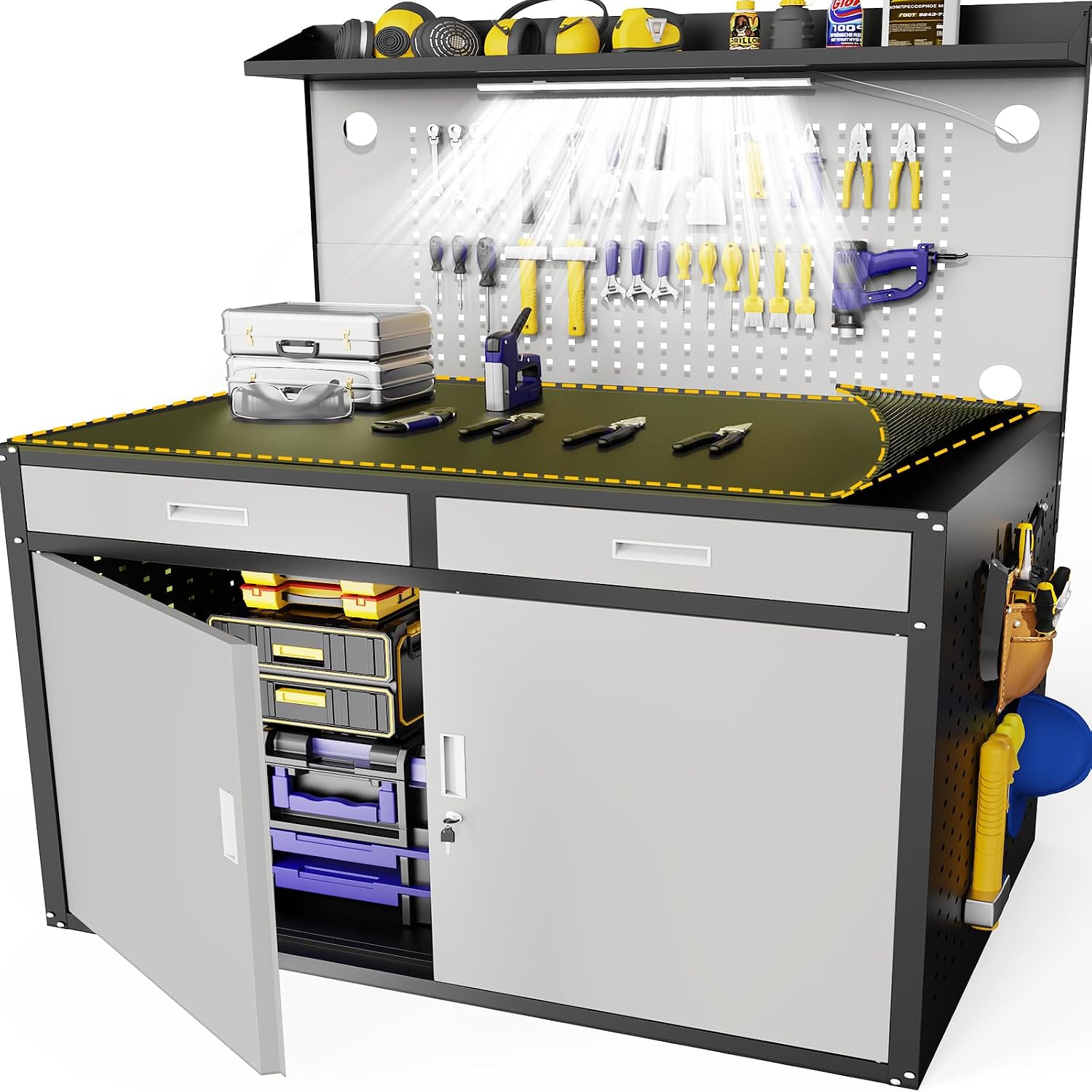
Eltean 48" Workbench,Heavy Duty 2500 LBS Capacity Work Benches for Garage
A 48 inch workbench rated to 2500 pounds, giving a brew space a stable, waist-height surface for kettles, carboys, and the bottling bucket when the kitchen table is not an option.
Visit on AmazonPrices and availability may change. Check the retailer for current details.
How these products were compared
This guide compares vessel material and build, capacity relative to a normal batch size, how each item interfaces with standard fermenter openings and fittings, how much cleaning and sanitation each one adds to a brew day, and whether the product replaces a step in the process or simply becomes another thing to store. Product names, images, and retailer links are matched by ASIN so that every card points to the product shown.
A product that solves a real step, a fermenter that seals, an airlock that fits, a capper that seats a crown squarely, is worth more than a gadget that only looks like progress. The categories here are deliberately different from one another because a brew day has genuinely different failure modes: a stuck sparge on the hot side, a stalled or oxygen-exposed fermentation, a packaging step that leaks, and a workspace that puts a full kettle above knee height.
How to choose the right home brewing equipment
Start by naming your bottleneck instead of your wish list. If your brew days run long because you are moving wort between three vessels and cleaning each one, the hot side is your problem and an all-in-one electric system addresses it directly. If your beer tastes fine going into the fermenter and dull coming out, your money belongs in fermentation temperature control and sealed packaging, not in a bigger kettle. If bottling day is the reason you brew less often than you want, a keg is the purchase that changes the math.
The second question is capacity, and it is the one people get wrong most often. A two gallon fermenting bucket is a genuinely useful vessel for split batches, yeast comparisons, and small experimental recipes, but it will not hold a five gallon batch, and headspace matters in both directions: too little and you get blowoff through the airlock, too much and you are leaving oxygen in contact with the beer. Match the vessel to the volume you actually brew, then match the fittings, airlocks, stoppers, and grommets to that vessel's opening. If you are still deciding how you want to package, bottling versus kegging is the fork in the road that determines whether the capper or the keg comes first.
Finally, think about the space itself. A stable, waist-height bench keeps a full kettle and a glass carboy off the floor, which matters more than most people expect until the first time they lift a five gallon batch onto a counter.
G30³ All-in-One Electric Homebrewing System, Stainless Steel
The G30³ is the pick here because it collapses the busiest part of a brew day into one stainless vessel. Heating, mashing, and boiling happen in the same unit, which removes the transfer steps, the extra hoses, and the third thing to clean. Stainless construction matters for the same reason it matters in a commercial brewhouse: it holds up to repeated heating and cleaning cycles, it does not retain the aromatics of the last batch, and it does not scratch into a hiding place for spoilage organisms the way a worn plastic vessel can.
The trade-off is honest. A single-vessel electric system asks you to learn a new process, and if you already own a kettle and a mash tun that hold temperature well, the gain is in repeatability and fewer transfers rather than in the beer improving by itself. Consolidation also means a single point of failure: if the one vessel is out of commission, the whole brew day is. Buy it because you want a shorter, more repeatable brew day, not because you expect the equipment to fix a fermentation problem.
Alternatives to consider
The Beer Bottle Capper and Caps Kit is better suited to brewers who package in glass, where a magnetic bell that holds the crown in place makes a case of bottles faster and less fumbly, and the included crowns mean you can bottle the batch you just finished. The Bubble Airlock Set is a stronger fit when you need several fermenters running at once, or when you want stoppers and grommets on hand for carboys, buckets, and the occasional crock of sauerkraut.
The North Mountain Supply 2 Gallon Fermenting Bucket with 2-Piece Airlock, the TMCRAFT New 5 Gallon Stainless Steel Ball Lock Keg with Dual Rubber Handles, and the Eltean 48" Workbench cover the other three jobs. The small bucket is the split-batch and experimental vessel. The keg is the packaging upgrade for anyone tired of rinsing bottles. The workbench is the unglamorous item that makes the rest of the gear usable, because a 2500 pound rated surface at working height beats a folding table every single time.
Day-to-day use and maintenance
Sanitation drives everything downstream of the boil, and the equipment in this list splits into two groups: things that touch wort after it cools, and things that do not. Airlocks, stoppers, grommets, fermenting buckets, kegs, and bottles all fall into the first group and need contact with a proper sanitizer before use. Stainless tolerates heat and strong cleaners well. Plastic buckets do not, and the practical rule is to retire a plastic fermenter once the inside is visibly scratched, because scratches hold soil and sanitizer cannot reach into them reliably.
Airlocks need liquid in them, and the liquid level is the difference between an airlock and an open hole. Two-piece airlocks are easy to disassemble and rinse, which matters because dried krausen in the inner cup will make one stick. Kegs live or die on their seals: the lid O-ring, the dip tube O-rings, and the posts are the parts that leak, so keep spares and replace them when they stiffen. A capper needs almost nothing beyond a wipe down and a check that the magnet still seats the crown flat. The workbench needs a level surface and a check of the fasteners after the first few heavy loads.
One caveat worth stating plainly: glass carboys and full kettles are heavy, and a wet floor turns both into a hazard. Brew on a surface rated for the load and keep both hands on the vessel.
Buying checklist
- Measure the opening on your fermenter before buying stoppers, airlocks, or grommets, and confirm the size matches what the set includes.
- Choose capacity based on the volume you brew most often, not the biggest batch you might attempt once.
- Confirm the exact model includes the accessory you are counting on, such as a two-piece airlock with a bucket or a lid and fittings with a keg.
- Check the vessel material against your cleaning routine; stainless handles heat and caustic cleaners, plastic does not.
- Read the cleaning and maintenance instructions, especially for seals, O-rings, and any part that touches cooled wort.
- Verify the current retailer price, availability, and return terms before ordering.
Final recommendation
Choose the G30³ All-in-One Electric Homebrewing System, Stainless Steel when your brew day is long because of vessel changes and you want heating, mashing, and boiling in one stainless unit. Choose the TMCRAFT New 5 Gallon Stainless Steel Ball Lock Keg with Dual Rubber Handles when the hot side already works and packaging is what keeps you from brewing more often. If you bottle, add the capper; if you split batches, add the two gallon bucket; if you have nowhere steady to work, start with the bench. Buy the piece that removes your actual bottleneck, and the rest of the list will still be there next season.