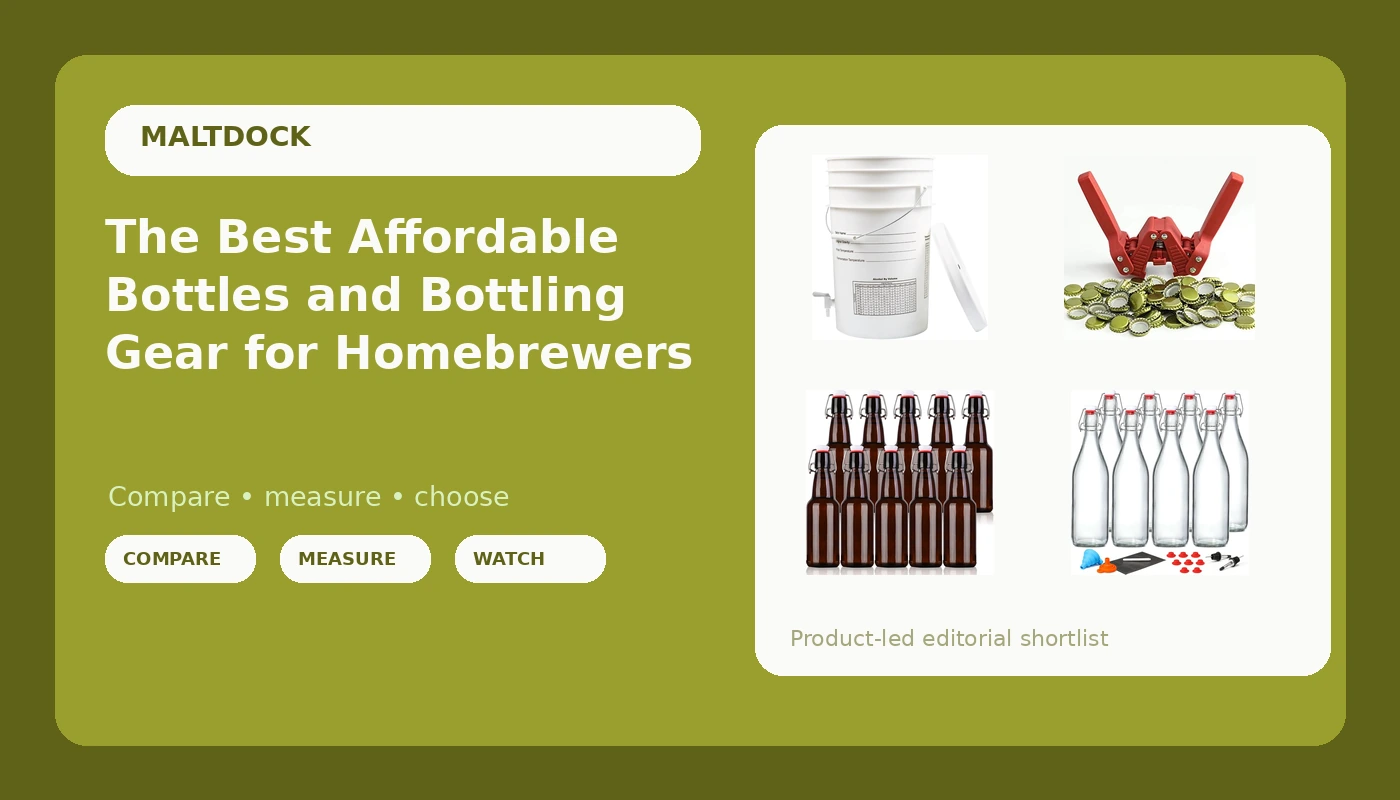
Bottling day is where a homebrew budget quietly goes sideways. Fermentation finishes, you take the FG reading you promised yourself you would take, and then you do the arithmetic: five gallons is 640 fluid ounces, which is a lot of glass to buy at retail. The affordable bottles & bottling gear in this guide exists to solve that specific problem without handing you thin glass, gaskets that fail, or a capper that folds a crown cap in half on the first squeeze.
Two things drive this purchase more than anything else. The first is closure type, because a swing top and a crown cap ask completely different things of you on bottling day. The second is size, because bottle count decides how long you stand over a bucket with a filling wand. Everything below is built from the listed product records and from bottling practice that applies to these formats generally. This is a comparison of what each product actually is, not a claim that I ran a brew day behind every card. If you want the short version of the best affordable bottles & bottling lineup, it is in the quick answer.
Related: How to Prime and Carbonate a Bottled Batch
Quick answer
The Swing Top Glass Bottles, 8 Pack [1 Liter / 33 fl. oz.] is the strongest fit for bottling without a capper or a standing supply of crown caps, because the swing-top closure is reusable batch after batch, goes back on the same bottle every time, and the 1-liter size roughly halves the number of fills compared with 12-ounce glass. Choose the Beer Bottle Capper and Caps Kit instead when your garage already holds crown-finish bottles and the only thing missing is a way to seal them.
Which affordable bottles & bottling gear is worth comparing
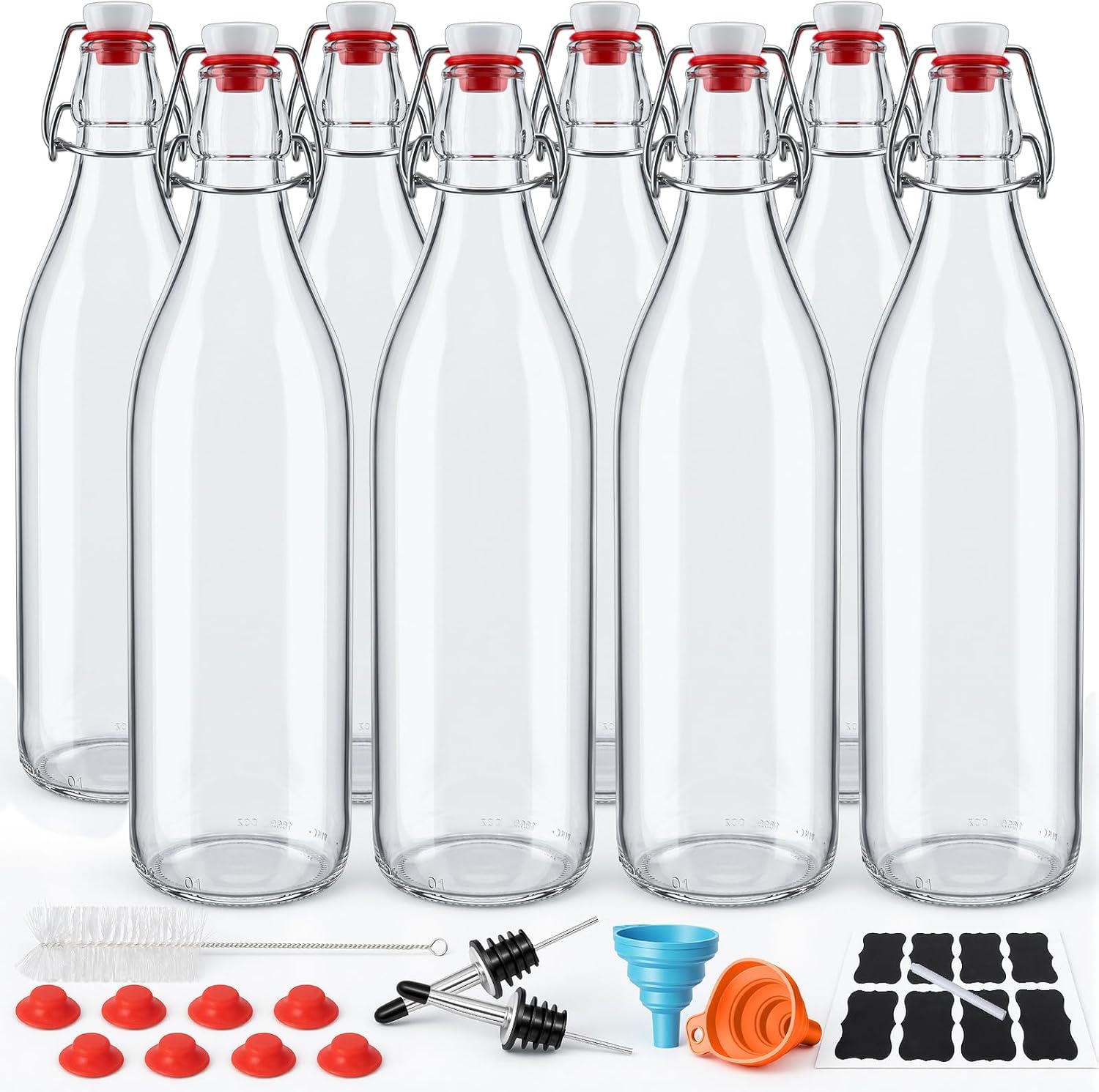
Swing Top Glass Bottles, 8 Pack [1 Liter / 33 fl. oz.]
Eight 1-liter (33 fl. oz.) glass bottles with swing-top closures. No capper and no crown caps required, and fewer bottles to fill per batch.
Visit on Amazon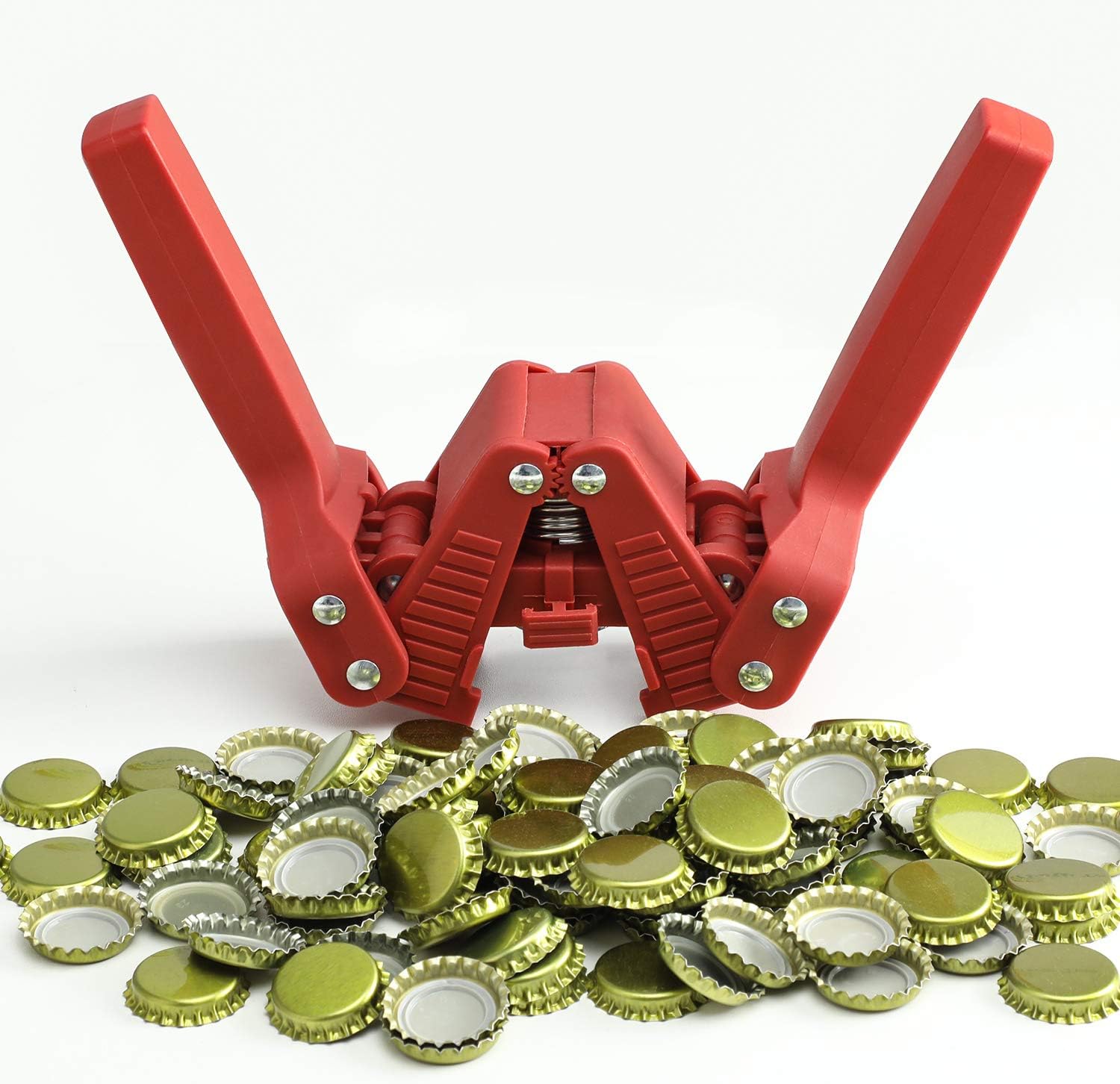
Beer Bottle Capper and Caps Kit, Crown Bottle Cappers Tool With Magnet for Bottle Capping, Red Baron Home Brew Hand Bottles Capper with 150 Crown Caps for Bottling (Beer Bottle Capper)
Check current Amazon price
A hand capper with a magnet to hold the crown cap in place, bundled with 150 crown caps, for sealing standard crown-finish beer bottles.
Visit on Amazon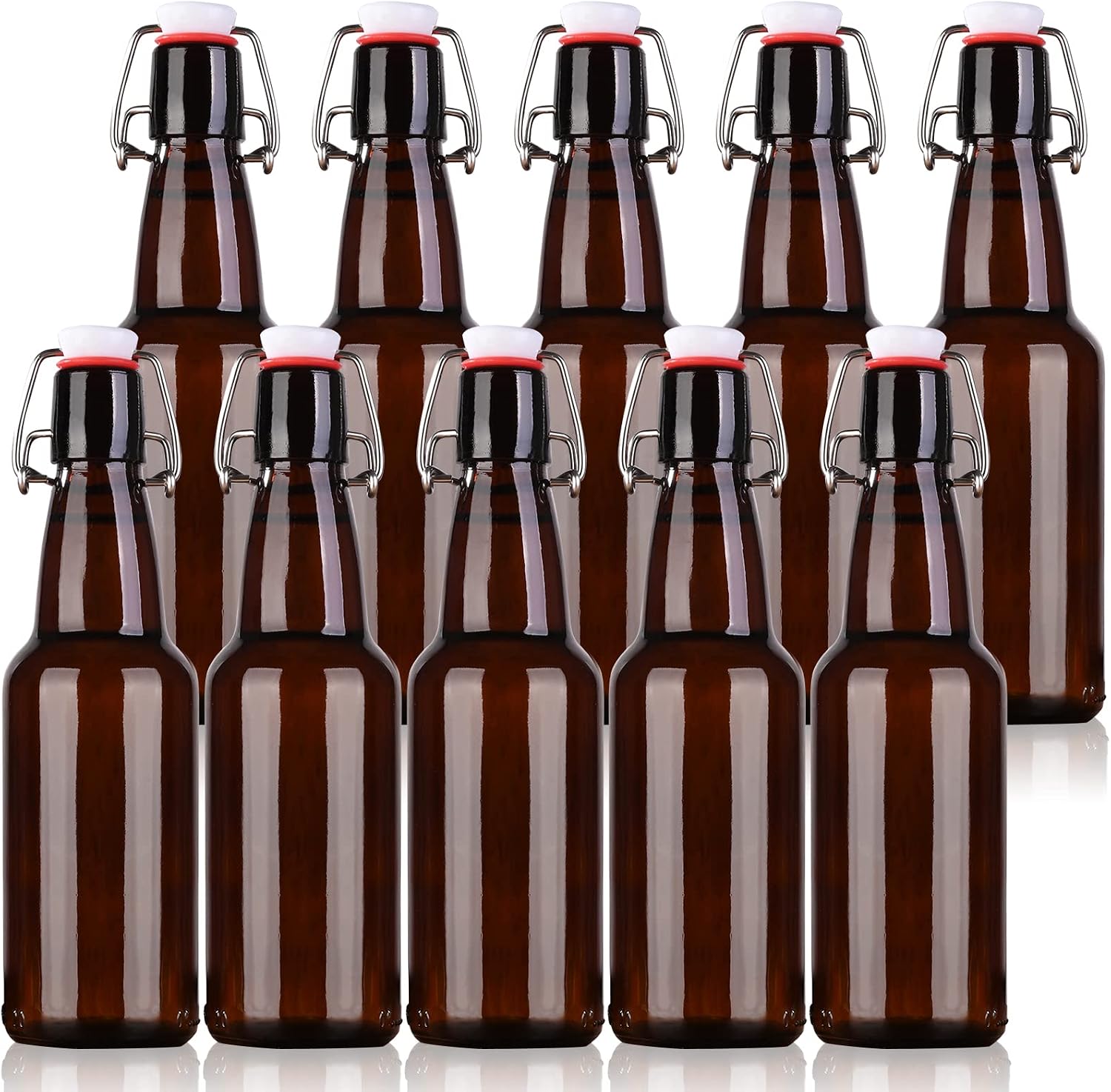
Amber Beer Bottles with Flip Caps, 12oz 10 Pack Glass Bottle with Swinging Top for Airtight Lids, Home Brewing and Fermentation Kombucha, Vanilla Extract, Beverage, Water, Kefir
Ten 12-ounce amber glass bottles with swing-top flip caps. Amber glass limits light exposure, and 12 ounces is the standard single-serving pour.
Visit on Amazon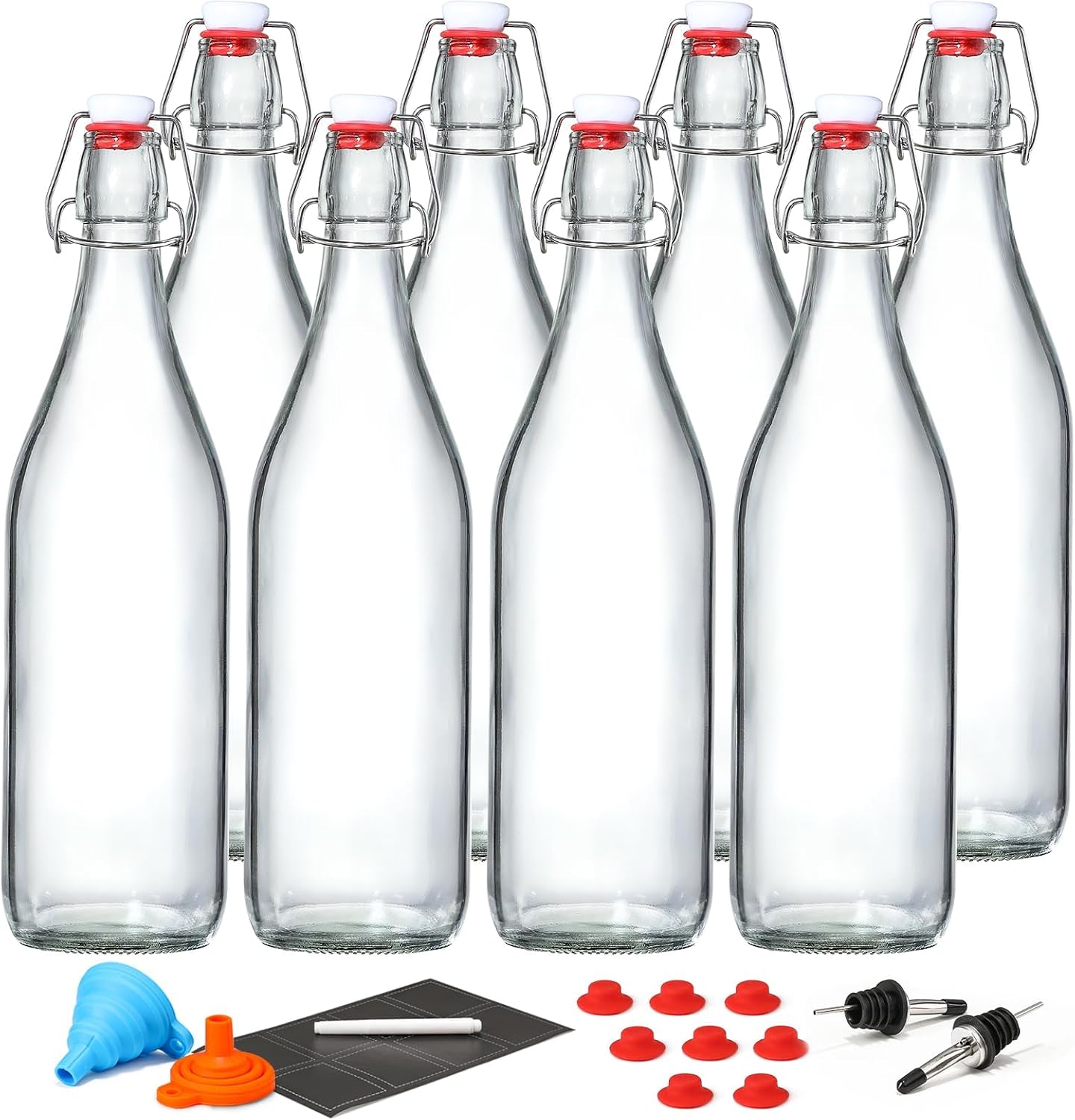
8 PACK [1 Liter/33 fl. oz.] Swing Top Glass Bottles w/ 2 Funnels & Pourers
Eight 1-liter swing-top bottles bundled with two funnels and pourers, covering both the filling and the pouring side of bottling day.
Visit on Amazon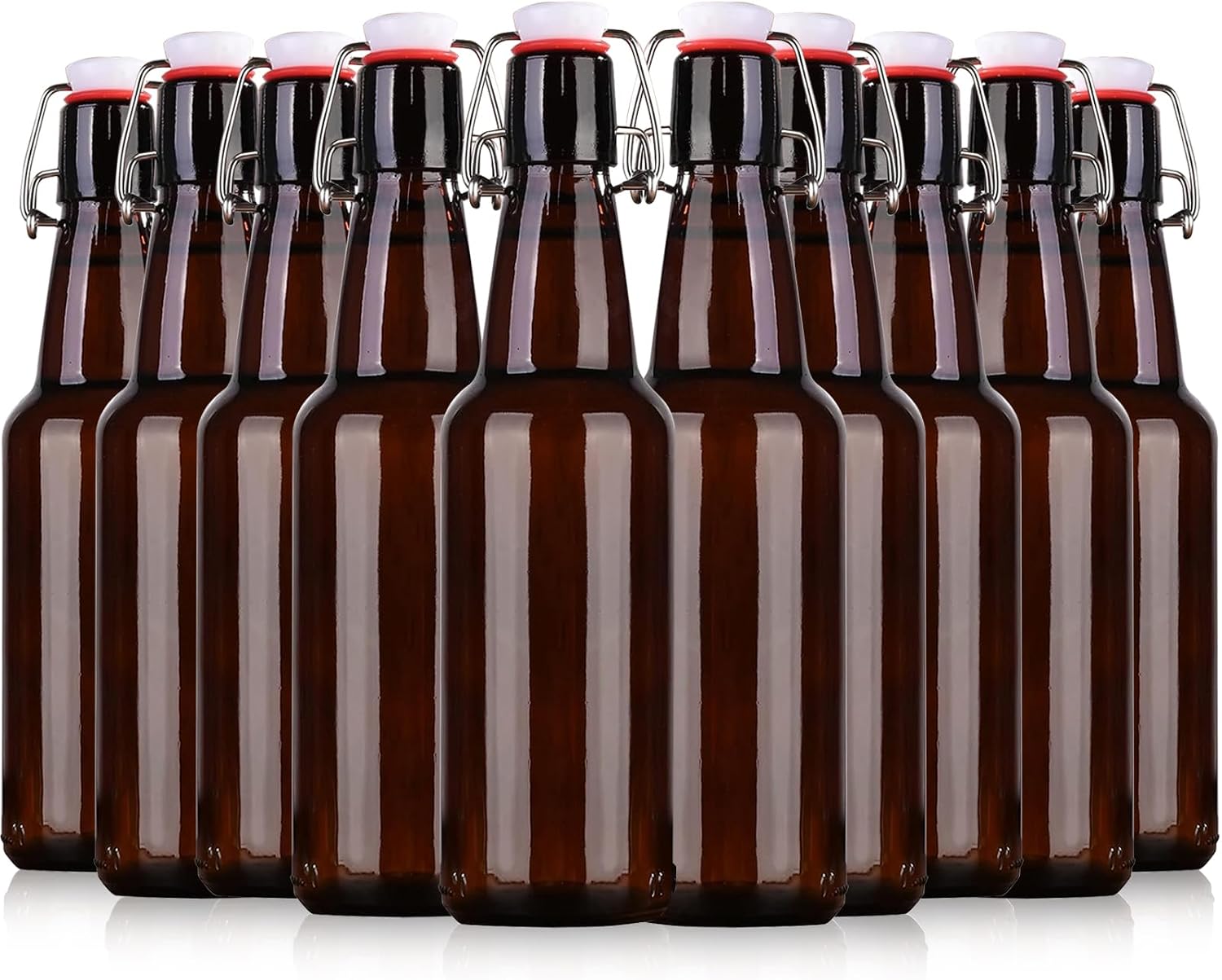
16.5oz Amber Swing Top Glass Bottles for Airtight Lids, Home Brewing and Fermentation Kombucha, Vanilla Extract, Beverage, Water, Kefir (10 Pack)
Ten 16.5-ounce amber swing-top bottles, a middle size between standard 12-ounce glass and 1-liter bottles, with light-blocking amber glass.
Visit on Amazon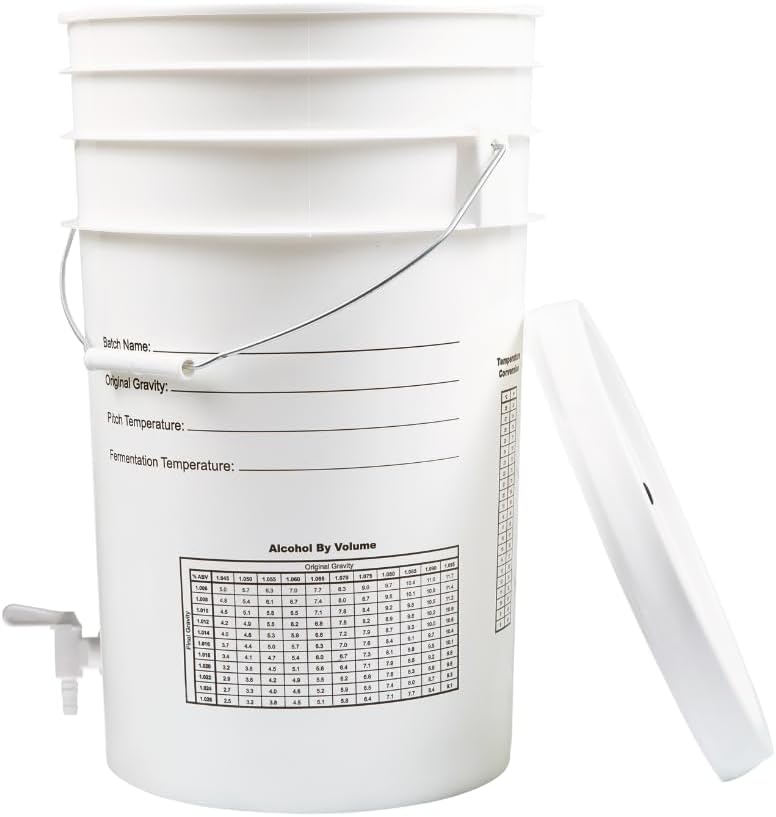
FastTrack Fermentation Bucket with Spigot | Home Brewing Wine Fermenter with Spigot | 100% Food Grade-BPA Free Fermenting Bucket for your Beer, Wine, Mead, Cider, or any other Fermented Beverage
A food-grade, BPA-free fermenting bucket with a spigot, for beer, wine, mead, and cider. The spigot lets you fill bottles straight from the bucket instead of starting a siphon.
Visit on AmazonPrices and availability may change. Check the retailer for current details.
How these products were compared
This guide compares closure type, glass color as listed, capacity and pack count against a five-gallon batch, what ships in the box beyond the bottles themselves, and how much upkeep the closure demands over repeat fills. It also weighs one item that is not a bottle at all, the spigoted fermenter, because the vessel you package from decides whether bottling day is a twenty-minute job or an hour of hose wrestling.
The closure criterion carries the most weight. Swing tops replace crown caps with a wire bail and a rubber gasket, which means no capper to buy and no caps to restock, but gaskets are a wear item. Crown-finish glass is usually the cheapest glass you can find because commercial breweries give it away, and it needs a capper plus a steady hand. Neither format is better in the abstract; they fail in different ways and cost different amounts to keep running.
Capacity comes second. Pack count is where listings get slippery: eight 1-liter bottles is a bit over two gallons, not five, so a full batch means two or three packs of anything on this list. Glass color comes third, since amber limits the light that skunks a hoppy beer while clear glass pushes that job onto your storage. Product names, images, and retailer links are matched one to one so every card points at the product shown, and where a claim depends on how the glass performs under pressure, this article says so instead of guessing.
How to choose the right bottle
Start with arithmetic, because it is the step people skip and then regret. Five gallons is 640 fluid ounces. Divide by 12 and a batch needs about 53 twelve-ounce bottles. Divide by 16.5 and it needs about 39. Divide by 33.8 and it needs 19 one-liter bottles. Add a couple of spares for the trub and yeast you leave behind, round up to whole packs, and that single calculation usually settles the 12-ounce versus 1-liter argument before you compare anything else.
Then pick a closure you will actually keep up with. Swing tops are the lower-maintenance choice: fill, close the bail, done, and the gasket is the only part that ages. Crown caps demand a capper and a fresh bag of caps every few batches, but they let you reuse the free glass that accumulates if you drink commercial beer. If you go the crown route, buy the capper once and treat caps as a consumable line item rather than a purchase.
Glass color is the third decision and the one most people skip. Amber glass blocks the blue light wavelengths that react with hop compounds, which matters for pale ales and anything heavily dry hopped. Clear glass is fine for a cider, a mead, or a batch of kombucha that lives in the fridge, but a pale beer in clear glass on a sunny shelf will go skunky in a way no amount of careful fermentation can undo. Storage is free, so a dark closet or a closed box solves clear glass for most people.
Priming is the last piece and the one that punishes guessing. Over-carbonating a batch does not just make a mess, it puts pressure on glass that was never designed for it, and the failure mode is a bottle that lets go in the closet. Read how to prime and carbonate a bottled batch and weigh the sugar rather than scooping it. That habit matters more to your results than which of these bottles you buy, and it is the reason the best affordable bottles & bottling setup is the one whose closure you will keep clean and keep sealed.
Swing Top Glass Bottles, 8 Pack [1 Liter / 33 fl. oz.]
Eight 1-liter (33 fl. oz.) glass bottles with swing tops, sold as a single pack. The bail-and-gasket closure is the reason this one leads: there is no capper to buy, no crown caps to keep in stock, and the closure goes back onto the same bottle every time instead of being crimped and thrown away. One liter also means fewer bottles to wash, fill, and cap on a Saturday morning. A five-gallon batch needs about twenty of them, so two packs plus a couple of spares gets you there without buying a capper.
The trade-off is twofold. This listing does not describe amber glass, so light protection is your job, which in practice means storing filled bottles in a dark closet or a closed cardboard box rather than on an open shelf. The other trade-off is gasket maintenance: every swing top eventually needs its rubber gasket replaced, and a stiff or cracked gasket will not seal no matter how hard you press the bail. Inspect them before each bottling day and keep a spare set on hand. If amber glass is non-negotiable for a hoppy beer, the 16.5-ounce option below gives you the same closure in light-blocking glass.
Alternatives to consider
The Beer Bottle Capper and Caps Kit is better suited to a garage that already has crown-finish bottles stacked in cases, since the kit supplies the hand capper, a magnet to hold each cap in place, and 150 crown caps, and leaves the glass out of the equation entirely. The Amber Beer Bottles with Flip Caps, 12oz 10 Pack is a stronger fit when light protection and a standard single-serving pour matter more than fill count, and ten amber swing tops is a sensible way to try the format before committing to forty more bottles.
The 8 PACK [1 Liter/33 fl. oz.] Swing Top Glass Bottles w/ 2 Funnels & Pourers covers the same 1-liter swing-top format but bundles two funnels and pourers, which is useful if you are filling from a bucket tap and want a clean pour afterwards. The 16.5oz Amber Swing Top Glass Bottles (10 Pack) splits the difference at 16.5 ounces in amber glass, a good middle ground for a batch split between two bottle sizes. The FastTrack Fermentation Bucket with Spigot handles everything before the bottles: it is a food-grade, BPA-free fermenter with a spigot, so you can fill from the tap instead of starting a siphon, and it works for beer, wine, mead, or cider.
Day-to-day use and maintenance
Rinse every bottle the moment it empties and the job stays small. Let trub and yeast dry in the bottom and you will be scrubbing each bottle for ten minutes with a brush. Warm water, a bottle brush, and a no-rinse sanitizer on bottling day covers the glass and the closures.
Swing-top gaskets should be pulled, checked, and replaced once they harden, and the wire bail should never be forced past its stop, because a bent bail stops sealing even with a fresh gasket. Store filled bottles upright and out of light, and give them a week or two at room temperature to carbonate before they go cold. The fermenter needs the same discipline at the other end of the process: clean the spigot after every batch, since that is the one part of a bottling bucket that stays wet and out of sight. Replacing a worn fermenter spigot before it drips is cheaper than losing a batch to an infection, and everything that touches cooled wort or finished beer still gets sanitized.
Buying checklist
- Measure your batch volume and divide by the bottle size you are considering; a five-gallon batch is 640 fluid ounces.
- Choose the closure first: swing top if you want no capper and no caps, crown cap if your glass supply is already crown-finish.
- Confirm the pack count covers your batch, since eight 1-liter bottles is roughly two gallons, not five.
- Verify whether the listing includes caps, funnels, or pourers, and whether it specifies amber glass.
- Read the cleaning and gasket-replacement instructions before the first fill.
- Check the current retailer price, availability, and return terms.
Final recommendation
Choose the Swing Top Glass Bottles, 8 Pack [1 Liter / 33 fl. oz.] when you want the simplest affordable bottles & bottling setup: no capper, no caps to restock, and fewer fills per batch. Buy two packs plus spares for a five-gallon batch, and store them out of the light.
Choose the Beer Bottle Capper and Caps Kit when the bottles are already in the garage and all you need is a seal plus a supply of caps. If you are packaging a hoppy beer and cannot control light, start with the amber options and treat clear 1-liter glass as your cider, mead, and kombucha stock.