I brewed my first batch in 2014 on a dorm room hot plate with a kit that scorched so badly I assumed I had invented a new style. I still call it burnt adjunct lager. Twelve years, 50-plus logged batches, and three years as the assistant brewer at a 7-barrel brewpub in Grand Rapids later, the lesson has not moved an inch: a recipe is a plan, and the numbers are the truth. This homebrew hydrometer comparison covers the two gravity testers I would hand a new brewer, plus a clip on kettle thermometer and one piece of shop furniture that fixes a problem most people do not notice until their third brew day, when the kitchen counter has vanished under airlocks and sanitizer.
The short version: the Brewer's Elite set is the better first purchase, because it arrives with a test jar, a hard case, and a cloth, and the Brewing America Pro Series is the better second purchase for someone who already owns a sample tube and wants one purpose-built triple scale hydrometer. The clip on thermometer earns a permanent spot on the kettle rim. The workbench is the only item on this list that measures nothing, and I am not going to pretend otherwise.
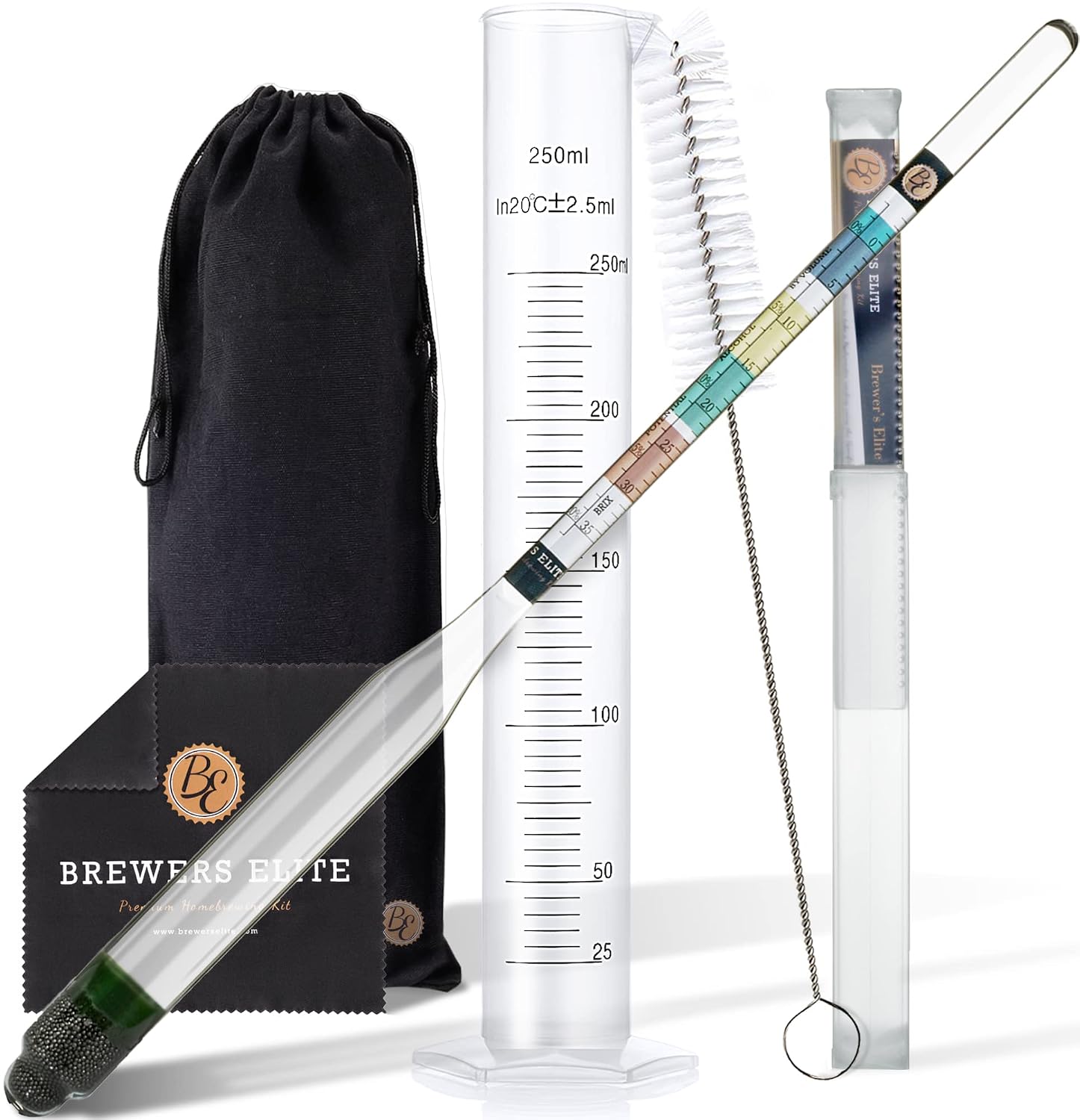
Brewer's Elite Hydrometer & Plastic Test Jar - Deluxe Triple Scale Set, Hardcase and Cloth
Complete kit in one box: triple scale hydrometer, plastic test jar, hard case, cloth
Plastic jar scratches and holds film, and you read through a curved wall
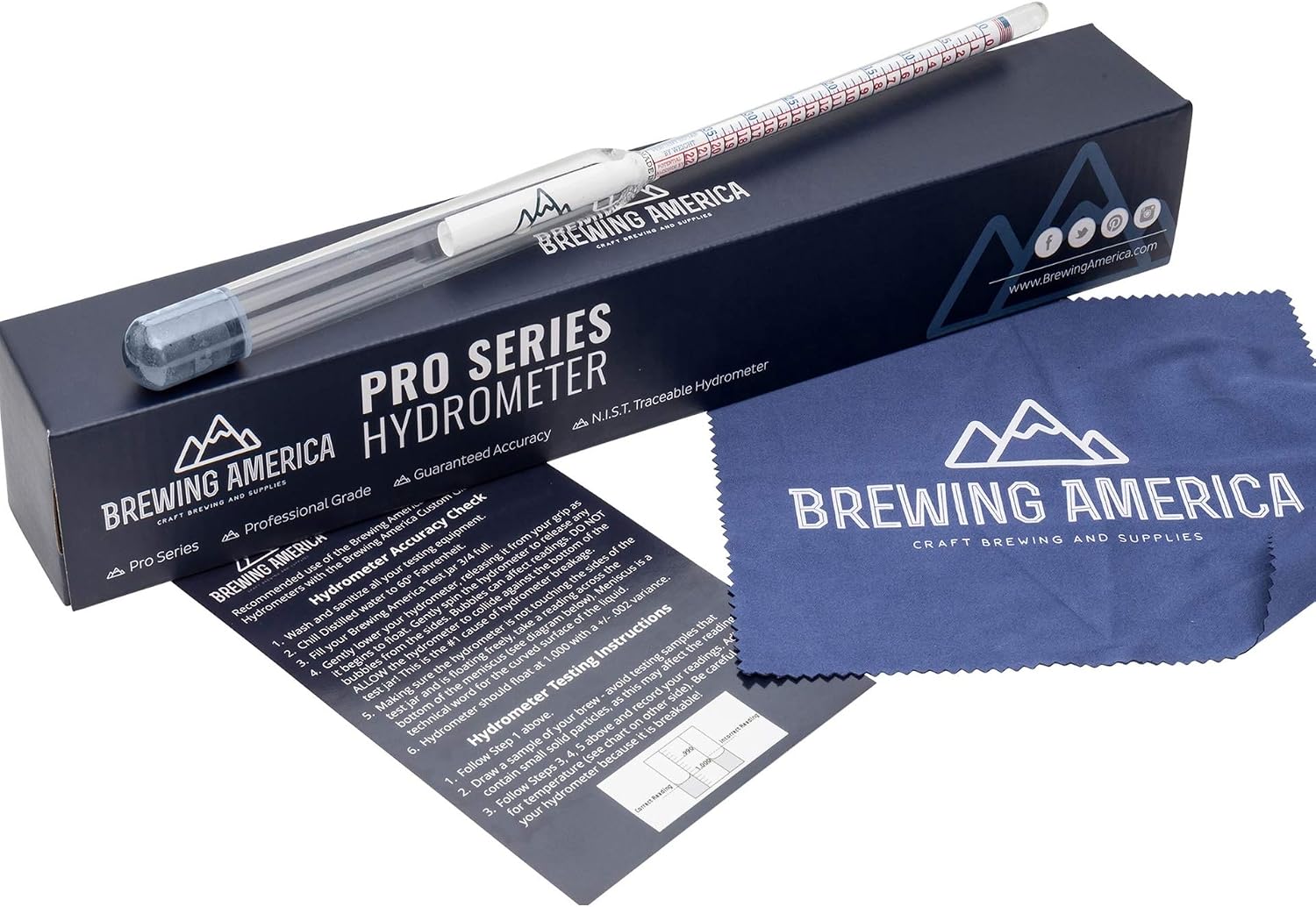
Brewing America American-Made Specific Gravity Hydrometer Alcohol ABV Tester - Pro Series Fermentation Testing
American-made, single-purpose triple scale hydrometer, nothing extra to lose
No test jar and no case, so you supply your own sample tube and storage
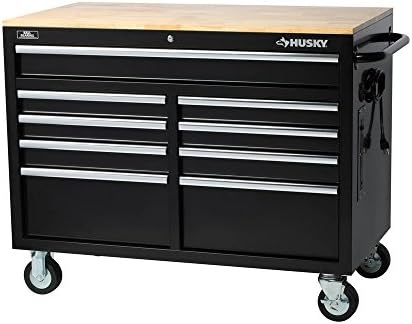
HuskyTools Workbench, Extra Deep 46 in. 9-Drawer Mobile, Wood, Black, 200 lb Load Capacity
Extra deep wood top, nine drawers, mobile, 200 lb load capacity, a real staging surface
Not brewing equipment at all, and it is the largest single spend on this list
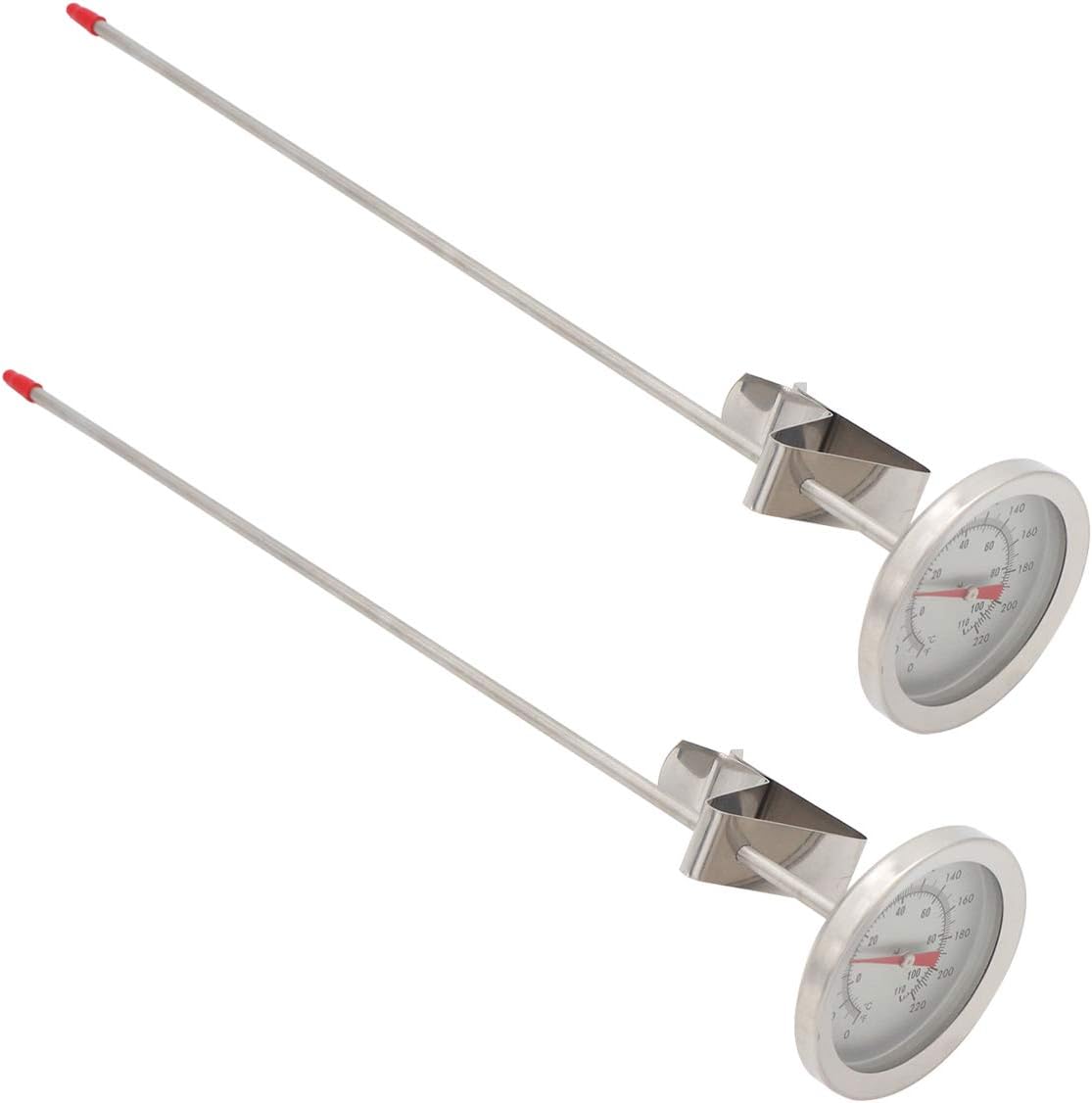
Homebrew Kettle Clip On Thermometer, Dial Thermometer, 12" Stainless Steel Stem
Clips to the kettle rim, 12 inch stainless stem, no hands needed during heat up
A dial needs calibrating and reads slower than digital, and it doubles as a meat thermometer
Prices and availability were captured from Amazon Creators API and may change.
Why gravity is the number that matters
Every batch I have ever brewed starts and ends with a glass float and a number. Original gravity tells you how much sugar you started with. Final gravity tells you where the yeast stopped. The gap between those two readings is the only honest source of your real attenuation and your real ABV, and it is the only way you can brew the same beer twice on purpose.
A hydrometer is not a gadget. It is the tool that turns brewing from gambling into an experiment you can repeat. Mine gets checked in distilled water at 60°F before every single brew day, because a hydrometer that reads two thousandths high is still a hydrometer that reads two thousandths high at the end of a three week fermentation, and that error lands directly in your log and your recipe.
Which is exactly why the two gravity testers here are the heart of this comparison, and why the thermometer and the bench are supporting cast. You cannot fix a fermentation you never measured.
Brewer's Elite: the set that covers the gaps
The Brewer's Elite listing is a triple scale hydrometer bundled with a plastic test jar, a hard case, and a cloth. On paper that sounds like filler. In practice it is the difference between a new brewer measuring their first batch and a new brewer guessing at it.
The test jar is the part that matters most. To read gravity you need a vessel tall enough to float the hydrometer, and a dedicated tube lets you pull a small sample with a wine thief or a sanitized baster and read it outside the fermenter. Dropping a hydrometer straight into a carboy means fishing a glass tube out of your beer, which is a good way to lose a hydrometer, oxygenate a batch, and invite an infection all at once. A test jar solves all three problems for the cost of a sandwich.
The hard case matters more than beginners expect, because hydrometers are glass and glass loses every argument with a garage floor. The cloth is there for wiping the tube dry so you can actually see the meniscus instead of squinting through a film of wort.
Where it loses points: the test jar is plastic, and plastic scratches. Scratches trap film, and film is exactly what you do not want on the wall you are reading through. Rinse it immediately after every sample, do not scrub it with anything abrasive, and it will stay clear for a long time. This is the set I would put in front of someone buying their first hydrometer, and it is the one I would still recommend to someone who has broken their third glass float in a row.
Brewing America Pro Series: one tool, one job
The Brewing America Pro Series is a single triple scale hydrometer, American-made, sold with no jar and no case. That is the whole pitch, and it is a good one if you already own the rest of the kit.
A dedicated hydrometer with nothing bundled around it is a cleaner tool. There is no plastic jar to scratch, no extra parts to lose in a drawer, and nothing to distract from the reading. If you already have a graduated cylinder or a test jar from an earlier kit, this is the one that goes in the tube and stays there. The triple scale face gives you specific gravity, potential alcohol, and Brix on the same float, so one reading serves a beer, a cider, a mead, or a wine.
Where it loses: it is one piece of unprotected glass. Nothing in the listing stores it, so the case is on you. I keep spare hydrometers in the tube they shipped in, standing upright in a drawer, never lying loose on a bench. A hydrometer that rolls off a counter is a hydrometer you are replacing, and replacing it mid fermentation means your OG and your FG came off two different instruments.
That is the real argument for owning two. Not paranoia, just arithmetic. If your only hydrometer cracks on day twelve of a ferment, you are either driving to the shop or writing off your gravity log for that batch. A second float, kept in its own tube, means you never have to make that choice.
The clip on kettle thermometer
This one is a dial thermometer with a 12 inch stainless steel stem and a clip that grabs the kettle rim. You set it, walk away, and watch the number climb while you are weighing grain or heating sparge water instead of standing there with a handheld probe in one hand and a notebook in the other.
Where it earns its place is the front half of a brew day. Strike water, mash temperature, sparge water, and the approach to a boil are all places where a temperature you can see from across the garage is worth more than a temperature you have to hold. Clip it low enough that the stem sits in the liquid, high enough that it does not foul your spoon or your mash paddle.
Two honest caveats. First, it is a dial, and dials read slower and coarser than a digital probe, so treat it as a watchful eye rather than a lab instrument and check it against a known reference before you trust it on a brew day. Second, this is marketed as a meat cooking thermometer as well as a homebrew accessory, which tells you the dial is a general purpose dial. That is not a flaw, it is just a reminder that the same tool is being sold to two different kitchens, and your mash deserves the calibration check.
And one rule that has nothing to do with this product and everything to do with boilovers: check the manufacturer's guidance before you leave any thermometer in a rolling boil. A boilover at minute 40 of a 90 minute boil is the fastest way to learn a kettle's real capacity, and I have learned it more than once.
The workbench, honestly
The HuskyTools workbench is a 46 inch extra deep mobile unit with nine drawers, a wood top, and a 200 lb load capacity. It is not brewing equipment. It does not measure anything, it does not ferment anything, and it will not improve a single gravity reading in your notebook.
What it does is end the milk crate era. If your brew day currently lives across a kitchen counter, a folding table, and two crates of airlocks, a rolling bench with a wood top and nine drawers gives you a place to stage a carboy, keep sanitizer, park your hydrometer case, and roll the whole mess out of the way when the garage needs to be a garage again. The extra deep top matters more than the drawer count, because a deep surface is the difference between a carboy sitting safely and a carboy hanging off an edge.
Respect the 200 lb figure as a number, not a suggestion, and remember that a full fermenter plus a keg plus a case of bottles adds up faster than most people think. Buy this one last, after the measuring tools, when you actually have a wall to put it against.
How I would sequence the spending
If you are building a bench from nothing, the order matters more than the total.
Start with the Brewer's Elite set, because a hydrometer without a test jar is a hydrometer you will end up dropping into a fermenter. Add the clip on thermometer second, since mash and strike temperatures are the two places where a hands free reading saves you real time on every batch. Add the Brewing America Pro Series third, as your spare float and your dedicated tube instrument, so a mid ferment accident never costs you a gravity log. Then, and only then, look at the workbench, when you have enough gear that you need somewhere to put it.
That sequence puts the measuring tools first, which is the whole point. The bench holds the hobby. The hydrometer is the hobby.
The trade-offs nobody mentions
Glass breaks, so buy two. Not because the hydrometers here are fragile, but because every hydrometer is fragile. Two floats and two tubes means a bad afternoon never becomes a lost batch record.
Sample temperature moves the reading. A hydrometer is calibrated to a reference temperature, mine at 60°F, and a sample pulled hot off the kettle will not read the same as the same wort cooled. Cool your sample before you trust the number, and be consistent about it, because consistency is what makes your log useful.
Do not pour the sample back. Once wort or beer has been sitting in an open test jar, it is a taster, not a batch ingredient. Drink it, log it, move on. This is the cheapest infection insurance in brewing.
A dial is not a digital probe. The clip on thermometer is a great second opinion and a mediocre primary instrument. Keep one fast digital probe for spot checks and let the dial handle the long, boring waits.
The bench is furniture. No gravity reading has ever improved because a workbench was involved. Buy it because you want a brew day that does not end with you hunting for an airlock in a crate, not because it will make better beer.
The verdict
For most people reading this, the answer is the Brewer's Elite set first, the clip on thermometer second, the Pro Series hydrometer as a spare third, and the workbench whenever the garage stops being a garage. Two of those four items exist to produce a number. One exists to keep you from standing over a kettle. One exists to hold the other three.
That ratio is roughly right. The gear that measures is the gear that matters, and everything else on a brew day is support.
What I'm testing next
I am partway through building a survivability score for the gear rankings, weighting how many full brew days a product survives before it leaks, sticks, or foams over, and I am stress testing the new pressure fermenters to see whether they actually shorten the pipeline from brew day to glass. Both of those write ups will run the same way this one did: what the tool is, what it does on a real brew day, and where it will let you down. No spec sheet adjectives, no gravity numbers I did not read myself.