I have kept a spiral notebook for every batch since 2014, and the most repeated line in it is not a gravity reading. It is a cleaning note: what got soaked, what got scrubbed, what got sanitizer, and what got skipped because it was 11 p.m. and I wanted to sleep. Homebrew bottle cleaning gear is the least glamorous line item in this hobby, and it is the one that decides whether your fiftieth batch tastes like your forty-ninth or like wet cardboard with a band-aid finish. I spent three years as an assistant brewer at a seven-barrel brewpub in Grand Rapids, and the lesson that followed me home was blunt: the brewery that cleans well makes consistent beer, and the one that does not eventually makes vinegar.
Four items landed in this comparison, and at first glance they have nothing to do with each other. Two countertop machines that wash, sterilize, and dry bottles and pump parts. One American Amber extract ingredient kit. One 3.2L stainless steel cat water fountain. Only one of the four makes beer. All four want the same two feet of counter, which is the real question here: what earns permanent space in a homebrewer's kitchen, and what is a machine doing a bucket's job?
Related: Bottle Cleaning and Sanitation Basics for Homebrewers
The short answer: buy the ingredient kit if you want beer, buy at most one of the two bottle washers if you hate the sink, and treat the fountain as a household purchase that has nothing to do with fermentation.
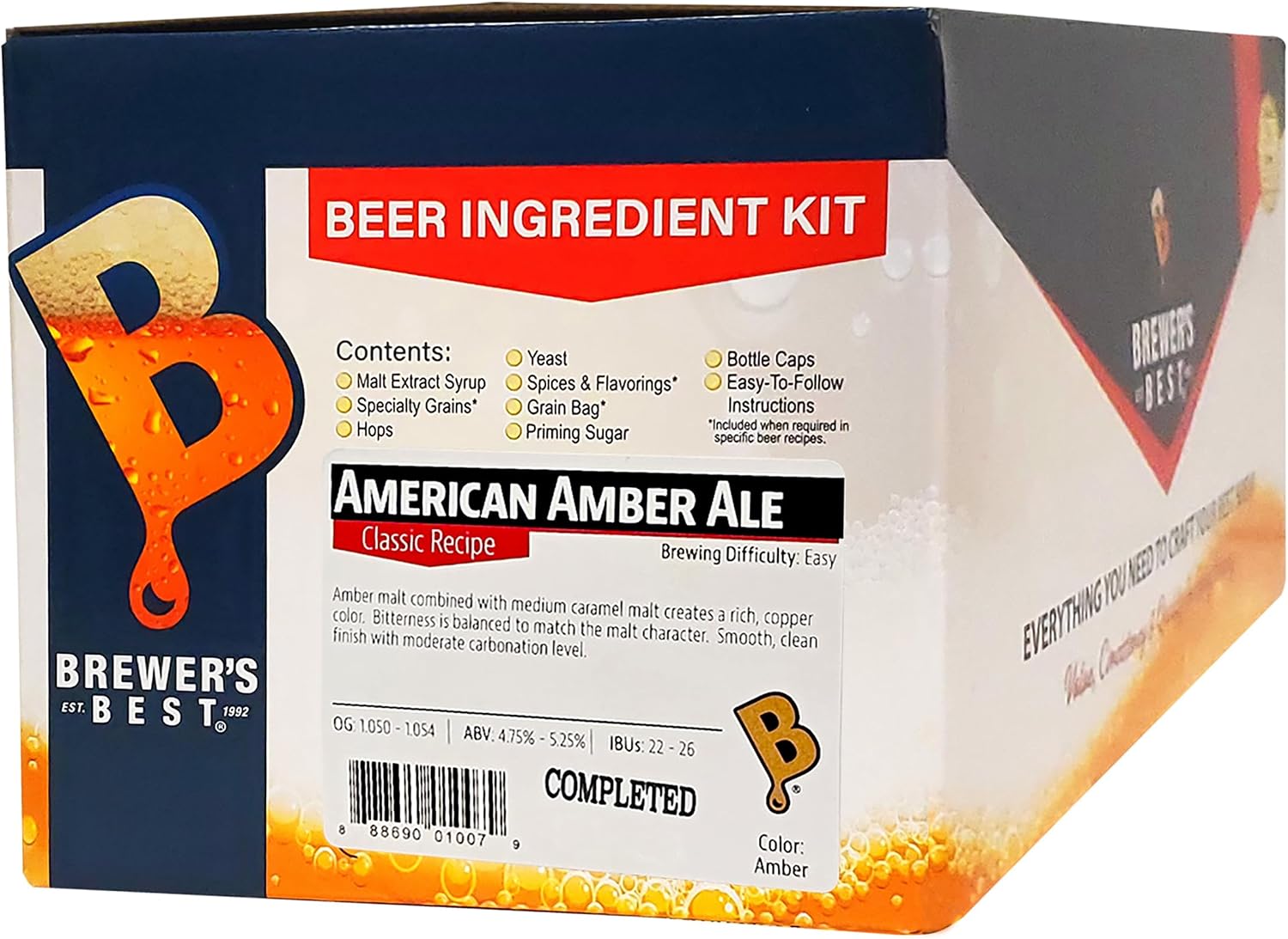
American Amber Homebrew Beer Ingredient Kit
The only item here that ends in beer, and the only one that removes mashing from a beginner's list of things to get wrong
It is someone else's recipe, so you cannot fix a beer that finishes sweeter than you wanted
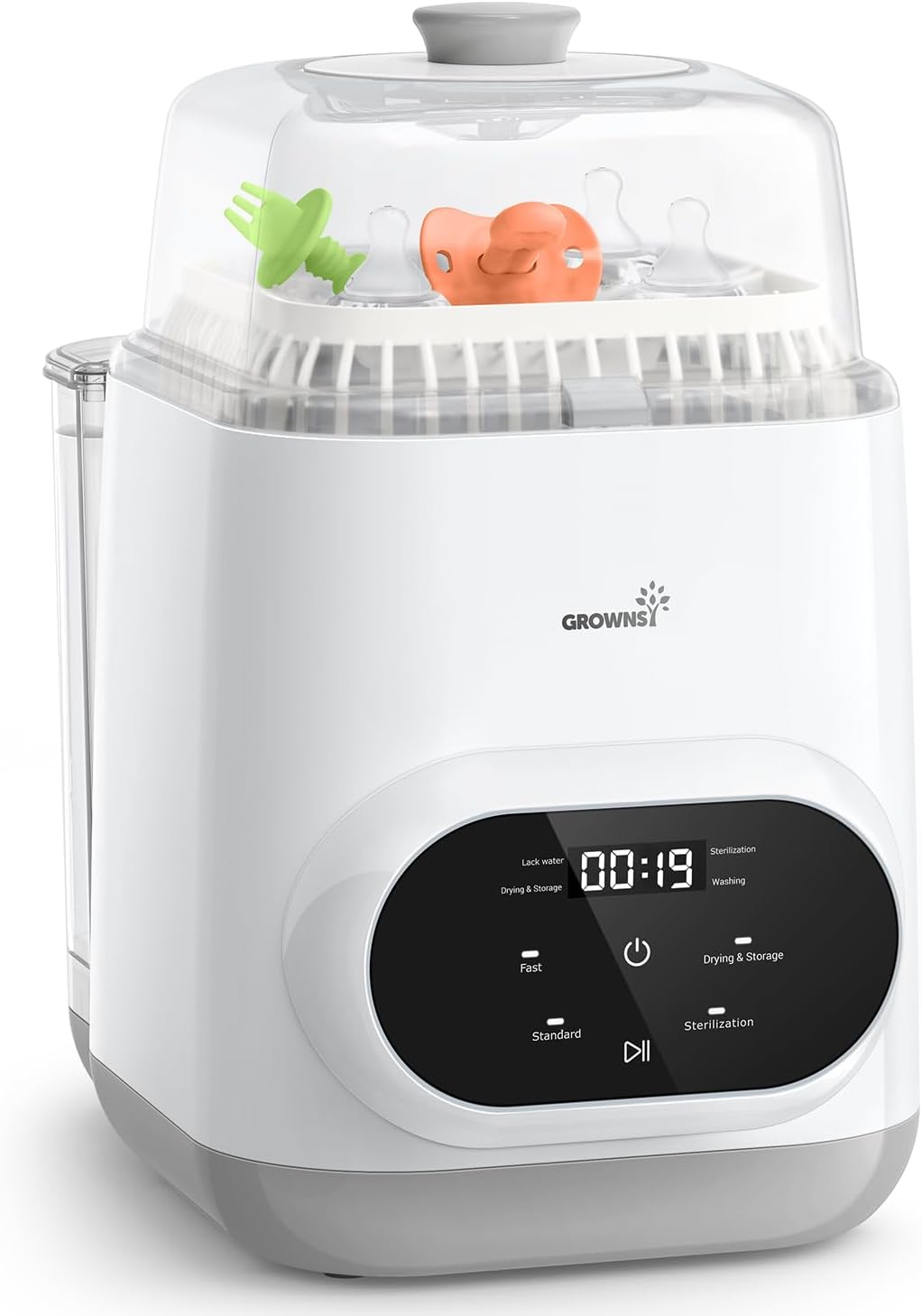
Grownsy EaseClean Bottle Washer All-in-One Washer and Sterilizer and Dryer
Wash, sterilize, and dry in one unit, which is the combination that actually saves your hands
Permanent counter footprint, and no detergent supply named in the listing
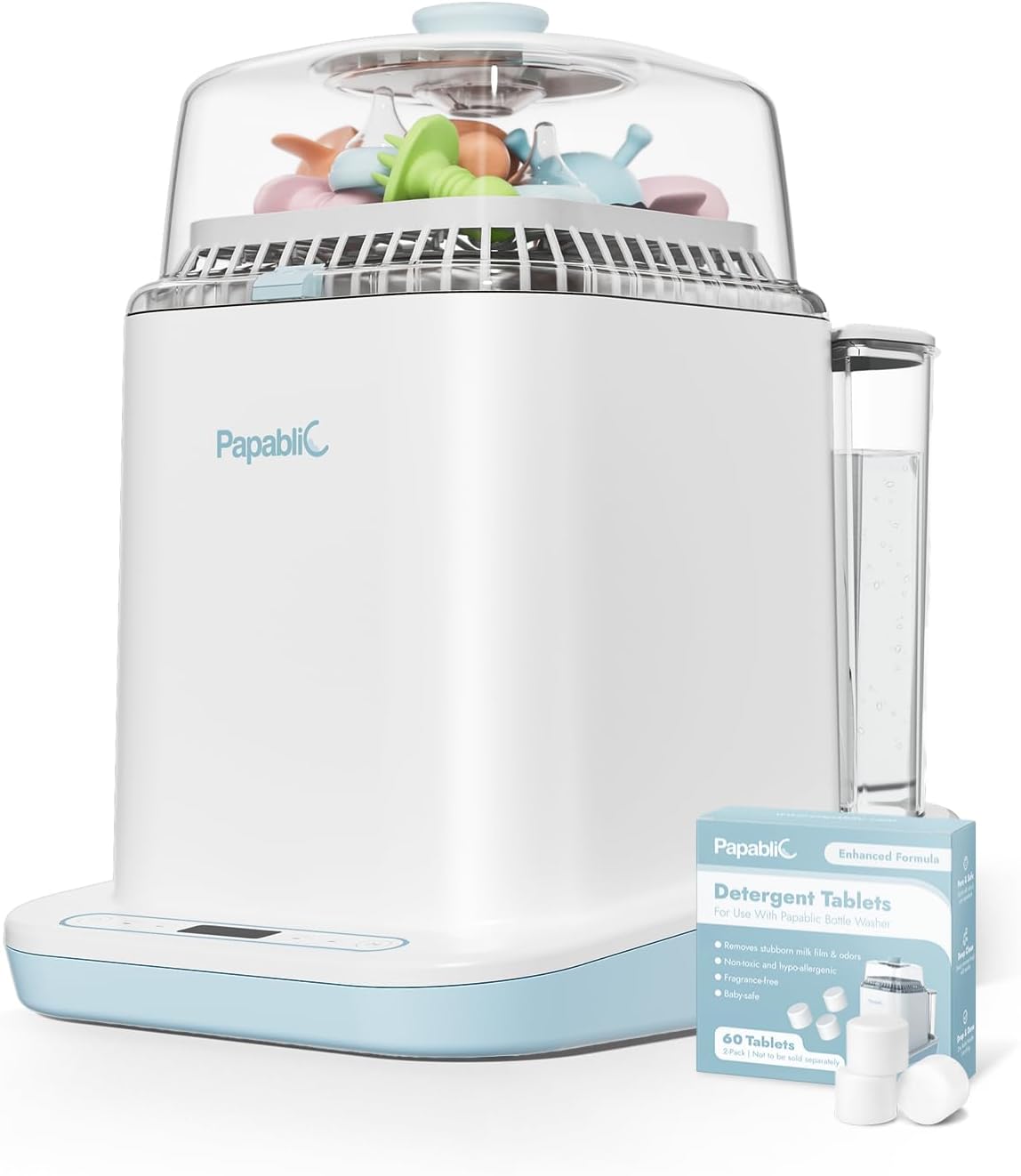
Papablic Bottle Washer Pro, Bottle Washer & Sterilizer & Dryer, 4-in-1 Sanitizer for Bottles, Pump Parts, C-Section& Baby Essentials - Quick & Clean with 60 Detergent Tablets
The listing names the included detergent tablets, so week one has fewer surprises
It overlaps almost entirely with the Grownsy machine, so owning both is wasted money
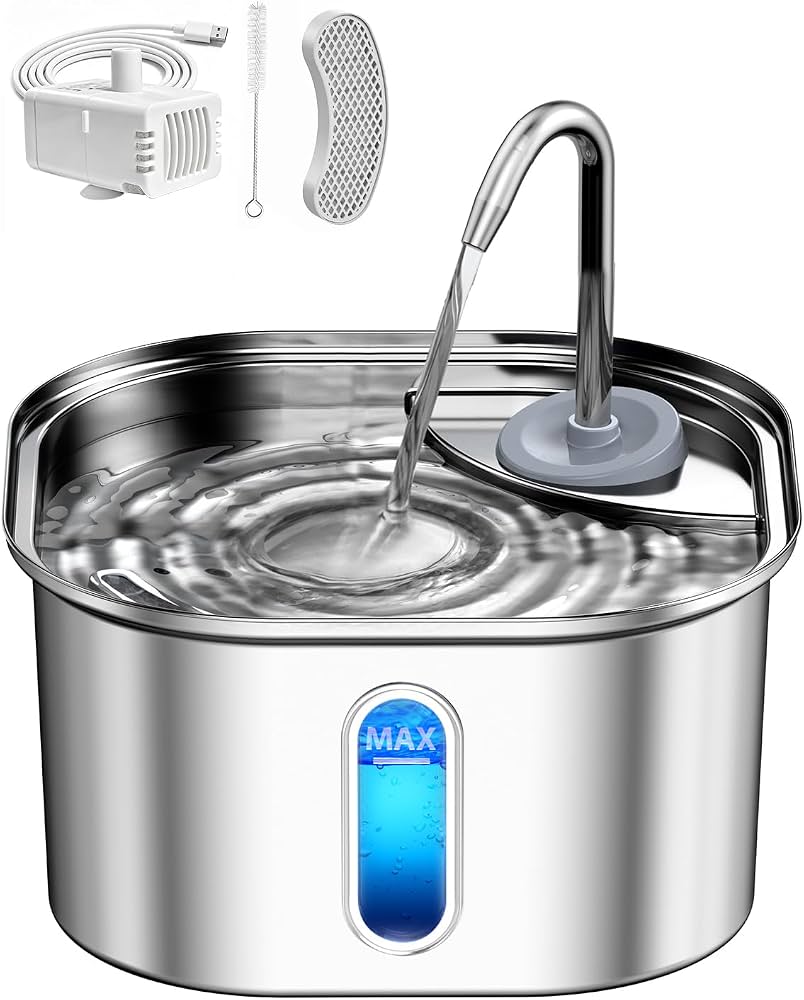
Stainless Steel Cat Water Fountain for Cats Indoor 3.2L 108oz BPA-Free S304
Stainless construction and 3.2L of capacity, which means fewer refills and a material I trust with water
It is not brewing gear at all, and pretending otherwise helps nobody
Prices and availability were captured from Amazon Creators API and may change.
The ingredient kit is the only thing here that makes beer
An extract ingredient kit is the honest entry point into this hobby, and the American Amber Homebrew Beer Ingredient Kit is a classic example of the format. Somebody else mashed the grain, handled the pH, and dealt with the sparge. What lands in your kettle is a known quantity of fermentable sugar with a hop schedule attached, and your variables shrink to the ones that actually ruin beer for beginners: boil volume, chill time, fermentation temperature, and sanitation. My first batch was a scorched disaster on a dorm-room hot plate, and I would have paid real money for the chance to remove mashing from the equation that night.
What an extract kit wins on is repeatability. Hit your volumes, pitch healthy yeast, hold temperature, and you get the same beer twice. That is the entire point of logging OG and FG, and it is why I still write every number down. What an extract kit loses on is control. You did not choose the grain bill, you cannot correct a beer that finishes sweeter than you wanted, and one batch will not teach you what a mash rest does.
An ingredient kit is also not gear, so none of my usual durability logic applies. It either ferments clean or it does not, and you know in three weeks. Amber ales are forgiving and malt-forward, which makes them a reasonable first or fifth batch. If you have never brewed, this is the item on the list that tells you whether you like the hobby before you spend four figures on it.
Two bottle washers, one job
This is where the comparison gets uncomfortable, because the Grownsy EaseClean Bottle Washer All-in-One and the Papablic Bottle Washer Pro are competing for the same outlet. Both wash, sterilize, and dry. The Papablic listing calls itself a 4-in-1 sanitizer for bottles and pump parts and states that it includes 60 detergent tablets. The Grownsy listing describes an all-in-one washer, sterilizer, and dryer and does not name a detergent supply. That difference matters more than any adjective on a box, because a machine that needs a proprietary tablet is a subscription, and a machine that lets you use what you already keep under the sink is not.
What a machine genuinely buys you is drying. Drying is the step homebrewers skip and then blame on the beer. A bottle that air dries on a rack in a humid Michigan kitchen collects dust and spots, and a bottle with standing water in the shoulder is a bottle you did not sanitize properly. If you bottle often, or if your household runs on baby bottles and pump parts, the hands-off dry cycle is the feature that pays for itself.
What it costs you is counter space, a footprint that does not fold away, and the uncomfortable fact that a bucket, a bottle brush, and a no-rinse sanitizer do the same job. These machines are built around bottles and pump parts. They are not built around carboys, kegs, or a five-gallon bottling bucket, so before you buy one for beer bottles, check your bottle dimensions against the manufacturer's stated capacity. Two near-identical machines in one kitchen is not redundancy, it is a mistake. Pick one.
The cat fountain is not brewing gear, and that is the honest verdict
The Stainless Steel Cat Water Fountain is a 3.2L, 108oz, BPA-free S304 unit, and it is here because it shares a counter with everything else in a busy kitchen. It is not brewing equipment and I will not pretend otherwise. Stainless is the material I want holding water long term, for the same reason my kettle and my fermenter fittings are stainless, and the capacity means fewer refills.
The one honest overlap is water itself. Water chemistry is the boring math that makes homebrew taste like a brewery's beer, and I treat my brewing water because I have to. A pet fountain does nothing for that. It keeps a cat drinking and keeps a bowl off the floor. Buy it as a household purchase, judge it as one, and do not let a comparison table convince you it belongs on a brew bench. If you are shopping for a fountain, stainless over plastic is the right call. If you are shopping for beer, this is not it.
What I look for before anything earns counter space
Five questions, in order.
Does it replace a job I already do by hand, and how often do I do that job? A bottle washer that runs four times a week is a tool. One that runs four times a year is furniture.
Can I clean the machine itself? A washer that needs washing is a joke, and the parts that touch dirty water fail first. Seals, drip trays, and pump housings are where I look.
What happens when it quits mid-cycle? My rule is that nothing with a pump gets to live on my brew bench unless I can bypass it. I lost a brew day to a $35 pump that died mid-sparge on batch 41, and I have not trusted a cheap impeller since.
What does it consume? Proprietary tablets, filters, and cartridges are a subscription with extra steps. A machine that locks you into one supply chain is a machine you stop using when the supply runs out.
Does it do a second job? Counter space is the scarcest resource in a home kitchen. Something that only does one thing has to do that one thing extremely well.
None of those questions are about marketing language. They are about whether a product survives a full brew day and then a hundred more.
The trade-offs the bullet points leave out
Cleaning and sanitizing are not the same step, and no machine on this list changes that. Sanitizer cannot reach a surface that is still coated in organic soil, which is why a sterilize cycle on a bottle with dried wort in the shoulder is theater. Soak first, then wash, then sanitize.
Consumables add up quietly. Detergent tablets, replacement filters, and descaling are real costs, and they are the costs people forget when they compare a machine to a bucket.
Drying beats sterilizing for convenience, but it is also the feature that tempts you to skip the soak, because loading a machine feels like doing the work. It is not. It is doing part of the work.
Footprint is permanent. A machine that lives on the counter takes space from the thing you actually use, and a machine that lives in a cabinet gets used less. Be honest about which one you are buying.
And no matter which of these four you buy, you still need a hydrometer. A kit that ships without one is a kit that asks you to guess, and guessing is how my first batch hit 82°F and tasted like banana bubblegum. Gravity readings are not optional equipment. They are the hobby.
Who should buy what
If you have never brewed: the American Amber Homebrew Beer Ingredient Kit, plus a hydrometer, a no-rinse sanitizer, and a bottle brush. Skip both machines until you know you are staying in the hobby.
If you bottle often, or you are washing bottles and pump parts every single day: pick one washer, not two. The Papablic Bottle Washer Pro is the one whose listing names the included detergent tablets, which means fewer surprises in week one. The Grownsy EaseClean is the same category of machine without a stated tablet supply, so budget for your own detergent.
If your sink time is mostly carboys, kegs, and a bottling bucket: neither machine solves your problem. Buy a bigger bucket and a better brush.
If you are shopping for a cat: the fountain, as a separate purchase, judged on its own terms.
What I am watching next
I am building a survivability score for the gear I rank, weighting how many full brew days a product survives before it leaks, foams over, or quits, and the countertop machines in this comparison are exactly the kind of gear that score is designed to catch. Appliances in this category fail in the same three places every time: seals, pumps, and anything electronic that touches steam. I am also stress-testing pressure fermenters to see whether they actually shorten the pipeline from brew day to glass, because that is the only upgrade that changes how often you brew.
None of this is glamorous. The best money I have spent in twelve years went to a hydrometer I calibrate in distilled water, a proper mash tun, and a bottle brush that does not shed bristles. If you take one thing from this comparison, take the order of operations: buy the thing that makes beer first, buy the thing that saves your hands second, and never buy two machines for one job.