I brewed my first batch in 2014 on a dorm-room hot plate with a Mr. Beer kit that scorched so badly I thought I had invented a new style. I still call it burnt adjunct lager. Twelve years and 50-plus logged batches later, every brew day starts the same way: hydrometer calibrated in distilled water at 60°F, date and strike temp written in the notebook, and a hard look at whatever vessel is about to hold wort. That habit is why I care less about which home brewing starter kit has the best box art and more about which one gets you to batch two without quitting.
Here is what most kit comparisons miss. The four products below are not four versions of the same purchase. They are four different jobs on one brew day. One is the on-ramp, one is the refill, one is a small-ticket line item, and one is the piece of garage infrastructure that stops you from balancing a bottling bucket on a patio chair.
The best first purchase for most people in 2026 is the Mr. Beer Craft Beer Making Kit, because it puts a complete small-batch pipeline in one box and keeps the first brew day short and the cleanup shorter. The American Cream Ale ingredient kit is the right second purchase, the folding work bench is the upgrade that quietly fixes half of your brew-day problems, and The Quiet One is the cheapest thing here, the item you add once you already know why you need it.
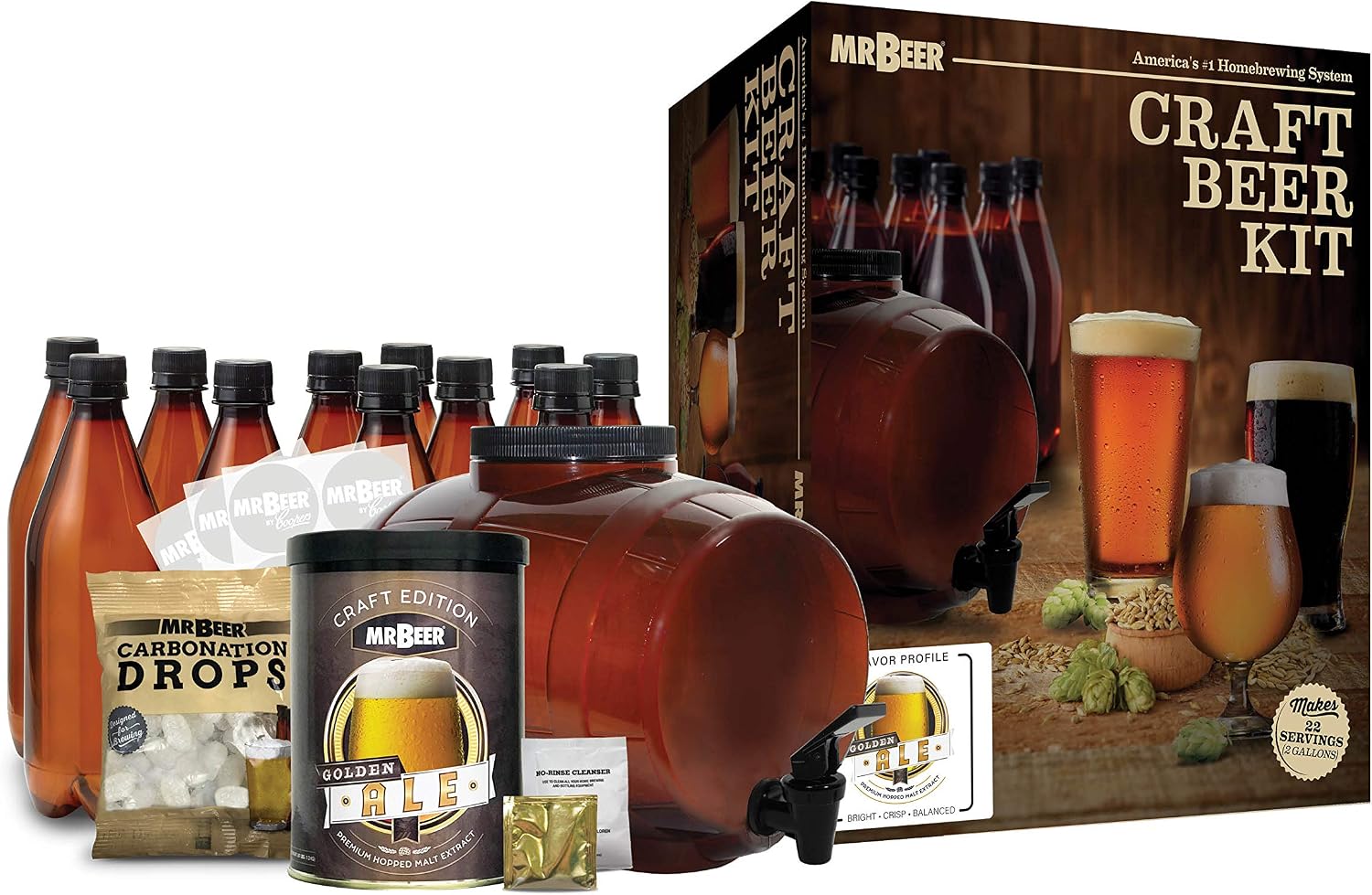
Mr. Beer - Craft Beer Making Kit (2 Gallon) Complete DIY Home Brew Set
Everything a first batch needs in one box, and a 2 gallon size that fits a kitchen counter
The plastic fermenter spigot is the first part to fail, so buy a spare on day one
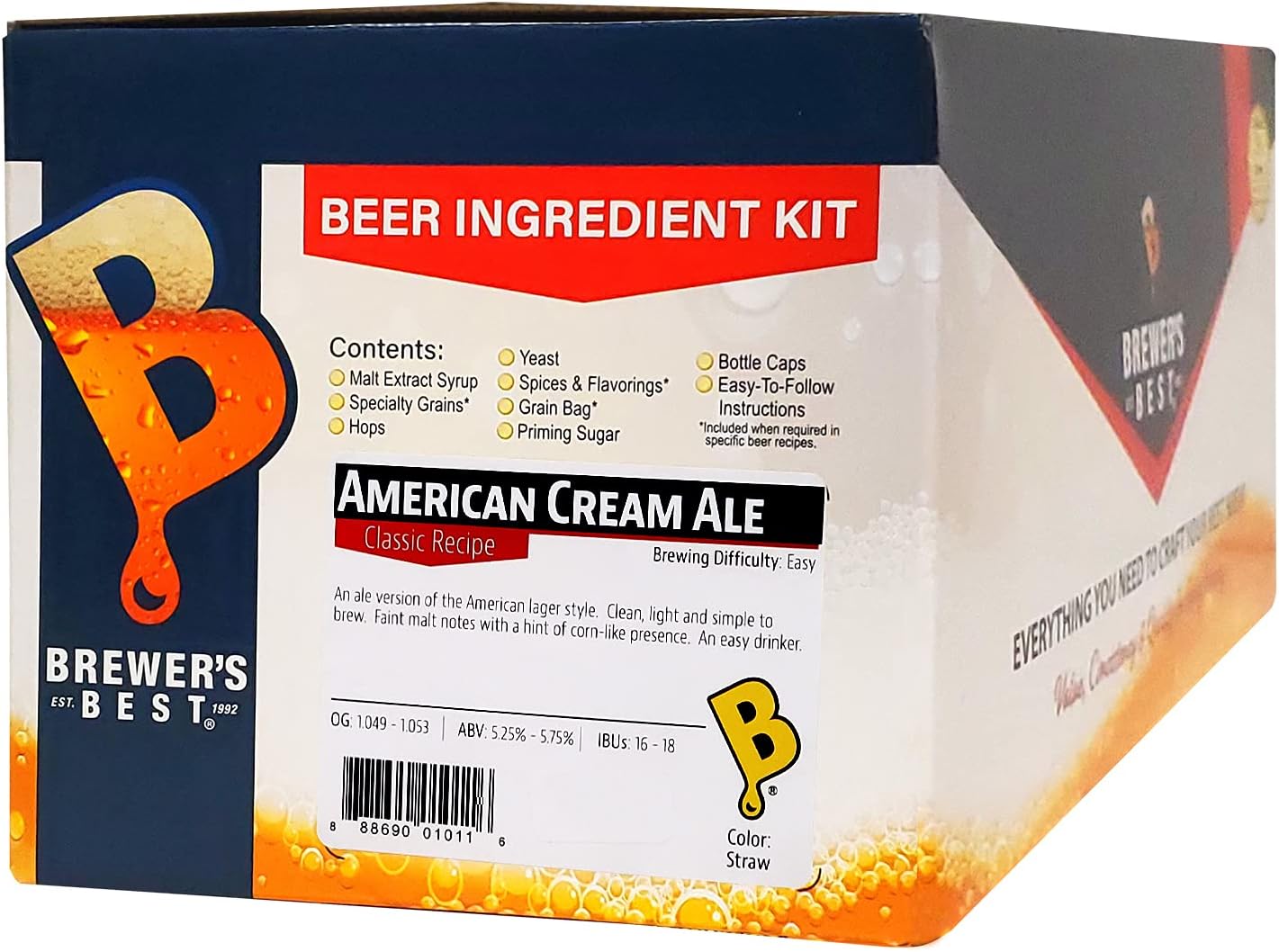
American Cream Ale Homebrew Beer Ingredient Kit
A forgiving style that rewards clean technique, and a good second batch
Ingredients only, so it is dead weight until you own a fermenter and bottles

The Quiet One
The lowest-cost line in this comparison and a low-risk add to any order
Supporting cast only, and cheap small gear is exactly where beginner budgets leak
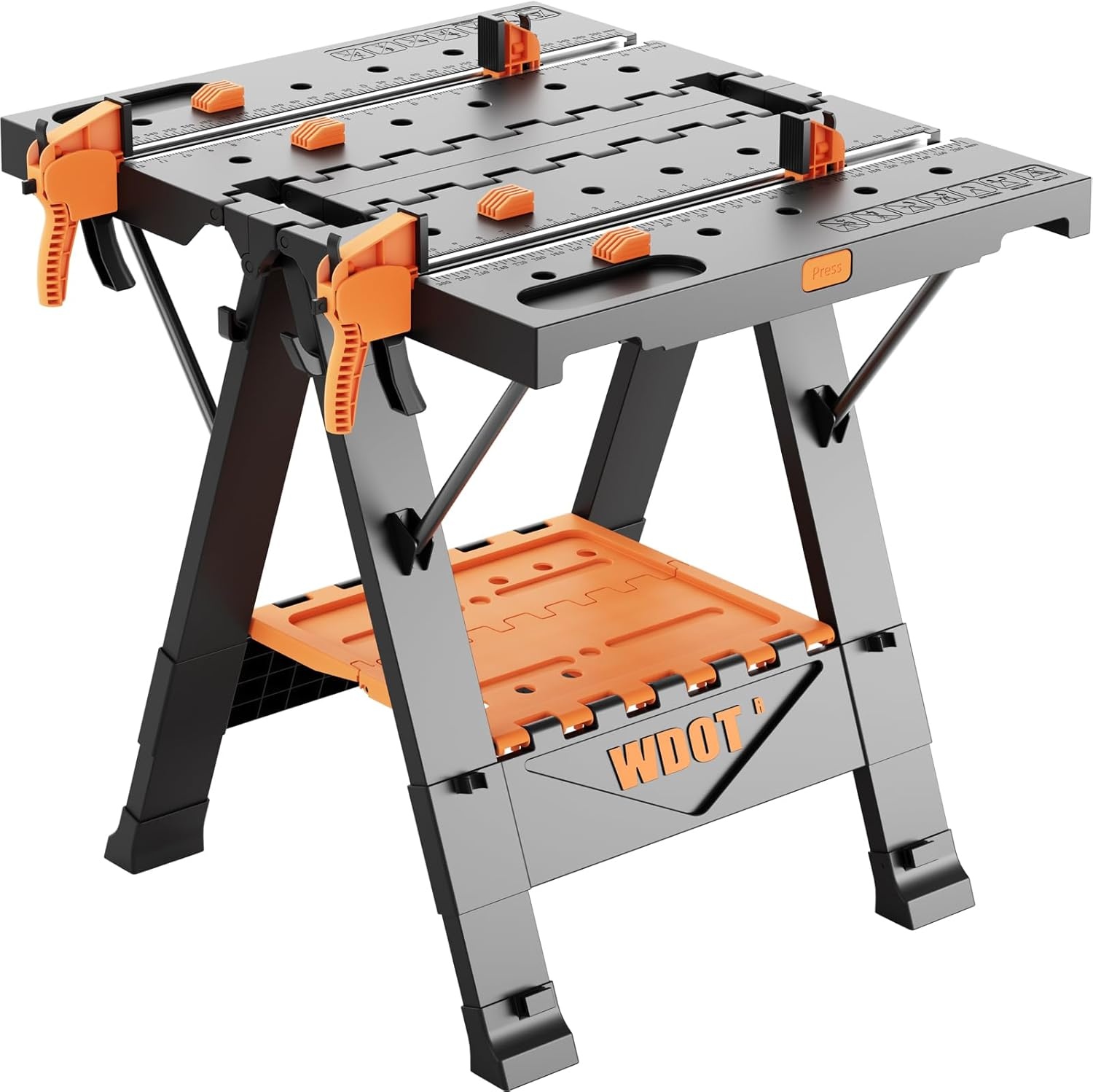
Portable Folding Work Bench Table 2-in-1 with 2 Clamps & 6 Bench Dogs
Gives you a real, level work surface anywhere in the garage or driveway
It is a bench, not brewing gear, so it does nothing for the beer itself
Prices and availability were captured from Amazon Creators API and may change.
How I sort gear for a first brew day
Three questions decide everything on my bench. Does it survive a full brew day without failing while it is in use? Does it remove a decision from the person using it, or add one? And does it still have a job after batch ten, or does it become clutter in a box labeled maybe sell?
That last question kills more beginner gear than anything else. The hobby is full of items that solve a problem you have exactly once, and the money spent on those is money you cannot spend on the things that make beer better. A fermenter that seals properly. A bottling setup that does not drip on the floor. A work surface that is flat and stable when a full kettle is sitting on it.
The measurement question sits above all three. You cannot brew consistently if you cannot measure, which means a hydrometer or a refractometer is not optional equipment, it is the tool that tells you whether the yeast finished. Every batch I log gets an original gravity and a final gravity reading, and the gap between those two numbers is the only honest answer to the question of whether the beer is done. A kit that ships without a way to measure gravity is a kit that teaches you to guess. I do not recommend guessing.
The four items, and the job each one actually does
The Mr. Beer Craft Beer Making Kit is the on-ramp
This is the product that gets a person from curious to brewing in a single order. The listing describes a 2 gallon complete set with reusable 25 ounce bottles, a 2 gallon keg, and a Golden Ale batch to start with. That combination matters more than it looks like on paper, because it removes the three decisions that stall most beginners: what vessel, what bottles, and what beer.
The 2 gallon batch size is the smart part. It is small enough to chill in a normal refrigerator, small enough to boil on a kitchen stove without a propane burner, and large enough that you end up with a real case of beer rather than a science experiment. My own start was on a kit in this family, and the lesson I took from it was not about the recipe. It was that the whole process fits in an afternoon, which is the difference between a hobby and an abandoned project.
Two honest trade-offs. First, nothing in the product name mentions a hydrometer, and if one is not in the box, that is the first thing I would add to the order. Second, the plastic spigot on a small fermenter is the single most common failure point in home brewing. It works fine for a while and then it starts to weep at the seam. A replacement spigot costs almost nothing and it is the difference between a clean packaging day and a sticky floor. Buy one before you need it.
The American Cream Ale ingredient kit is the refill
Once the equipment exists, the purchase that matters is ingredients, and this is where I would go next. Cream ale is a style I recommend to new brewers without hesitation. It is clean, it is low in bitterness, and it is not a style that hides mistakes. If your sanitation slipped or you fermented too warm, you will taste it in a cream ale, which is exactly the feedback a beginner needs.
That is the argument for buying this instead of a heavy, dark, high gravity recipe for batch two. A stout with a lot of roasted grain can mask a surprising amount of process error. A cream ale cannot. It will tell you the truth about your fermenter, your temperature control, and your patience, and it will still be drinkable while it does it.
The trade-off is obvious and it is not a flaw: this is ingredients only. No fermenter, no bottles, no airlock, no capper. If you have not bought equipment yet, buying this first means buying a box that sits in the pantry. In the buying order below, it comes second for that reason and only that reason.
The Quiet One is the small-ticket line
This is the cheapest item in the comparison, and I want to be straight about how I am treating it. I am judging it on cost and on role, not on a spec sheet adjective. Small accessories are where beginner budgets quietly leak, because each one looks trivial and the total does not. That is the pattern I have watched friends repeat, and it is the pattern that left me with a drawer of parts I bought twice because the first one was the cheap version.
The case for adding it to an order is simple: at this price the downside is small and the role is supporting cast. It is not a centerpiece and it should not be treated as one. If you are assembling a first setup, the money that actually changes your beer goes into the fermenter, the cleaning supplies, and a way to measure gravity. Small items fill gaps after those are handled, not before.
The case against it is the same case I make against every cheap small part. When a low-cost item fails, it usually fails in the middle of a brew day, at the moment you are least able to stop and drive to a store. That is why my rule for anything under the price of a pizza is the same as my rule for a kettle: it has to survive contact with a full brew day, or it does not earn shelf space.
The folding work bench is brew-day infrastructure
Nobody puts a work bench on a beginner brewing list, and that is exactly why it belongs on this one. The listing describes a 2-in-1 folding table with two clamps and six bench dogs, and the part that matters for brewing is not the clamping. It is the word folding combined with the word bench. A stable, level surface that stores flat and sets up in a garage or driveway solves a problem every small-batch brewer has on packaging day.
Here is the scenario I have lived. You are racking finished beer out of a fermenter into a bottling bucket or a keg, and the whole operation depends on gravity and on nothing moving. If the receiving vessel is on a patio chair and the fermenter is on a cooler, you are one nudge away from a spilled batch and a very long cleanup. A bench with a real working height fixes that in one purchase.
The honest trade-off is that this item does nothing for the beer itself. It will not improve your attenuation, your hop utilization, or your fermentation temperature. What it improves is the reliability of every manual step, and reliability is the thing that separates a hobby you keep from one that ends with a sticky garage floor and a box of unused gear. If your brewing space is a kitchen counter, you may not need it yet. If it is a garage, it is the quiet upgrade that makes everything else easier.
The order I would buy them in
Stage one is the Mr. Beer Craft Beer Making Kit, plus a hydrometer if the box does not include one and a spare spigot. That gets you through a first batch and a second one, and it teaches you the rhythm of a brew day: clean, brew, chill, pitch, wait, package.
Stage two is the American Cream Ale ingredient kit. By this point you own the equipment, so you are buying beer rather than hardware, and you are buying a recipe that will tell you honestly whether your process is clean. Brew it twice if you can. Two identical batches with one variable changed is how you learn what actually matters, and it costs less than buying a new gadget.
Stage three is the work bench, and it is the stage people skip. It does not feel like brewing gear, so it sits at the bottom of the list until the day you are balancing a full bottling bucket on a step stool. Buy it before that day.
The Quiet One fits anywhere in that sequence, because at the cheapest price in this comparison it is a rounding error in the budget. I would still buy it last, after the three purchases that change what your beer tastes like.
Trade-offs nobody puts on the box
Batch size is the first one. A 2 gallon setup is a fantastic learning platform and a frustrating long-term system if you drink more than a case a month, because you will be brewing constantly to keep up. The upside is that small batches mean small mistakes, and small mistakes are cheaper to learn from than five gallons of ruined beer.
Fermenter hardware is the second. Plastic is fine. Plastic is what most of us use. But every plastic fermenter I have owned has eventually leaked at a spigot or a seal, and the failure is always slow and always at the worst time. Treat spigots and seals as consumables, not as permanent parts.
Ingredient freshness is the third, and it is the one beginners cannot see. Extract goes stale, and stale extract produces a beer with a dull, sweet, flat character that no amount of dry hopping will fix. Buy ingredient kits from a source that moves volume, and brew them sooner rather than later.
Space is the fourth. A folding bench that stores flat is worth more than a heavier bench that becomes a permanent obstacle in the garage, because a bench you have to walk around is a bench you stop using.
What I am testing next
The 2026 version of my gear rankings is being built around a survivability score: how many full brew days a product completes before it breaks, leaks, or foams over. It is a boring metric and it is the only one that has ever predicted whether a piece of equipment stays on my stand. The Mr. Beer kit scores well on the day-one column and poorly on the spigot column, which is exactly the kind of split that a single brew day would never reveal.
The other thing on the bench is pressure fermentation, and whether it actually shortens the pipeline from brew day to glass or just adds a new set of variables to manage. When I have logged enough batches to say something honest about it, you will read it here. Until then, buy the kit, buy a hydrometer, and write down your numbers. The gear is only as good as the log you keep next to it.