Most brew day failures are not recipe failures. They are equipment failures: a kettle that foams over at minute 40, a fermentation that runs at whatever temperature the garage happens to be, a yeast starter that never gets going because the flask sat still on the counter. Home brewing equipment is the part of the hobby that decides whether your numbers land where the recipe said they would, and it is also the part where a published specification can tell you most of what you need to know before you spend anything. This guide covers six pieces of home brewing equipment that solve different parts of that problem, from the vessel that holds the boil to the controller that holds a fermentation temperature and the small tools that keep a brew stand running.
Related: How to Read OG and FG Without Second-Guessing Your Hydrometer
Quick answer
The VEVOR Brew Kettle 5 Gal is the strongest fit for brewers who need one dependable boil vessel because it combines a stainless steel body, a tri-ply bottom, and an included filter and filter tray that handle the boil and the trub separation in the same piece of equipment. Choose the WH2408 Temperature Controller 10A 1200W instead when the boil is already handled and fermentation temperature is the variable you cannot control.
Home brewing equipment worth comparing
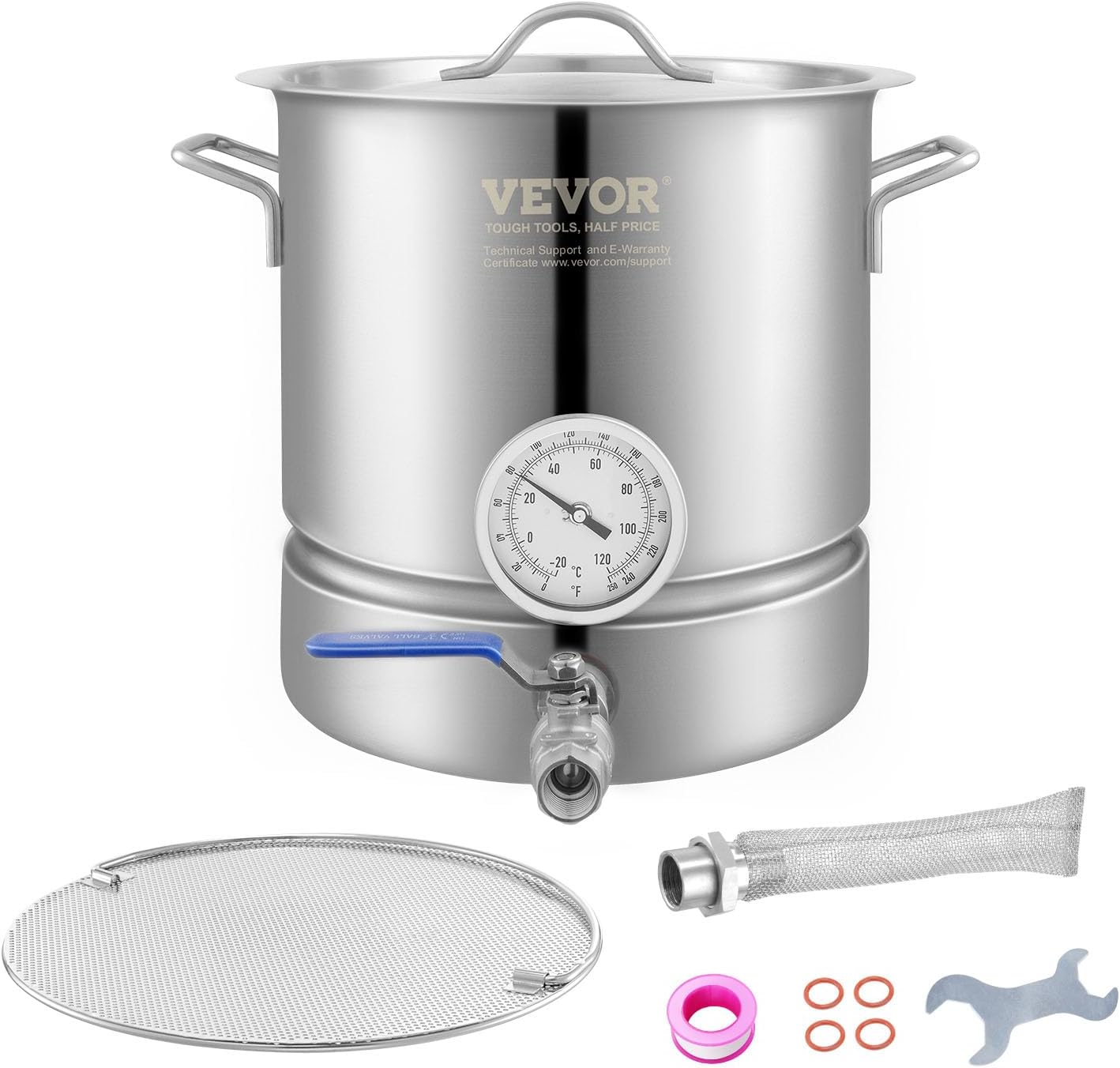
VEVOR Brew Kettle 5 Gal, Brewing Pot Stainless Steel, Brew Kettle Pot for Beer Brewing with Filter&Filter Tray, Tri Ply Bottom
A 5-gallon stainless steel brew kettle with a tri-ply bottom and an included filter and filter tray, sized to cover the boil and the trub separation in a single vessel.
Visit on Amazon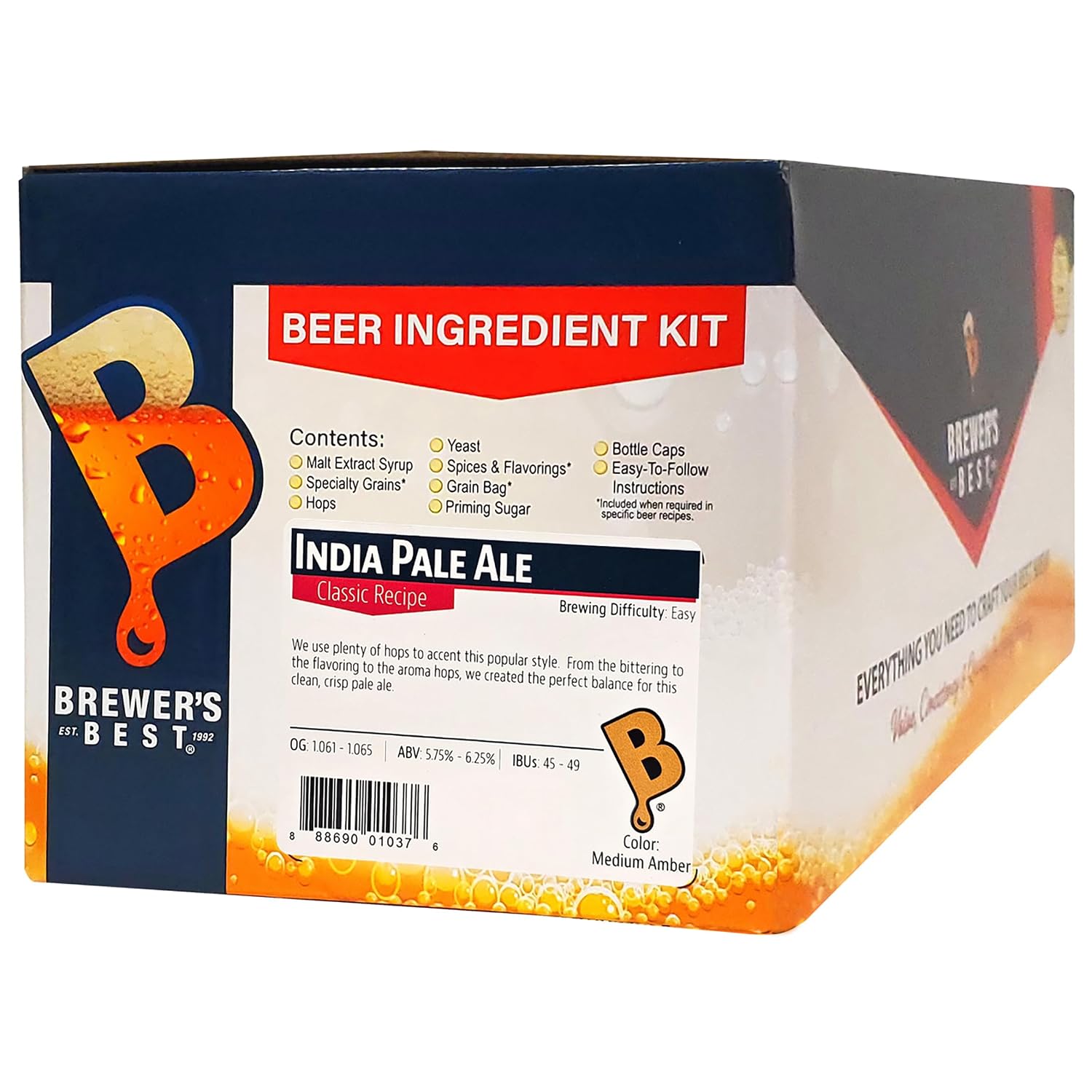
India Pale Ale Homebrew Beer Ingredient Kit Brewers Best
An India Pale Ale ingredient kit for brewers who want a hop-forward batch without formulating the recipe themselves.
Visit on Amazon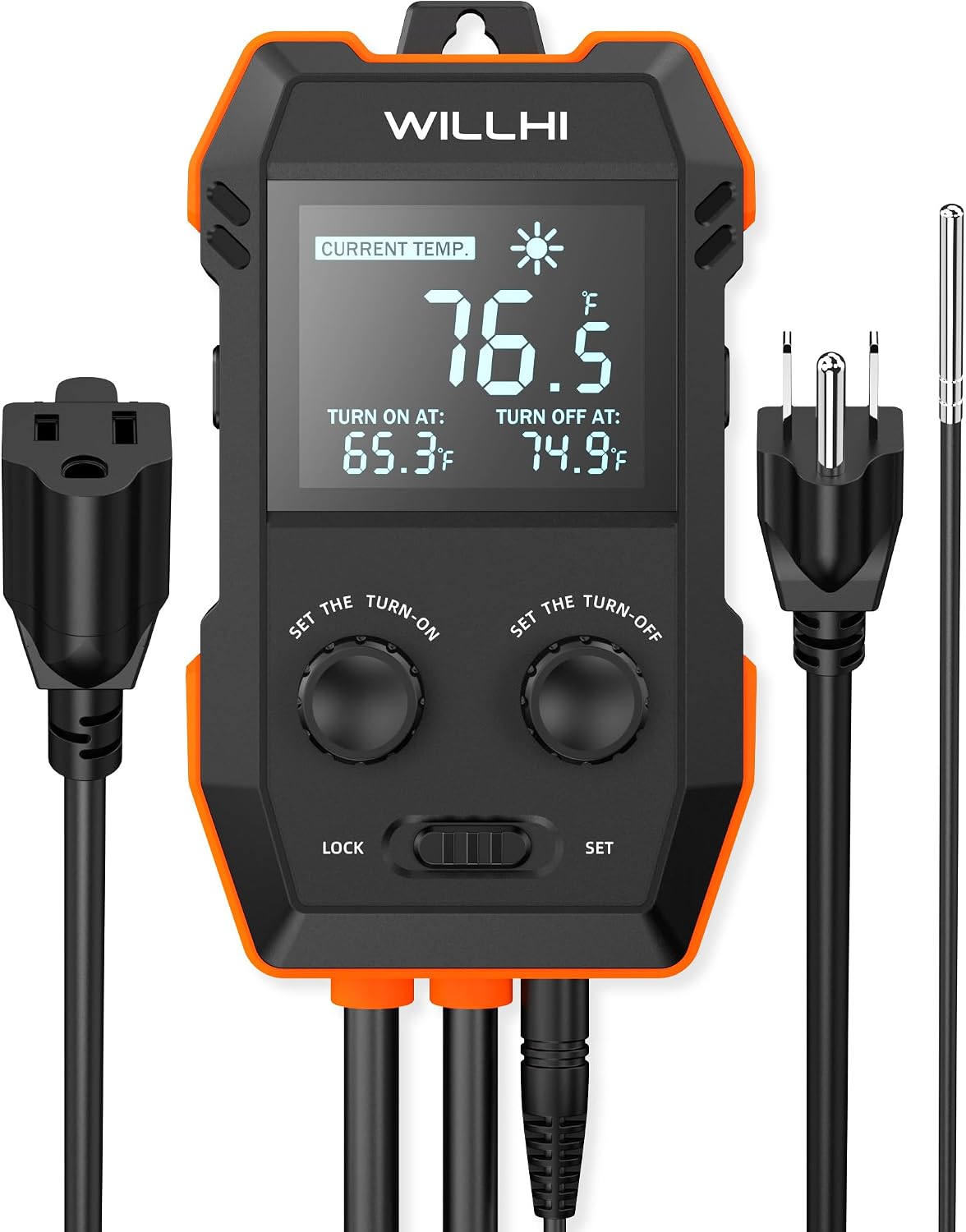
WH2408 Temperature Controller 10A 1200W (Pack of 1)
A temperature controller rated at 10A and 1200W for holding a fermentation chamber or heating device at a set point instead of leaving it to ambient temperature.
Visit on Amazon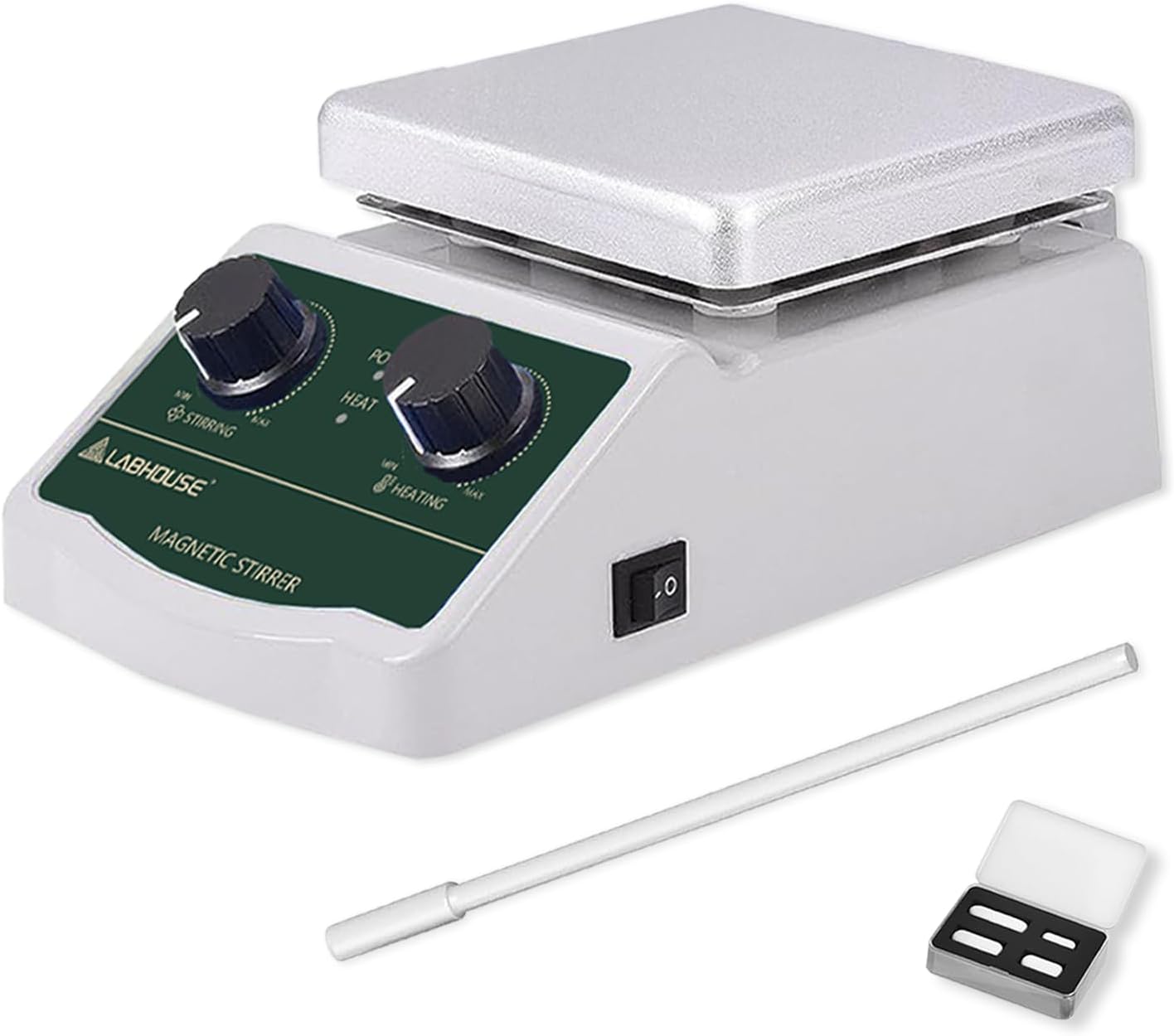
LHS-2 Magnetic Stirrer Hot Plate, 300°C/572°F, 2000RPM, 2L
A magnetic stirrer hot plate with a 2000RPM stir range, a plate rated to 300°C / 572°F, and a 2L working capacity that matches a starter flask.
Visit on Amazon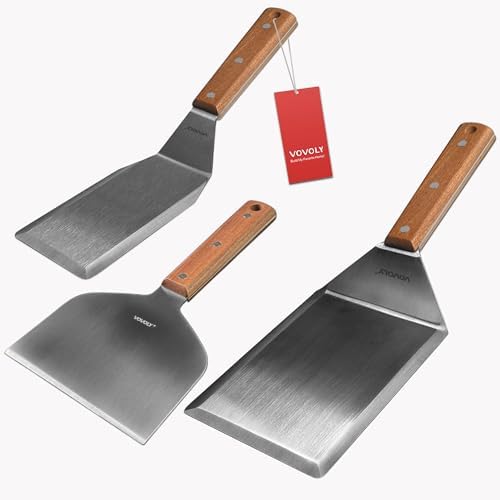
Stainless Steel Metal Spatula Set For Griddle, Grill Spatula Scraper for BBQ/Flat Top Grill- Full Tang Handle -Thicked Blade- Beveled Edges, Great Griddle Accessories for Pancake/Smash Burgers
A stainless steel spatula and scraper set with full tang handles, thickened blades, and beveled edges, sold as griddle gear but built around a stiff, flat blade.
Visit on Amazon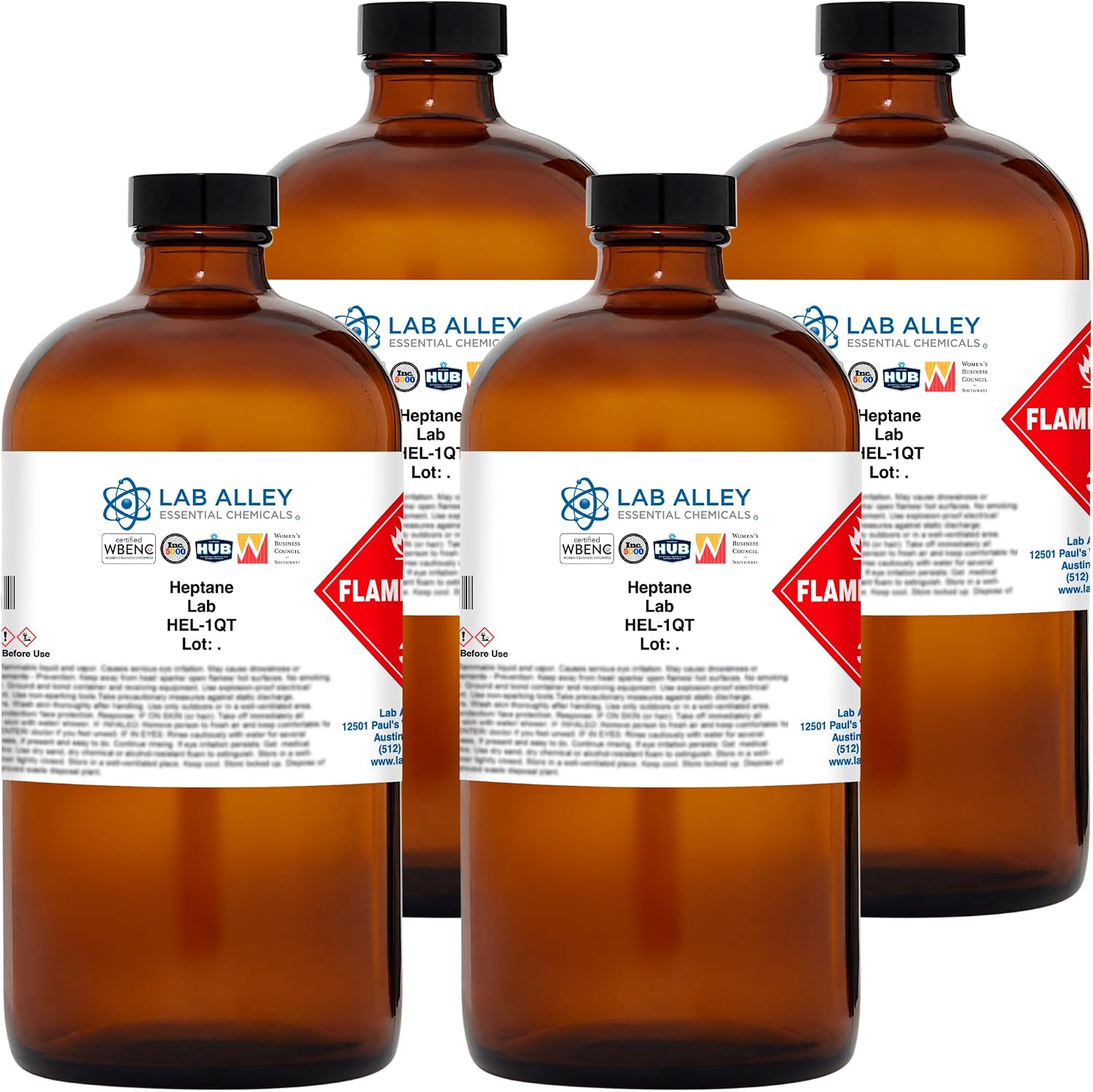
Lab Alley Heptane Lab Grade Solvent, n-Heptane Chemical Solvent for Cleaning, Sample Preparation & Nonpolar Applications, 1 Gallon (4 x 1 Quart Bottles)
Lab grade n-heptane, a nonpolar solvent supplied as one gallon in four 1-quart bottles, intended for cleaning, degreasing, and sample preparation work.
Visit on AmazonPrices and availability may change. Check the retailer for current details.
How these products were compared
This guide compares batch size and capacity fit, material and build specification, control range and power rating, cleaning and maintenance demands, and how each item fits a brew stand you already own. Product names, images, and retailer links are matched to the same product record so that every card points to the product shown, and the ordering reflects how much of a brew day each item touches rather than how much it costs.
Nothing in this roundup is presented as hands-on testing. Each entry is described from the manufacturer's published specifications and from general brewing practice. Where a number appears in this article, it comes from the product's own listing: the 5-gallon kettle capacity, the 10A and 1200W controller ratings, the 2000RPM and 300°C / 572°F stirrer figures, the 2L working volume, and the 1-gallon solvent pack size. Confirm current price, availability, and return terms through the retailer link before you buy.
How to choose the right piece of home brewing equipment
Start with the volume you actually brew and work backward from it. A 5-gallon kettle is a common size, but a full-volume boil starts with more liquid in the pot than ends up in the fermenter, so a vessel sized exactly to your batch leaves nothing for the boil itself. Headroom above the wort line is the specification nobody prints on the box, and it is the one that decides whether you spend the last twenty minutes of a boil standing over the kettle with a spray bottle. Look at the base construction as well: a tri-ply bottom spreads heat across the bottom of the pot instead of concentrating it in a ring, which matters most on a gas burner or a coil element. If the kettle includes a filter and filter tray, that is one less transfer and one less piece of gear to buy, but it is also one more set of surfaces that has to come apart and get cleaned after every batch.
Then decide which variable you cannot currently control, and buy only that. If your fermentation drifts with the garage, a temperature controller with a real set point does more for your beer than any kettle upgrade. If your starters finish flat and slow, a stir plate is the fix. If the bottom of your kettle has a baked-on ring of trub that a sponge will not touch, cleaning tools are the honest purchase. Brewing equipment is not a collection, and the strongest setups I have seen are the ones where every piece answers a specific problem. If measurement is your weak point rather than hardware, start with the numbers instead: how to read OG and FG covers that before you spend anything else.
VEVOR Brew Kettle 5 Gal
The VEVOR Brew Kettle 5 Gal is a stainless steel brewing pot built around a 5-gallon capacity, with a tri-ply bottom for heat distribution and an included filter and filter tray for separating hop material and trub from the wort. Stainless steel is the right default material for a boil vessel because it does not react with wort, it does not hold onto hop aromatics the way a scratched plastic bucket can, and it can be cleaned with the same alkaline cleaners you already use on the rest of the stand. The filter and filter tray change the workflow in a useful way: instead of pouring the whole kettle through a separate strainer on the way to the fermenter, the separation happens in the vessel you were already cleaning.
The trade-off is capacity and cleanup. A 5-gallon kettle and a 5-gallon batch are not the same number once the wort is at a rolling boil, and a filter tray adds a part that has to be lifted out and cleaned while it is still hot. A tri-ply bottom also makes the pot heavier than a thin single-layer kettle of the same volume, which is a small daily annoyance and a real consideration if you lift the pot to pour. Those are genuine costs, and they are the reason a larger kettle is often the better long-term buy for a brewer who plans to move to full-volume boils later.
Alternatives to consider
The WH2408 Temperature Controller 10A 1200W is better suited to a brewer whose boil is already solved and whose fermentation temperature is drifting with the weather. A controller rated at 10A and 1200W is built to switch a heating or cooling device against a set point, which turns a fermentation chamber, a heat wrap, or a spare fridge into a temperature-controlled space rather than a room that happens to be 68°F in October and 74°F in July. The India Pale Ale Homebrew Beer Ingredient Kit is a stronger fit when the equipment is in place and the next question is what to brew: it puts a hop-forward IPA in front of you without recipe formulation, which makes it a reasonable first or second batch once the kettle and the fermenter are sorted.
The LHS-2 Magnetic Stirrer Hot Plate, the Stainless Steel Metal Spatula Set, and the Lab Alley Heptane Lab Grade Solvent cover the smaller, less glamorous jobs. The stirrer hot plate is a 2000RPM unit with a 300°C / 572°F plate and a 2L capacity, which is the size class that matches a starter flask and a stir bar. The spatula set is sold as griddle gear, with full tang handles, thickened blades, and beveled edges, and it earns a place near a brew stand because a stiff, flat stainless blade scrapes dried trub and kettle residue off flat surfaces without shredding the way a plastic scraper does. The heptane is a nonpolar lab grade solvent supplied as one gallon in four 1-quart bottles, and it belongs in the cleaning, degreasing, and sample preparation category rather than anywhere near the wort.
Day-to-day use and maintenance
The routine that keeps a brew stand working is boring and consistent. Rinse the kettle as soon as the wort is out, because dried trub sets hard and the bottom of a tri-ply pot is the last place you want to be chipping at with a metal tool. Take the filter and filter tray apart after every batch, clean both, and let them dry separately rather than stacking them wet. Clean and sanitize anything that touches wort after the boil ends, and treat the fermenter, the siphon, and the starter flask as the highest-risk surfaces in the whole process, because they are the ones that sit wet between batches.
Temperature control deserves the same discipline. A controller holds a set point, but the probe has to be measuring the thing you care about, so tape it to the side of the fermenter or drop it into a thermowell rather than leaving it hanging in the air of the chamber, where it will read the room instead of the beer. The stirrer hot plate is a lab style device for starters, not a wort heater: the stirring function is the one brewers use, the hot plate should only be run with glassware rated for it, and a stir bar that does not spin just means a starter that never aerates.
The heptane is the one item here that needs a safety note rather than a workflow note. It is a flammable lab grade solvent, it is not a food-contact cleaner, and it should be used with ventilation, gloves, and eye protection, stored away from ignition sources, and kept strictly away from anything that will touch beer. Follow the manufacturer's safety documentation, use it only for cleaning and sample preparation work on equipment parts you can rinse completely afterward, and dispose of it the way your local rules require.
Buying checklist
- Measure your boil volume and the headspace above it, not just your batch size.
- Choose capacity and power rating based on the batches you brew most often rather than one large batch a year.
- Confirm that the exact model includes the filter and filter tray, the probe, or the accessories you are counting on.
- Read the cleaning and maintenance instructions before the first brew day, not after it.
- Verify the current retailer price, availability, and return terms through the link on the product card.
Final recommendation
Choose the VEVOR Brew Kettle 5 Gal when the boil is the weak point in your setup and you want a stainless vessel with a tri-ply bottom and an included filter and filter tray to handle the wort side of the day. Choose the WH2408 Temperature Controller 10A 1200W when the boil is already handled and fermentation temperature is the variable that is costing you consistency. The ingredient kit, the stirrer hot plate, the spatula set, and the heptane each answer a narrower question, and each is worth buying only when that question is the one in front of you. If none of these differences matter for the batches you actually brew, the honest answer is to keep your money and spend the next brew day measuring instead.