The last time I cleaned out my Amazon cart, four unrelated things were sitting in it: a ten pack of swing-top bottles, a coil of stainless tubing, a fifty pound bag of calcined clay, and a pet water fountain. That cart is the reason this home brewing gear comparison exists. If you brew at home, your cart probably looks the same, because outfitting a brewery is half brewing equipment and half solving the small problems around it. A garage floor that goes sticky after a boilover. A fermentation corner that smells like a wet basement. A kettle of wort that takes an hour to cool because you are still chilling in the kitchen sink. A cat that refuses to drink out of a bowl.
Two of these four are brewing gear. Two are household items that happen to solve problems brewers eventually have, and I am going to be straight about which is which, because the fastest way to waste money in this hobby is buying the thing that looked good in a listing instead of the thing that fixes the problem in front of you.
If you chill with an ice bath, the 15-foot stainless immersion chiller is the biggest single upgrade on this list. If you bottle, the flip-cap amber bottles are the best value per dollar. The other two are honest household utility buys, and I will tell you exactly when to skip them.
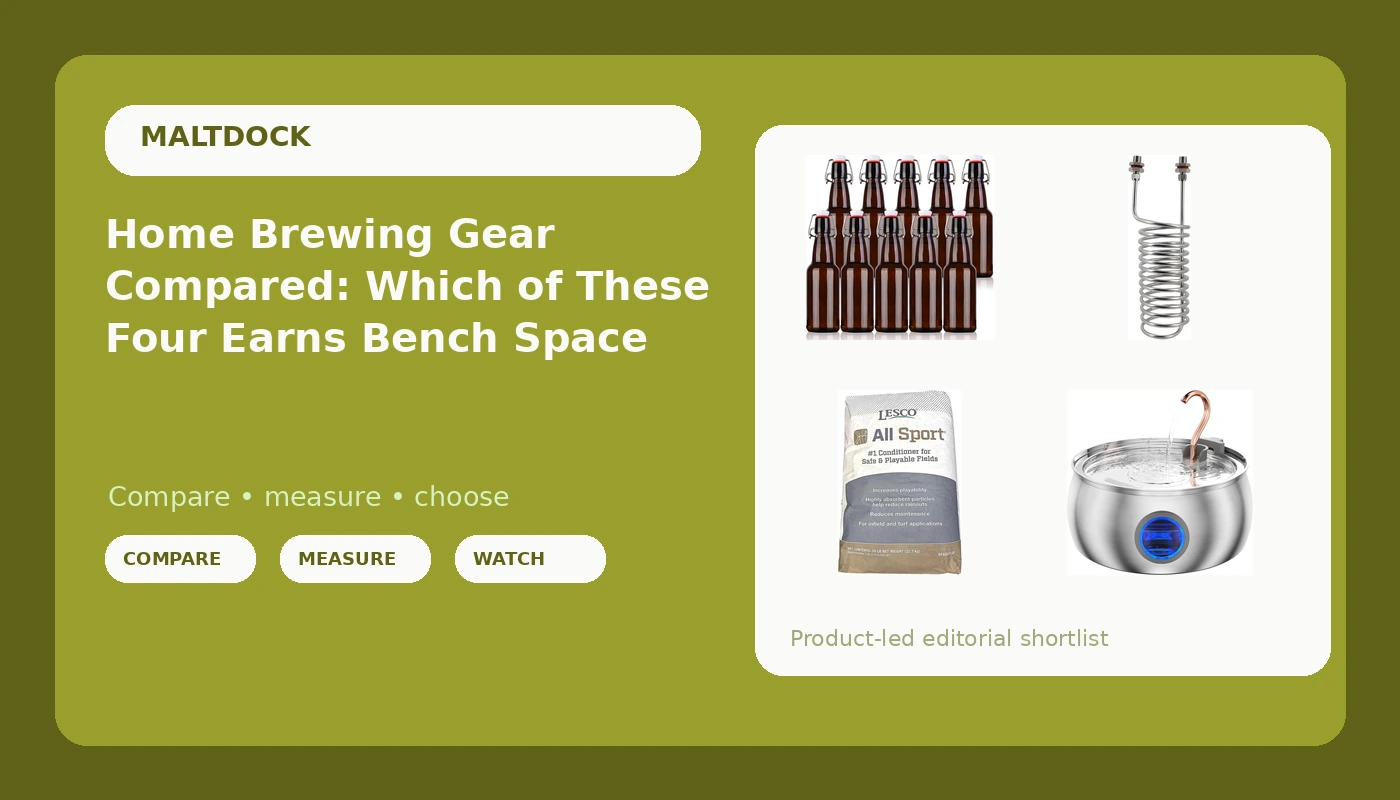
Amber Beer Bottles with Flip Caps, 12oz 10 Pack Glass Bottle with Swinging Top for Airtight Lids, Home Brewing and Fermentation Kombucha, Vanilla Extract, Beverage, Water, Kefir
No capper and no crown caps; a replaceable gasket instead of a dead bottle, and amber glass keeps light off the beer
Ten bottles is a fifth of what a five-gallon bottling day needs, and swing-top gaskets are the wear item
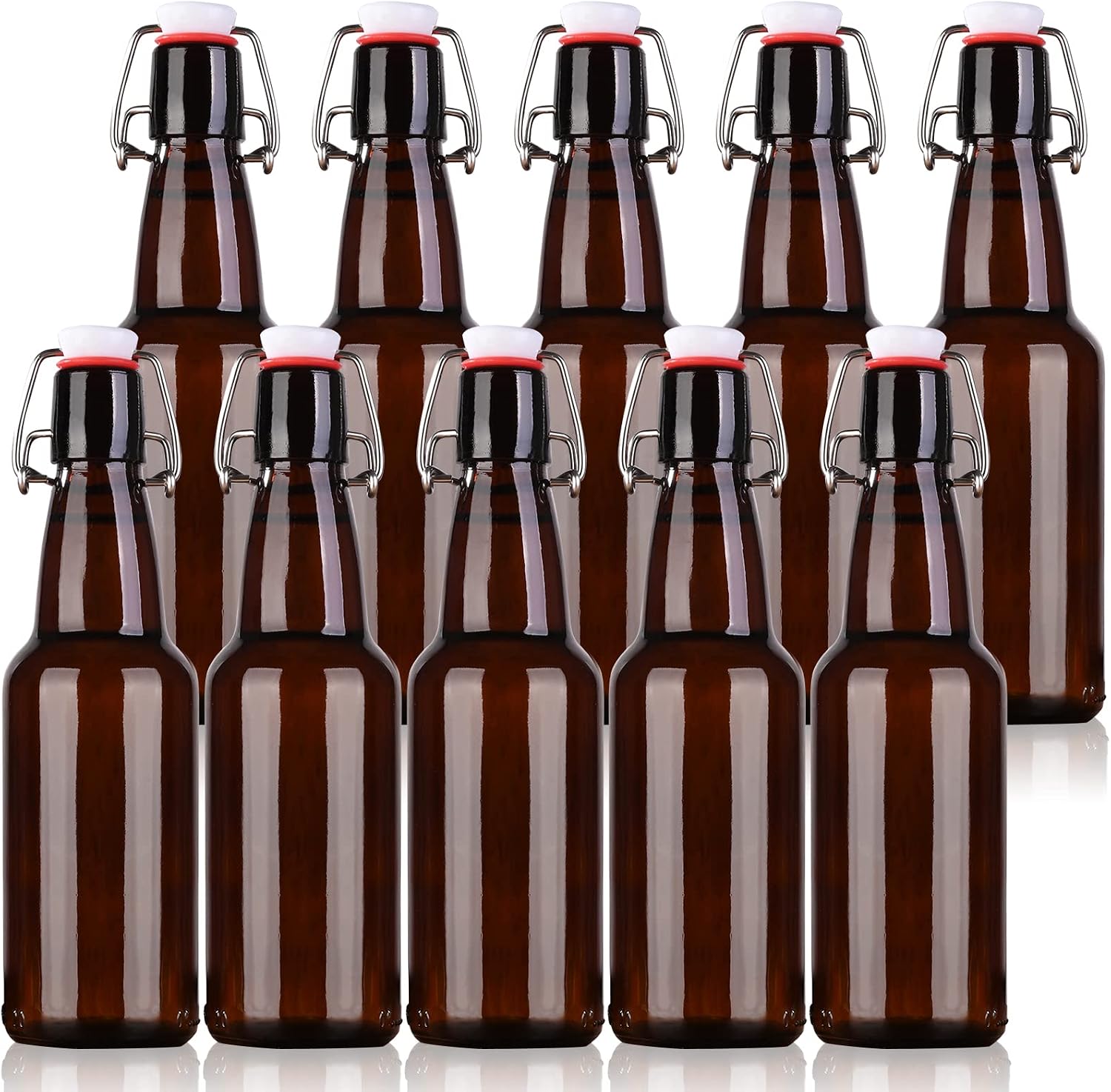
Premium 304 Stainless Steel Immersion Wort Chiller - 15ft Glycol Cooling/Heating Coil for Home
Type 304 stainless will not tarnish or pit the way copper can, and a coil beats an ice bath by a wide margin on a five-gallon batch
15 feet is the short end of the common coil range, so it wants constant movement in the kettle, plus a hose connection and a drain path
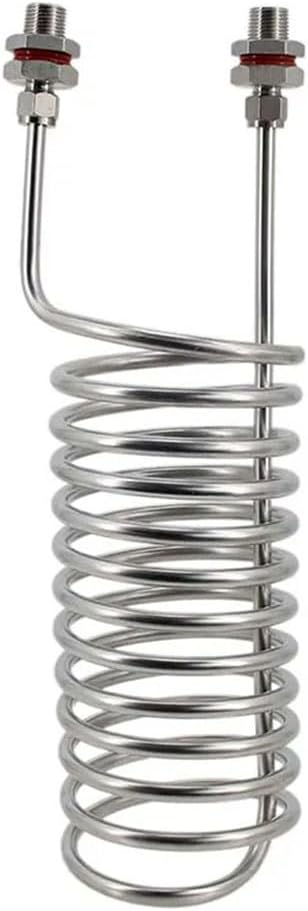
Lesco All Sport Field Conditioner - 50 lb (Compare to Turface MVP) - 50 Pound
Calcined clay drinks up spills and holds its structure through repeated wet and dry cycles; same material family as Turface MVP
It is not brewing equipment; fifty pounds is heavy, dusty when dry, and pointless if you do not have the problem it solves
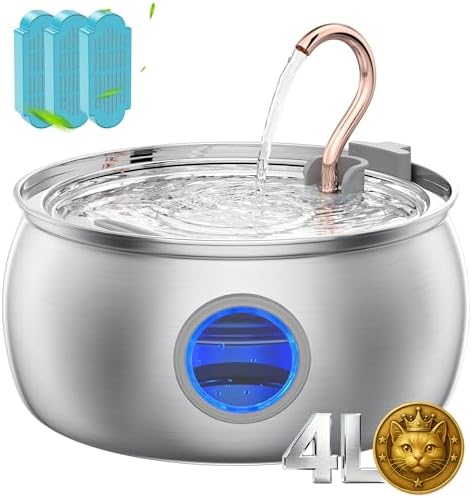
Cat Water Fountain Stainless Steel -135oz/4.0L Cat Fountain for Drinking
Stainless is the right material for water that sits for days, and it does not scratch into biofilm the way plastic does
This is for the cat, not the carboy; the pump adds a weekly teardown and it does nothing for a brew day
Prices and availability were captured from Amazon Creators API and may change.
How I judge gear for this list
The rule here has not changed since my first spiral notebook: nothing gets recommended until it has survived a full brew day without embarrassing itself. I spent three years as the assistant brewer at a 7-barrel brewpub in Grand Rapids, and the habit that stuck is the boring one. Measure everything, write it down, and trust the number you read at 60°F over the adjective on the box. Cheap gear that dies mid-batch has cost me three ruined brew days, and I am still sore about the $35 pump that quit in the middle of a sparge.
That is why this list is short, and why two of the four entries come with a condition attached instead of a rave. A chiller and a case of bottles touch the beer, so they have to be right. A bag of calcined clay and a pet fountain never touch the beer, so the only real question is whether you have the problem they solve. In the survivability score I keep for my 2026 rankings, which is a fancy name for how many full brew days something survives before it breaks, leaks, or foams over, the first two are the ones that matter. The other two are not on a brew stand at all, and I am not going to pretend otherwise.
Bottling: swing-top amber glass, ten at a time
If you bottle, you already know the two costs nobody mentions: caps and time. A swing-top bottle removes the first one. The wire bail and rubber gasket seal the bottle without a bench capper and without a bag of crown caps, and when the gasket finally hardens, you replace a gasket instead of retiring the bottle. That gasket is the entire mechanism, which means it is also the entire failure point. Keep spares on hand, and if a bottle stops holding carbonation, check the gasket before you blame the yeast.
The glass is amber, and that matters more than most people think. Lightstruck flavor, the skunky note you taste in a clear or green bottle, is a reaction between hop compounds and light. Brown glass blocks most of the wavelengths that cause it, and a cardboard box in a dark closet handles the rest. If you are bottle conditioning, where the yeast carbonates the beer inside the bottle, an airtight seal is the whole game.
The quantity math is what catches people. Twelve ounces is the standard single pour, and a five-gallon batch fills roughly fifty of them. This is a ten pack, so if you bottle whole batches, you are buying in multiples of five and you should plan for it. Ten bottles is a fine way to split a batch with a friend or test a packaging change. It is not a bottling day.
Washing is the tax. Rinse each bottle the moment it is empty and it takes thirty seconds. Let the yeast cake dry in the bottom for a week and it takes a brush, a soak, and some bad language.
Chilling: what 15 feet of 304 stainless actually buys you
An immersion chiller is the simplest piece of equipment in brewing. A coil of tubing goes into the kettle, cold water runs through the inside, and the wort gives up its heat to the water. How fast that happens depends on three things, and only one of them is the coil. The temperature gap between your tap water and the wort sets the ceiling. The surface area of the coil moves that ceiling up or down. And how much the wort moves past the coil decides whether you ever get close to the ceiling at all. That last part is free. Stir the wort or run a whirlpool, and a short coil will out-chill a long one sitting still.
Fifteen feet is on the short end of the common range, and I would rather say that plainly than dress it up. For five-gallon batches, longer coils exist and they chill faster, especially in summer when the tap water comes out warm. What fifteen feet buys you is a coil that fits a standard kettle without turning into a bird's nest, in stainless that will not tarnish, pit, or need polishing the way copper does. Type 304 is the food-grade standard, and it is the alloy I want in anything that enters the kettle after the boil, because that is exactly when the wort is most vulnerable and the coil has to be sanitized on the outside before it goes in.
Two practical notes before you order. You need a way to connect it to a hose and somewhere for the water to go; a bucket is not a bad answer, since that water is clean enough for cleanup later. And the listing describes this coil as usable for glycol cooling and heating loops as well, which is worth knowing if you are building a fermentation chamber or a jockey box, where the same coil shape does a completely different job.
Why chilling speed matters at all: every minute the wort sits between pitching temperature and roughly 140°F is a minute that wild yeast and bacteria enjoy, and it is also a minute that late hop aroma cooks off. A fast chill is the cheapest flavor insurance in the hobby.
The fifty pound bag that is not brewing gear
This one needs a straight answer up front. Calcined clay is not brewing equipment, and it should never go near wort, a fermenter, or a keg. It is a fired clay granule sold as a field conditioner for turf and ball diamonds, and it is the same family of material as Turface MVP, which is why it keeps surfacing in the same searches as brewing gear. It absorbs water and holds its structure through repeated wet and dry cycles, and that one property is why brewers end up buying it.
Where it earns a place in a garage brewery: spills. A boilover, a dropped hydrometer sample, a siphon hose that came apart at the wrong moment. Spread the granules, let them drink it up, sweep them out. The second job is moisture control. A damp basement corner, a fermentation chamber, or a keezer that rains every time you open the lid all stay drier with a tray of calcined clay sitting in them. Once the granules are saturated they go on the lawn, not in the trash, and the bag keeps working.
What to know before ordering: fifty pounds is heavy, and it is dusty when dry, so open it outside and store it in a bucket with a lid. Then be honest about whether you have the problem. If your brew space is dry and your floor is clean, this is fifty pounds of nothing, and no amount of cleverness turns it into a fermentation upgrade.
The cat fountain, and why it is in a brewing article
It is here for one reason: material. Stainless steel is the right choice for anything that holds water for days at a time, and the argument is the same one I use when I tell people to retire a scratched plastic fermenter. Plastic scratches. Scratches hold organic residue. Residue becomes biofilm, and biofilm is very hard to remove without scrubbing the surface into more scratches. Stainless does not scratch that easily, and it does not hang onto flavors or odors the way plastic does.
Beyond the material, this is a 135-ounce, roughly four-liter reservoir with a pump, which means fewer refills and one more thing in your life that wants a weekly teardown. Pumps collect slime. Filters, if the model uses one, need replacing. That is not a knock on this product specifically; it is the cost of any moving-water design, and it is the same reason I clean a keg line instead of hoping.
So here is the honest verdict. If you came to this page for brewing gear, skip this one. It will not chill wort, seal a bottle, or improve attenuation by a single point. If you have a cat that ignores its bowl and you want a stainless reservoir that is easier to keep clean than a plastic one, it is a reasonable household buy, and it should outlast the plastic version by a wide margin.
What the trade-offs actually look like
Sort any brewing cart with one question: does this touch the beer? The chiller and the bottles do, and that is where the money should go first. If you are still cooling five gallons in a sink full of ice, the chiller is the upgrade that changes every batch from here on, because it shortens the window when the wort is most exposed and gets you to pitching temperature while you still have energy left. If you bottle, the swing-top bottles remove a capper, a bag of caps, and the small misery of hunting for the one bottle that will not seal.
The other two are conditional purchases, and the condition is a real problem, not a someday problem. Damp floor, damp closet, spills you keep wiping up with paper towels: the calcined clay is cheap insurance and a fifty pound bag lasts. Dry garage, clean floor, no moisture issues: it is dead weight. Same logic for the fountain. A cat that drinks from the faucet is a problem this solves. A carboy that needs chilling is not.
There is one more pattern worth repeating, because it has held across every batch I have logged. Price predicts marketing, not quality. Some of the best gear on my stand cost less than a pizza night, and some of the worst cost four hundred dollars and now lives in a box labeled maybe sell. The strongest predictor of long-term value is day-one build quality. A coil with proper welds and a thick, honest gasket will still be working at batch 100. The stuff that needs babying at batch 10 is gone by batch 30.
What I would buy first
If I were starting from an ice bath and a bucket of crown caps, I would buy the chiller first and the bottles second, then stop and brew ten batches before buying anything else. That order is not about the money. It is about which purchases change what happens on brew day, and only two of these four do.
The clay and the fountain are fine products that solve household problems, and I would rather say that clearly than pad a list to four items and pretend they are all brewing gear. The next thing actually on my bench is a pressure fermenter, part of a longer project on whether these vessels genuinely shorten the pipeline from brew day to glass. That report will have numbers in it. This one has a cart, a garage floor, and a cat, and I will take the honest version every time.