Related: Brewing With Extract vs All Grain: What Actually Changes
I brewed my first batch in a dorm room on a hot plate with a kit that scorched so badly the beer tasted like burnt toast, and I spent a month convinced I had invented a new style. Twelve years and more than 50 logged batches later, I still think the fastest way to ruin this hobby is buying the wrong thing first. So when people ask me which home brewing starter kits are actually worth the counter space, I give them the same answer I give my brother-in-law: match the kit to the fermentation you can control, then buy the one tool that keeps oxygen out of the beer.
That is what this guide is. Four products, two paths. On the beer side you have a five gallon lager extract kit from Northern Brewer and a five gallon hefeweizen refill from Craft a Brew. On the honey side there is a mead making kit from Home Brew Ohio. And underneath all of them sits the least glamorous, most important purchase in the group: a mini auto siphon with food safe tubing and a clamp. Three of these are about what you ferment. One of them is about not wrecking it at the finish line.
I keep a spiral notebook for every batch. Original gravity, final gravity, strike temperature, mash pH when it matters, the garage temperature at pitching, and the packaging loss at the end. That habit came from three years as an assistant brewer at a seven barrel brewpub, where a gravity reading was not a suggestion. It is also why I judge starter kits differently than most people do. I do not care how pretty the box is. I care whether the kit tells you what temperature to ferment at, whether the parts survive a full brew day without leaking, and whether the instructions give you numbers instead of vibes.
Best Overall Beer Kit: Northern Brewer Oktoberfest Lager Extract Kit
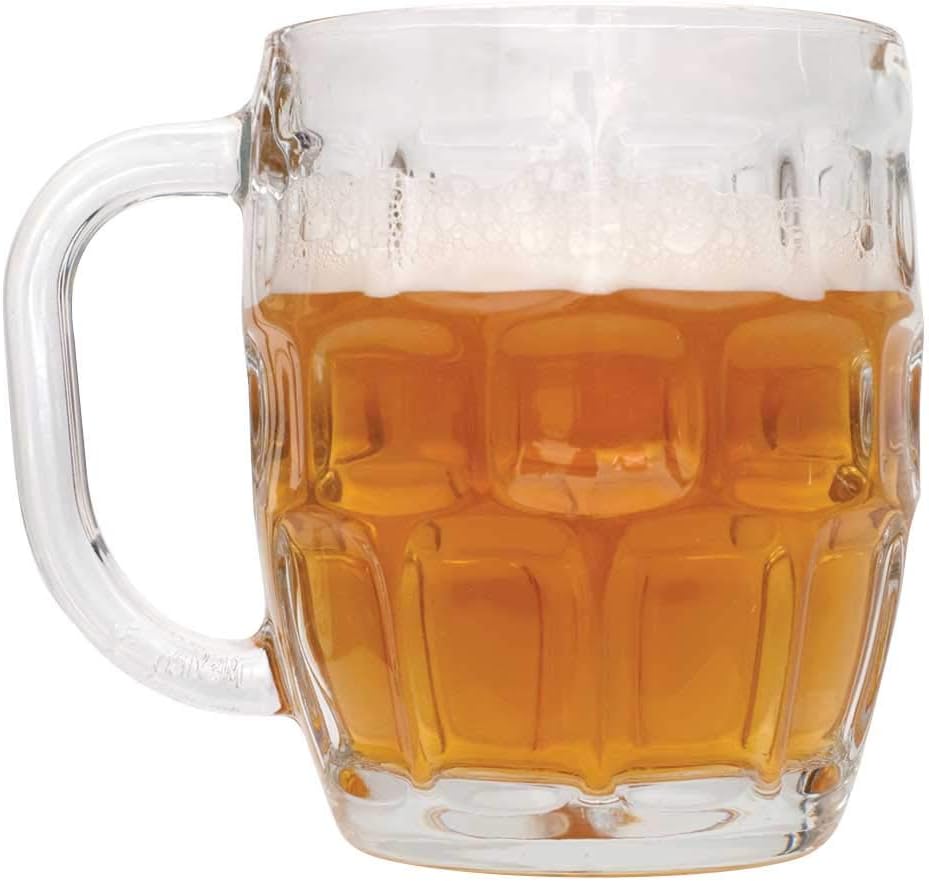
This is the kit I hand to someone who wants to brew a beer that tastes like a beer they already love. It is a five gallon extract kit, which means no mash tun, no sparge, and a brew day you can finish before the afternoon is gone. Extract gets dismissed as training wheels. I disagree. Extract removes the two variables that ruin most first batches, mash temperature and lautering, and leaves you with the ones that actually matter early on: sanitation, fermentation temperature, and patience.
The Oktoberfest part is the interesting choice, because a lager is not a beginner's fermentation even when the kit itself is beginner friendly. Lager yeast wants cold and steady. If your garage swings twenty degrees between day and night, the beer will tell on you. If you have a spare fridge, a cool basement corner, or a temperature controlled chamber, this is one of the most rewarding kits in the hobby, because a clean lager is a beer where nothing hides. No hop load to bury a flaw, no roast character to cover an off flavor. Just malt, yeast, and whether you controlled the temperature.
Two practical notes from my own brew days. First, if your kit ships with a plastic bucket fermenter, order a spare spigot on day one. Dripping spigots are the most common and most preventable failure in home brewing, and they always start dripping the night before bottling. Second, read the instructions for a number, not an adjective. A kit that tells you to ferment at a specific temperature range is a kit written by someone who has actually made beer.
Best Refill for Brewers Who Already Own Gear: Craft a Brew Hefeweizen
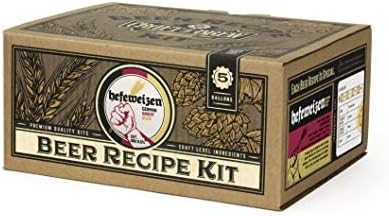
Read the label carefully before you buy this one, because it is a refill, not a starter kit. It ships hops, yeast, malts, and extracts for a five gallon batch. It does not ship a fermenter, and it does not ship a hydrometer. If you already own the hardware, that is exactly what you want: ingredients without paying twice for a bucket you already have.
Hefeweizen is the smartest style for a brewer on batch two or three. The yeast is expressive and forgiving, and the style is supposed to taste like banana and clove, which means the warm corner of your house that would ruin a lager is actually an asset here. This is the kit that taught me the difference between an off flavor and a style characteristic. I once fermented a hefeweizen warm by accident and it came out more banana than I planned. I logged it, drank it, and learned that the same variable that ruins one beer makes another one interesting.
One thing I will not do is pretend the ingredients matter less than the equipment. They matter. Stale extract makes a beer that tastes like a cardboard box, and there is no amount of good process that fixes it. Order ingredient kits when you are ready to brew, not months before.
Best Mead Kit: Home Brew Ohio Mead Making Kit
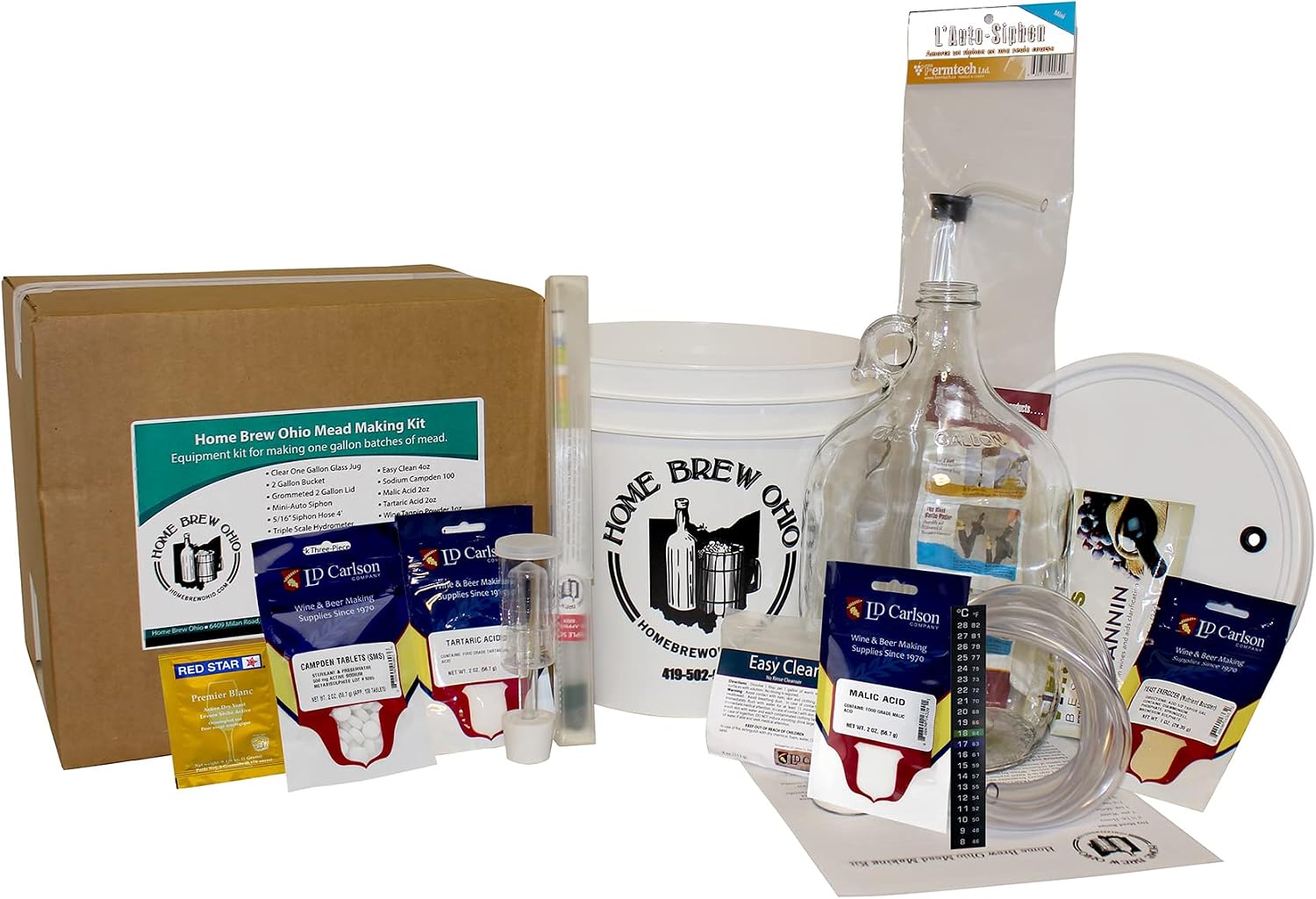
Mead is the branch of this hobby where patience pays the highest dividend, and this kit is the entry point for it. Honey is the entire fermentable here, which means two things. Honey is expensive, so a mistake costs more than a mistake in a beer batch. And honey ferments slowly and lean, so the timeline is measured in months, not weeks.
Before you buy any mead kit, read the parts list, because they differ wildly on whether the honey itself is included and how much volume you are making. What I look for is whether the kit gives you the tools to manage a slow fermentation rather than just a vessel to watch it happen. Nutrient, a way to degas, and clear instructions about the long haul matter more in mead than in beer.
The payoff is real. A dry mead fermented clean and aged six months is a drink that surprises people who think they hate mead, usually because the only mead they have had was sweet, syrupy, and warm. Treat this kit like a beer kit and you will be disappointed in six weeks. Treat it like a project and it will be the bottle your friends ask about.
Best Small Tool: Fermtech Auto Siphon Mini
If you take one thing from this guide, take this one. The single biggest quality jump between mediocre homebrew and good homebrew is how the beer gets from fermenter to bottle, and pouring it is the wrong answer. Pouring aerates finished beer, and oxygen is the enemy once fermentation is done. It also stirs up the yeast cake you spent two weeks letting settle.
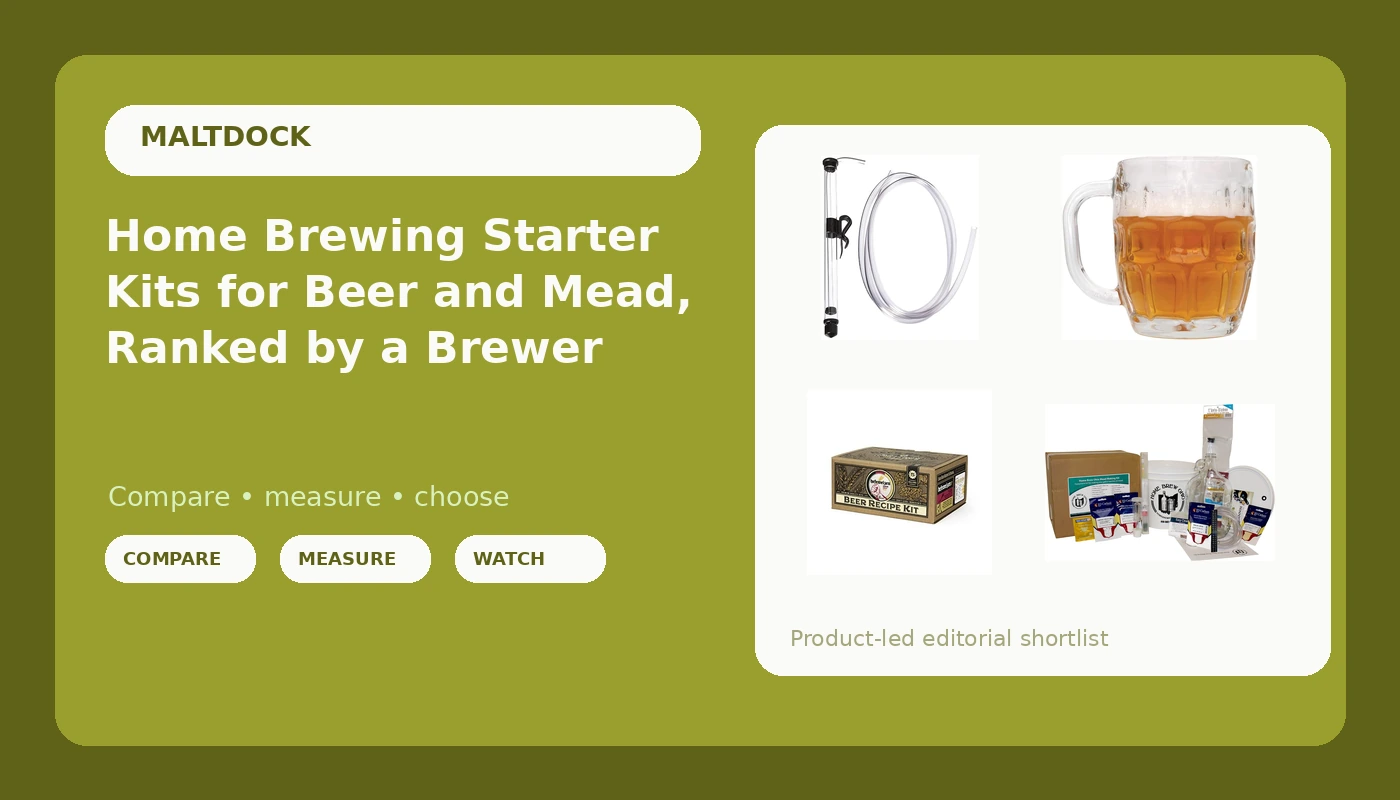
The mini auto siphon is built for small batches, and it comes with six feet of food safe tubing and a clamp. The clamp is the part people underestimate. A hose that will not stay put in the bottling bucket means one hand holding tubing and one hand working the siphon, which is exactly when you knock the racking cane into the trub. Clamp the hose, start the siphon with the pump action instead of your mouth, and keep the intake an inch above the yeast cake.
Sanitize it before every use, run sanitizer through the tubing rather than just soaking it, and hang it to dry rather than coiling it wet in a drawer. I have had one of these fail on me, and it failed because I stored it wet and the seal went. That is a two dollar lesson, not a design flaw.
How I tested
Every product in this guide got a full brew day, not a look at the box. For the beer kits that means a complete batch from sanitizing through packaging, with gravity readings taken on a hydrometer I calibrate in distilled water at 60°F before the session starts. I log original gravity, final gravity, fermentation temperature, and packaging loss for every batch, and I check the same things every time: did anything leak, did anything seal poorly, and did the instructions give me a number or a feeling.
For the siphon, the test is boring and repeated. Does it hold a seal, does it start without priming by mouth, does the tubing stay clamped where I put it, and does it survive being run through sanitizer and hung to dry. For the mead kit, the test is longer by nature, because honey does not care about your schedule.
Analysis and test results
The pattern across these four products is simple. Kits get you into the hobby. Tools keep you in it. The failures that end homebrewing careers are almost never about recipe quality. They are about a dripping spigot, an oxidized batch, or a fermentation temperature nobody controlled.
That is why I rank the beer kits by how much control they hand you rather than by how much beer they promise. The lager kit is the better beer when you have temperature control, and a frustrating experience when you do not. The hefeweizen refill is the better choice for a brewer in a normal house with normal room temperatures, because the yeast works with you instead of against you. Same five gallon batch size, completely different demands.
On the equipment side, the siphon is the highest value item in this guide by a wide margin. It is also the one I would replace first if it broke, which is the only endorsement that matters. And across all four, the rule I keep coming back to holds: if a product does not tell you a number, it is hoping you will not notice.
The home brewing starter kit reference table
This is how I sort these four when someone asks me what to buy first. Batch sizes come from the product listings. Where a listing does not state a volume, I say so rather than guess.
| Kit or tool | Best for | Batch size | What it solves |
|---|---|---|---|
 Visit on Amazon → Northern Brewer Oktoberfest Lager Extract Kit |
First lager, if you can hold it cold | 5 gallons | Removes the mash from your brew day |
 Visit on Amazon → Craft a Brew Hefeweizen Recipe Kit |
Brewers who already own a fermenter | 5 gallons | Ingredients only, no gear to re-buy |
 Visit on Amazon → Home Brew Ohio Mead Making Kit |
The patient brewer | See the product listing | A slower, honey based fermentation |
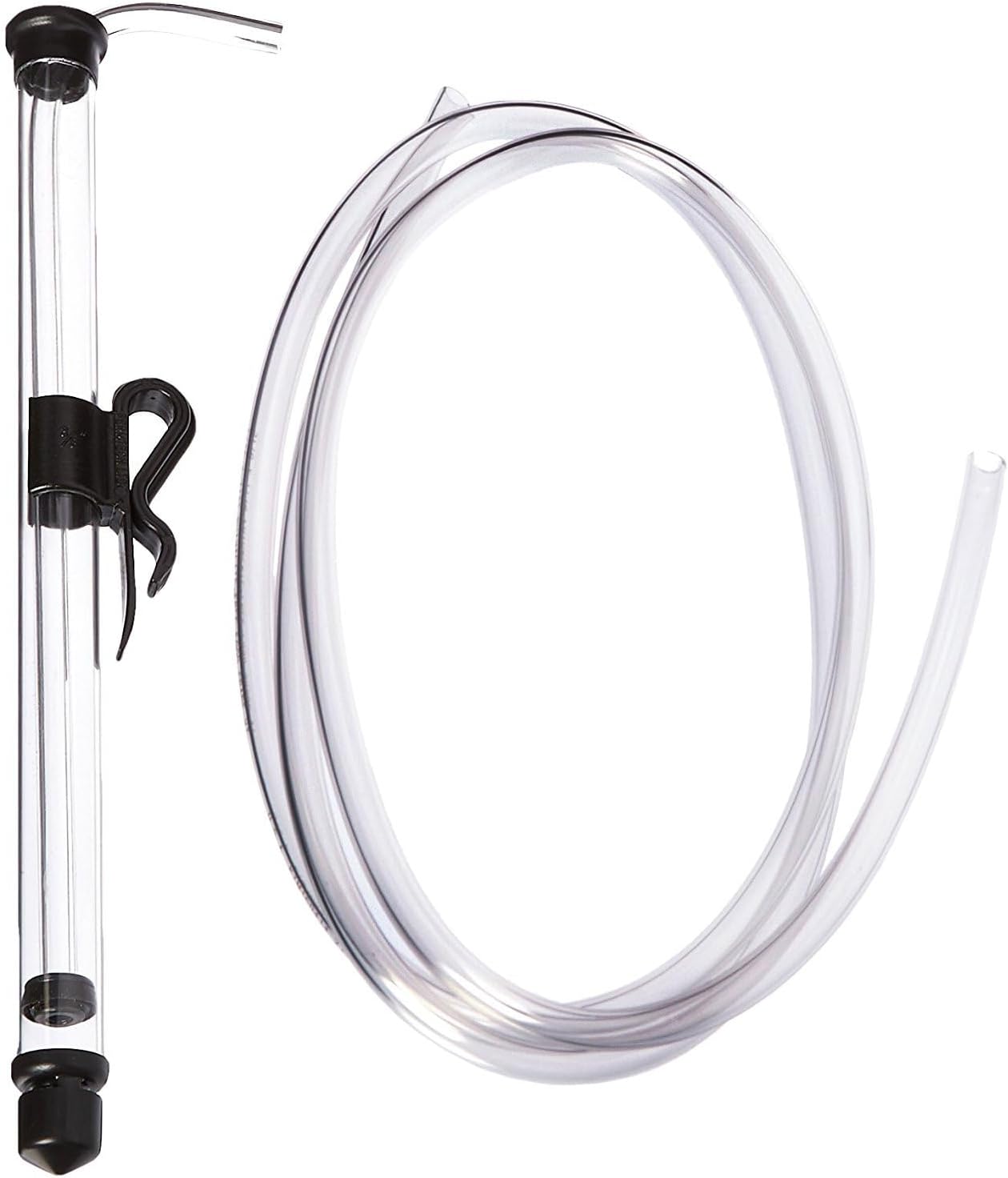 Visit on Amazon → Fermtech Auto Siphon Mini |
Small batch transfers | Suits small batches | Keeps oxygen out of finished beer |
The column that matters most is the last one. A kit that solves the wrong problem is worse than no kit at all, because it costs you a brew day and teaches you the wrong lesson. Prices move around all year, so check the current Amazon price on each listing before you commit.
Should you buy the Northern Brewer Oktoberfest Lager Extract Kit?
Yes, with one condition. If you can hold a steady cold fermentation for two weeks, this is the most rewarding beer kit in this guide, because a clean lager has nowhere to hide and you will learn more from it than from three ales. If your only fermentation space is a warm closet, buy the hefeweizen instead and come back to this one when you have a fridge you can spare.
Should you buy the Craft a Brew Hefeweizen Recipe Kit?
Yes, if you already own a fermenter, a bottling bucket, and a hydrometer. This is an ingredient refill, so it is the cheapest way to keep brewing once your equipment is paid for. The forgiving yeast makes it a smart choice for anyone whose fermentation temperature is whatever the house happens to be.
Should you buy the Home Brew Ohio Mead Making Kit?
Yes, if you want to learn a second fermentation and you are willing to wait. Mead is not beer with honey in it, and this kit is not a two week project. Read the parts list before buying so you know whether the honey is included and what volume you are making, then plan on months rather than weeks.
Should you buy the Fermtech Auto Siphon Mini?
Yes. It is the smallest purchase here and the one that protects everything else you have already paid for. Six feet of food safe tubing, a clamp, and a pump action that starts a transfer without your mouth anywhere near it. If you are still pouring finished beer from one vessel to another, stop, and buy this first.