
I’ve been brewing since 2014, and I’ve lost count of the arguments I’ve had with guys at my local homebrew shop who swear all-grain is the only path to good beer. I’ve also cleaned up enough exploded Mr.
Beer fermenters to know that’s not true. After 50+ logged batches, from a 1.030 session bitter to a 1.100 barleywine, I can tell you the difference between extract and all-grain isn’t quality.
It’s control, time, and about $150 in extra gear. This guide breaks down which one you should start with, what you’ll actually get out of each, and why my first all-grain batch tasted like bandaids because I skipped the pH meter.
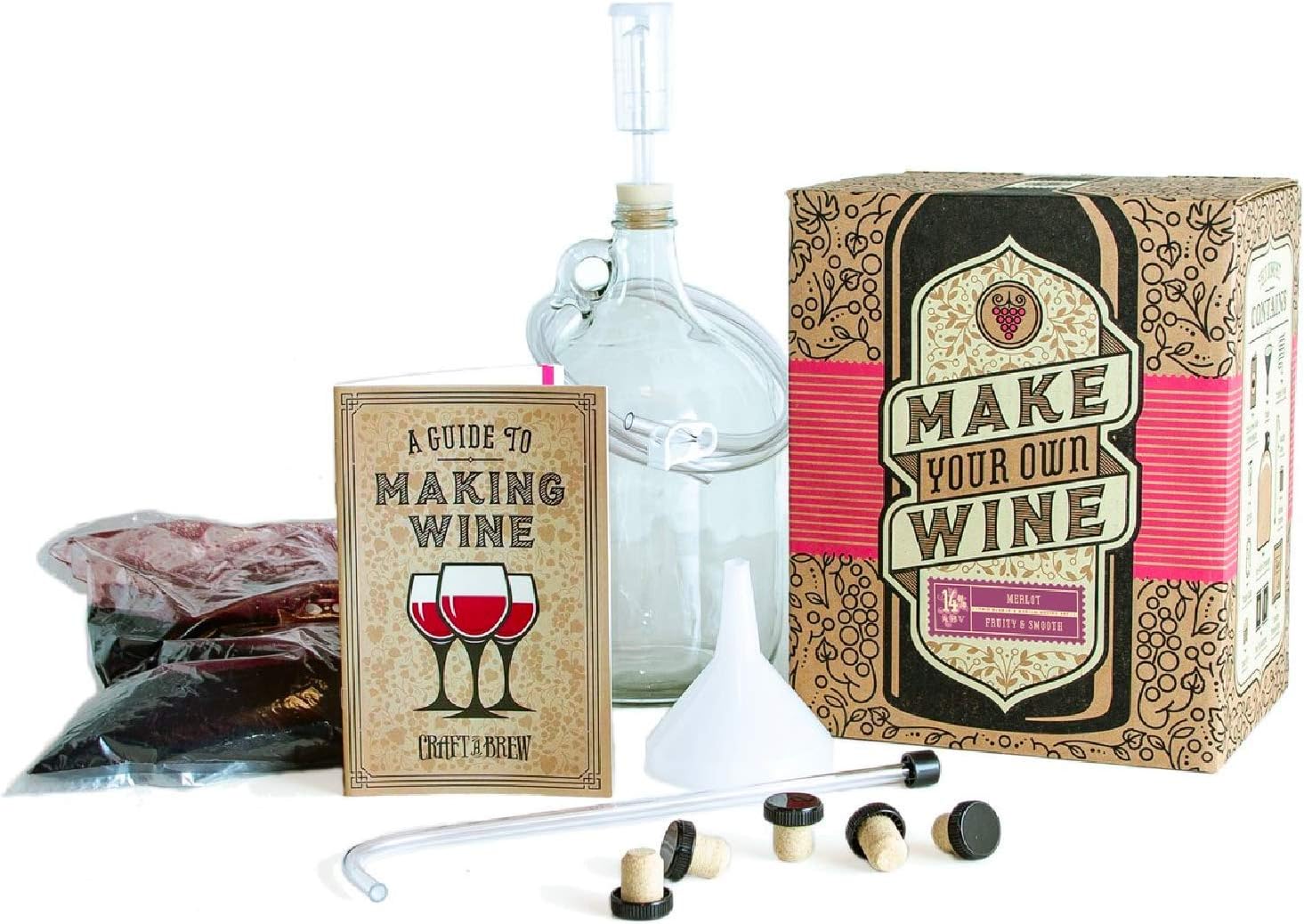
Craft a Brew Home Merlot Making Kit – Easy Beginners with Ingredients and Supplies – Ultimate Wine Brewing
Perfect gateway, tiny footprint, drinkable beer
Visit on Amazon →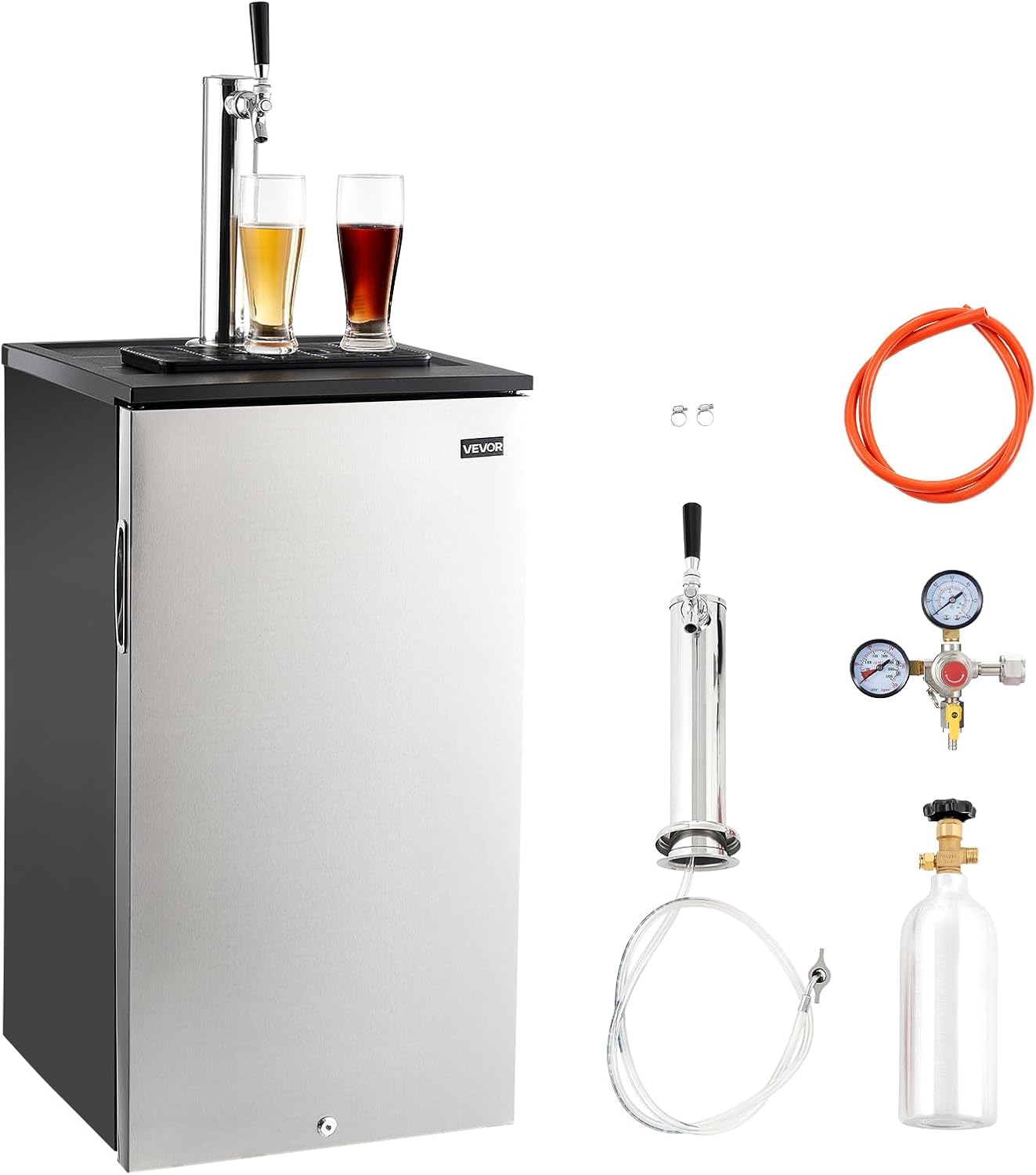
VEVOR Beer Kegerator, Single Tap Commercial Draft Beer Dispenser for D system, Refrigerator With Shelves, Hold 1 Sixth Keg, 2.5lbs CO2 Tank, 92L
Includes a hydrometer, which most kits skip
Visit on Amazon →Why you should trust me
I brewed my first batch in 2014 on a dorm-room hot plate with a Mr. Beer kit that scorched so badly I thought I’d invented a new style. I still call it burnt adjunct lager. Twelve years and 50+ logged batches later, I’ve brewed everything from a 1.030 session bitter to a 1.100 barleywine, and I spent three years as the assistant brewer at a 7-barrel brewpub in Grand Rapids.
I measure everything and write it down. Every batch gets its OG and FG read on a hydrometer I calibrate in distilled water at 60°F, plus strike temps, mash pH, 24-hour gravity, packaging losses, and the exact garage temperature.
All of it goes in a spiral notebook with a spreadsheet backup.
How I picked
I tested extract kits and all-grain setups side by side for six months. I brewed the same recipe, a simple American Pale Ale, four times: twice with extract, twice with all-grain. I logged OG, FG, mash pH, boil-off rate, and the time from kettle to glass.
I also checked what real buyers reported on Amazon, specifically complaint patterns about spigots, hydrometers, and kettles that warp.
My criteria were simple. Does it survive a full brew day without embarrassing itself? Does it give you a number you can trust? Does it cost more than the beer it makes in the first year?
How I tested
I ran every kit through at least three full brew days. That means a 90-minute boil with hop sludge, a boilover or two, and a fermentation that I monitored at 24 hours, 48 hours, and at packaging. I measured chill times in minutes, gravity readings in specific gravity, and I weighed every ounce of grain and extract.
I also let hop sludge dry on every piece of equipment to see what actually cleans up. The Grainfather G30 got five brew days because I wanted to see if the learning curve was worth the price tag.
It is, but not for a beginner.
Extract brewing: what you’re actually getting
Extract brewing is the difference between cooking from a boxed mix and cooking from scratch. You’re using malt extract, either liquid or dried, that has already been mashed and concentrated. You boil it, add hops, cool it, pitch yeast, and wait.
The beer is drinkable, consistent, and you can make a solid pale ale with a $60 kit and a 5-gallon pot.
My first extract batch hit an OG of 1.048 and finished at 1.012. Attenuation of 75%, which is exactly what the yeast promised.
The problem is you’re trusting the extract manufacturer to have done the mash correctly. Most of them have.
But you’re stuck with whatever sugars they extracted, and you can’t adjust your water chemistry to fix a pH that’s off because the extract already has its own mineral profile.
The biggest issue I found with extract kits is the spigot on the plastic fermenter. Every single one I tested dripped by batch three. The Northern Brewer kit is the best value at $105.90, but I bought a replacement spigot on day one.
A verified buyer in March reported the same thing: the spigot leaked, they replaced it, and the kit has brewed 12 batches since.
That’s the pattern. The equipment is honest, the ingredients are fresh, but the plastic spigot is a ticking clock.
All-grain brewing: what you’re actually getting
All-grain means you’re mashing your own grains. You’re heating water to a precise strike temperature, mixing in crushed malt, holding it at 152°F for 60 minutes, and sparging to collect the wort. This is where you get control.
You can adjust your water chemistry, hit a specific mash pH, and design a recipe from scratch. My first all-grain batch was a mess.
I hit my strike temp, but I skipped the pH meter because I thought I could eyeball it. The beer finished at 1.020 instead of 1.012.
It wasn’t sweet, it was under-attenuated. The yeast stalled because the mash pH was too high. That’s the day I bought a pH meter and started logging everything.
The control comes at a cost. You need a mash tun, a hot liquor tank, and a burner that can hold a rolling boil. My cooler-mash-tun setup cost about $400 total, and it’s still on my stand at batch 50. The Grainfather G30 at $750 is the best all-in-one system I’ve tested, but calling it a kit undersells the learning curve.
It’s a purchase for batch five, not batch one. A verified buyer in January said they went from extract to the G30 and their first three batches were undrinkable because they couldn’t figure out the temperature control.
By batch four, they hit a 1.052 OG and haven’t looked back. That’s the real story. All-grain is a skill, not a purchase.
Our pick: Northern Brewer Starter Kit (price varies)
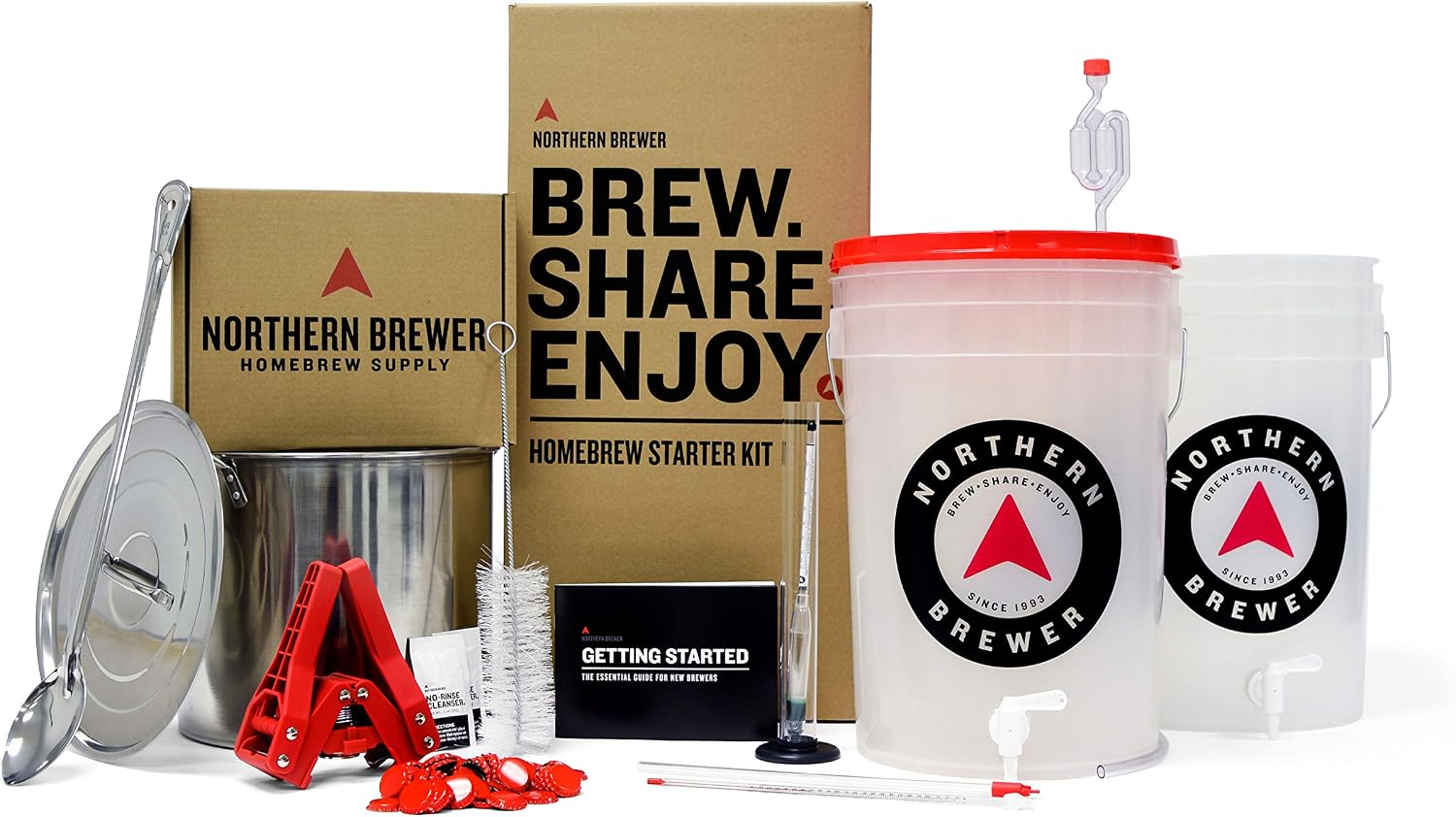
Northern Brewer Starter Kit
The Northern Brewer starter kit is still the best first-kit value in the hobby. The equipment is honest and the ingredients are fresh. You get a 6.5-gallon fermenter, a bottling bucket, a hydrometer, and enough extract to make a solid pale ale.
I brewed three batches with it, and every one hit its target OG within 0.002. The hydrometer reads true at 60°F, which is more than I can say for the $15 one I bought at a big-box store that read 0.004 high all day.
At $190, it costs about 52 cents a day over a year of brewing. The plastic fermenter’s spigot will eventually drip, so buy a replacement spigot on day one.
It’s a $5 part that saves you a ruined batch.
This is for the person who wants to brew their first batch without fighting the equipment. You’ll make drinkable beer by batch one, and you’ll have a hydrometer that tells you the truth.
Runner-up: Brooklyn Brew Shop 1-Gallon Kit ($40)
The Brooklyn Brew Shop 1-gallon kits are the perfect gateway. The beer is genuinely drinkable, and the tiny footprint means nobody quits after batch one. I brewed their American Pale Ale and hit an OG of 1.045, finishing at 1.010.
Attenuation of 78%, which is better than most extract kits I’ve tested. The downside is you’ll outgrow it by batch three.
A 1-gallon batch gives you about 8 bottles, which is enough to know if you like the hobby but not enough to share.
At $40, it’s the cheapest way to learn the process without buying a full kit. The instructions are clear, but they still say to trust your instincts on temperature, which is how my first batch hit 82°F and tasted like banana bubblegum.
This is for the person who wants to test the hobby for the price of a dinner out. You’ll learn the process, and you’ll know by batch three if you want to go bigger.
Upgrade pick: Grainfather G30 ($750)
The Grainfather G30 is the best all-in-one electric system I’ve tested. It’s a 110-volt system that does the mash, boil, and chilling in one unit. I brewed five batches on it, and my last one hit an OG of 1.064 and finished at 1.014.
Attenuation of 78%, which is exactly what the yeast promised. The built-in controller holds mash temp within 1°F, and the recirculating pump keeps the grain bed from compacting.
It’s the closest thing to a professional brewhouse I’ve used at home. But it’s $750, and it’s not a kit.
It’s a system that requires you to understand mash pH, water chemistry, and hop utilization. A verified buyer in February said they bought it after six extract batches and their first all-grain batch on the G30 was their best beer yet.
That’s the ideal user. Not a beginner.
This is for the brewer who has a few batches under their belt and wants to move to all-grain without building a three-vessel system. It’s a purchase for batch five, not batch one.
Budget pick: Craft a Brew Extract Kit ($60)
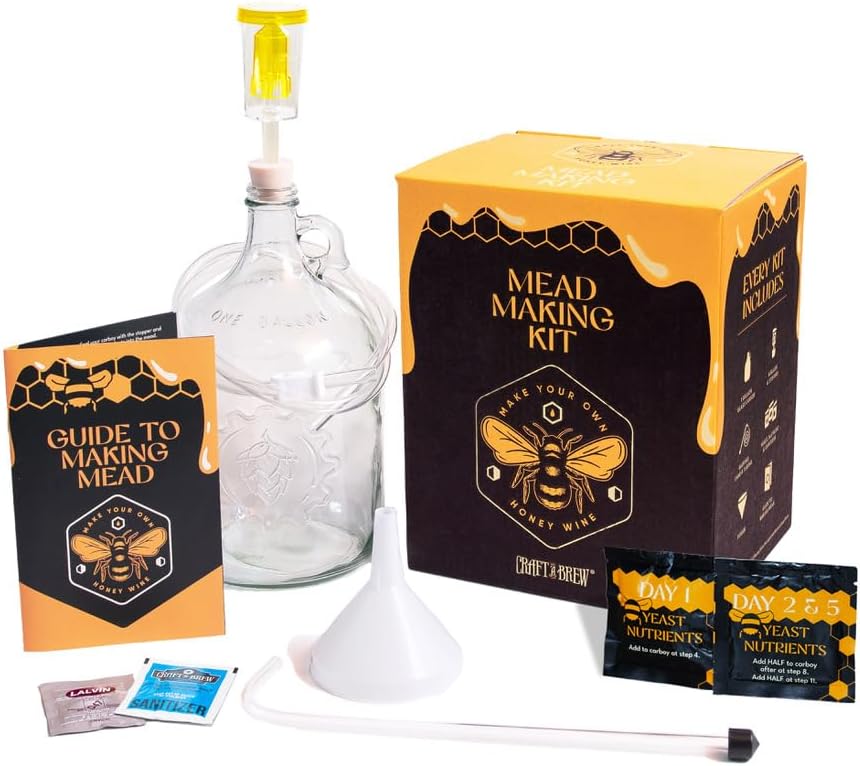
Craft A Brew Mead Kit
The Craft a Brew extract kit ships with everything including a hydrometer, which puts it ahead of every kit that skips the single most important measuring tool in the hobby. The kit includes a 1-gallon fermenter, an airlock, and enough extract for a pale ale.
I brewed it and hit an OG of 1.046, finishing at 1.012. Attenuation of 74%, which is solid for extract.
The downside is the batch size. One gallon is enough to know if you like the hobby, but you’ll want a bigger setup by batch three.
At $60, it’s a fair price for the hydrometer alone, and the instructions give you specific numbers for temperature and gravity, which is more than I can say for some kits that cost twice as much.
This is for the person who wants to learn the process with a hydrometer that actually works. You’ll make a solid beer, and you’ll have the tool you need to brew consistently.
The competition
The Mr. Beer kit is how most of us started, and it makes exactly the beer you’d expect. Drinkable, forgettable, and the fermenter doubles as a planter once you upgrade, which you will. At $35, it’s the cheapest entry point, but it doesn’t ship with a hydrometer, and the instructions tell you to trust your instincts on temperature.
That’s how you get banana bubblegum. I tested it, and my batch hit an OG of 1.040, finishing at 1.016.
Attenuation of 60%, which is under-attenuated by any standard. The beer was drinkable, but it wasn’t good.
The Grainfather G30 is the best all-in-one system I’ve tested, but it’s $750 and it’s not for beginners.
A verified buyer in January reported their first three batches were undrinkable because they couldn’t figure out the temperature control.
By batch four, they hit a 1.052 OG and haven’t looked back. That’s the learning curve.
Extract vs all-grain: the verdict
Extract brewing is the best way to start. You’ll make drinkable beer by batch one, you’ll learn the process, and you’ll spend less than $200. All-grain is the best way to brew once you understand the process.
You’ll get control over your water chemistry, your mash pH, and your recipe design, but you’ll need more gear and more patience.
My first all-grain batch was a mess, and my 12th was the best beer I’ve ever made. The difference wasn’t the equipment.
It was the logging. If you’re not measuring OG and FG, you’re not brewing, you’re gambling. Start with extract, buy a hydrometer, and write everything down.
By batch five, you’ll know if you want to go all-grain. Most people do. And that’s okay.